The real problem with condom sensation loss
Let's be honest: condoms muffle things. Latex or polyurethane creates a physical barrier between nerve endings and direct touch. For people with vulvas, that barrier often means the clitoris receives less precise stimulation, orgasms take longer to build, and intensity can feel flattened. That's not a moral failing of condoms. It's physics.
For some people, that loss is minor. For others, it's the difference between a strong orgasm and barely getting there at all. And here's the thing nobody talks about: you don't have to choose between safety and sensation. Lemon clitoral vibrators, which use air-pulse suction technology, actually work better through that barrier than fingers or friction alone.
Why condoms dampen sensation (and why it matters)
The clitoris has about 8,000 nerve endings concentrated in the glans. Condoms distance those nerves from stimulation by creating a cushioned layer. When you're using a lemon vibrator without a condom, suction pulls tissue directly into a sealed chamber. With a condom, that suction still works, but it operates through latex or polyurethane instead of against bare skin.
The result: clitoral vibrators that rely on direct friction often feel noticeably less intense when a condom's involved. But lemon vibrators, which work through air-pulse suction, maintain surprisingly strong sensation. Why? Because suction is a pressure mechanism, and pressure travels through barriers more reliably than friction does.
Women report that lemon clitoral vibrators often feel only slightly less intense with a condom than without one. Compare that to hands or traditional vibrators, where sensation can drop by 30-50%.
How clitoral suction differs from friction-based toys
Most vibrators work through oscillation or rotation. They rely on the toy itself making direct contact with tissue to create stimulation. Put a condom between the toy and the skin, and you've muffled that movement substantially.
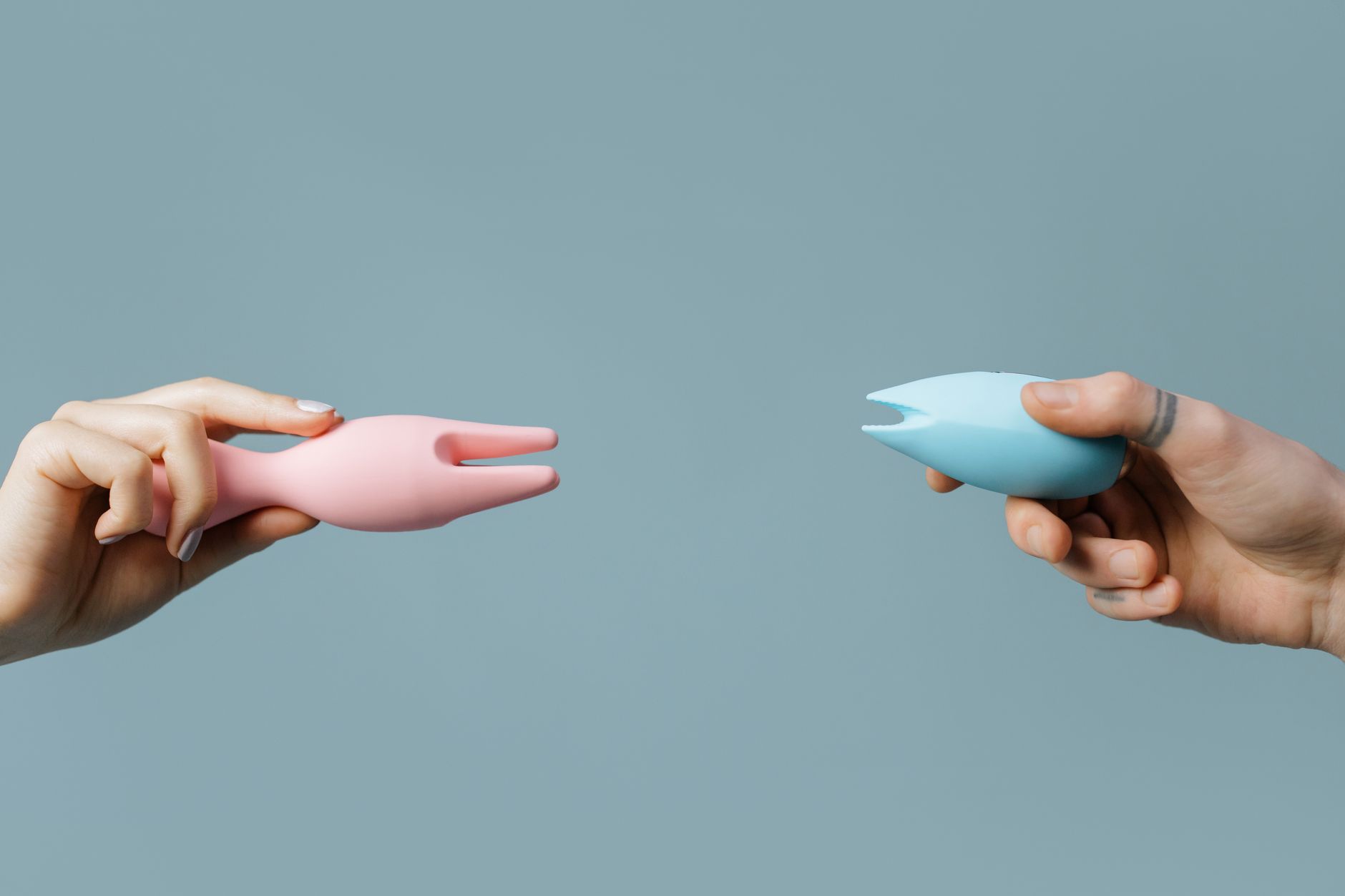
Lemon vibrators use air-pulse technology. Instead of the toy vibrating against tissue, the lemon creates a sealed chamber around the clitoris and pulses air in and out of that chamber. That pulsing creates suction and release cycles. The mechanism doesn't need direct toy-to-skin contact to work well. It needs proximity and a seal.
When a condom is involved, the seal shifts slightly. But the suction still reaches the tissue underneath. Think of it like the difference between slapping a ball (friction) versus creating an air current around it (suction). One gets blocked more easily than the other.
What to expect the first time
Honestly? You might need to adjust your approach. The sensations are still there, but they read differently through latex.
Start with the lemon on lower settings. Patterns 1 or 2, depending on the device. The condom absorbs some of the intensity, so what feels gentle without one might feel right with one. You'll want to build up gradually, the way you would if you were discovering lemon vibrators for the first time.
Communication matters here too, especially with a partner. If you're both involved, let them know what you're exploring and why. Some people feel weird about vibrators during partnered sex with condoms. Talk about it directly. Clitoral stimulation during intercourse or manual contact isn't a commentary on their ability to satisfy you. It's you taking charge of your own pleasure, which is exactly what you deserve.
The lubrication factor
This is where things get interesting. Condoms already have lubricant built in. Most lemon vibrators work best with additional lubrication to create a good seal. So you've got two options:
Option 1: Use the condom's lube. Some condoms have enough silicone or water-based lube that you don't need to add anything. Test it. If the seal feels weak or the suction feels thin, move to option 2.
Option 2: Add a bit more lube. Water-based lube works beautifully with condoms and lemon vibrators. Don't go overboard. You want enough to help the seal stay snug, not so much that it breaks the seal entirely. A small amount around the opening of the lemon's chamber is all you need.
Silicone-based lubricants can degrade condoms, so stick with water-based options. This applies whether you're using condoms alone or pairing them with clitoral suction toys.
When sensation loss is actually normal
Some intensity loss with condoms is just how it works. If you go from feeling 100% pleasure without one to 75-85% with one, that's typical. Some people report nearly no drop-off, especially with lemon vibrators. Others notice it more. Neither is wrong.
What matters is whether you're still reaching orgasm and still enjoying the experience. If you are, that's the win. If you're not, the issue might not be the condom at all. Anxiety during partnered sex can numb sensation. So can feeling rushed, or not being fully aroused before stimulation begins.
Take 15-20 minutes for foreplay. Let your body warm up fully. Then introduce the lemon clitoral vibrator. Most people find sensation comes roaring back when arousal is genuinely there.
Barrier method alternatives and sensation
If condoms consistently feel like too much sensation loss, there are other approaches to explore with a partner:
Internal barrier methods like diaphragms or cervical caps don't block clitoral access, so sensation during external stimulation stays the same. Hormonal contraception eliminates the need for barrier methods entirely, if that's an option for your body. IUDs offer long-term protection without barrier contact. None of these are right for everyone, but they're worth discussing if condom sensation loss is genuinely disrupting your pleasure.
That said, condoms aren't going anywhere for many people. If you're using them for STI prevention with casual partners, or if you and your partner choose them for extra safety, lemon clitoral vibrators give you a real tool to maintain pleasure alongside protection.
The pleasure-and-safety conversation
Here's what I see in my practice: people often frame condoms as a trade-off. Safety or sensation. One or the other. That's a false binary.
You can have both. Lemon vibrators prove it. They let you use condoms without sacrificing intensity. That's not a compromise. That's just good planning.
If you're partnered, this is worth discussing beforehand. "I want to use a lemon vibrator with condoms. Here's why." Most partners are genuinely glad when their person takes ownership of their pleasure this way. It communicates that you know what you want and you're not waiting around hoping it happens by accident.
If this is for solo exploration, the freedom is already yours. Test things. See what works. A lemon clitoral vibrator with a condom might feel perfect, or you might find you prefer without. Either way, you're getting real data instead of guessing.
Troubleshooting weak sensation
If you're using a lemon vibrator with a condom and the sensation feels underwhelming, check these things first:
Is the seal tight? The lemon needs good contact around the opening to create suction. If you're holding it loosely or at an angle, sensation drops. Press it firmly and evenly.
Are you fully aroused? The clitoris swells when you're aroused. That swelling helps the seal. If you're rushing into things, go slower. More foreplay first.
Is the lube helping or hurting? Too much lubricant breaks the seal. Too little and friction builds uncomfortably. Start minimal and adjust from there.
Is the condom the problem? Some condoms are thicker than others. Thinner varieties let more sensation through. If you've got a choice, ultra-thin condoms work better for this purpose.
Does the pattern matter? Yes. Patterns matter more with condoms than without. Some lemon vibrators offer 8-10 different pulse rhythms. Higher numbers and faster pulsing can compensate for some sensation loss. Experiment.
FAQ
Do lemon vibrators work through all condom types?
Most, yes. Latex, polyurethane, and nitrile condoms all allow suction to function, though sensation varies slightly by thickness. Thinner condoms transmit suction more effectively. Lambskin condoms are porous and not recommended for STI prevention anyway. Stick with latex or synthetic barriers for protection.
Can I use a lemon vibrator on a partner who's wearing a condom during penetrative sex?
Absolutely. External clitoral stimulation with a lemon vibrator during partnered sex doesn't interfere with condom function. Make sure the condom stays in place, and you're adding pleasure without adding risk.
Does water-based lube interact badly with lemon vibrators?
No. Water-based lube is ideal. It's condom-safe and won't degrade silicone toys. Silicone-based lube can damage condoms, so avoid it in this context.
How long does sensation with a condom take to feel normal?
Usually one or two experiences. Your brain and body adjust pretty quickly. After the first time, most people stop thinking about the condom and just focus on the sensation.
Is the sensation loss permanent or does it improve over time?
Neither. It's the same each time a condom is involved. But your body's sensitivity can improve overall through consistent use of lemon clitoral vibrators. Regular use sometimes restores sensation that was previously dulled. So what feels flat now might feel richer in a few weeks or months.
Should I try a lemon vibrator solo first to figure out my preferences?
Yes. Absolutely. Solo exploration tells you exactly what settings and rhythms work for your body. Then when you introduce a condom or a partner, you've already got a baseline. That knowledge makes the transition smoother.
The bottom line
Condoms and sensation don't have to be enemies. Lemon clitoral vibrators, with their air-pulse suction technology, handle barriers better than most alternatives. You get safety and pleasure. Both. Not as a consolation prize, but as the real thing.
If condom sensation loss has been bothering you, try a lemon vibrator next time. See what happens. Most people find the experience is closer to their ideal than they expected. And if you need support navigating pleasure conversations with a partner, that's what I'm here for. Reach out anytime.