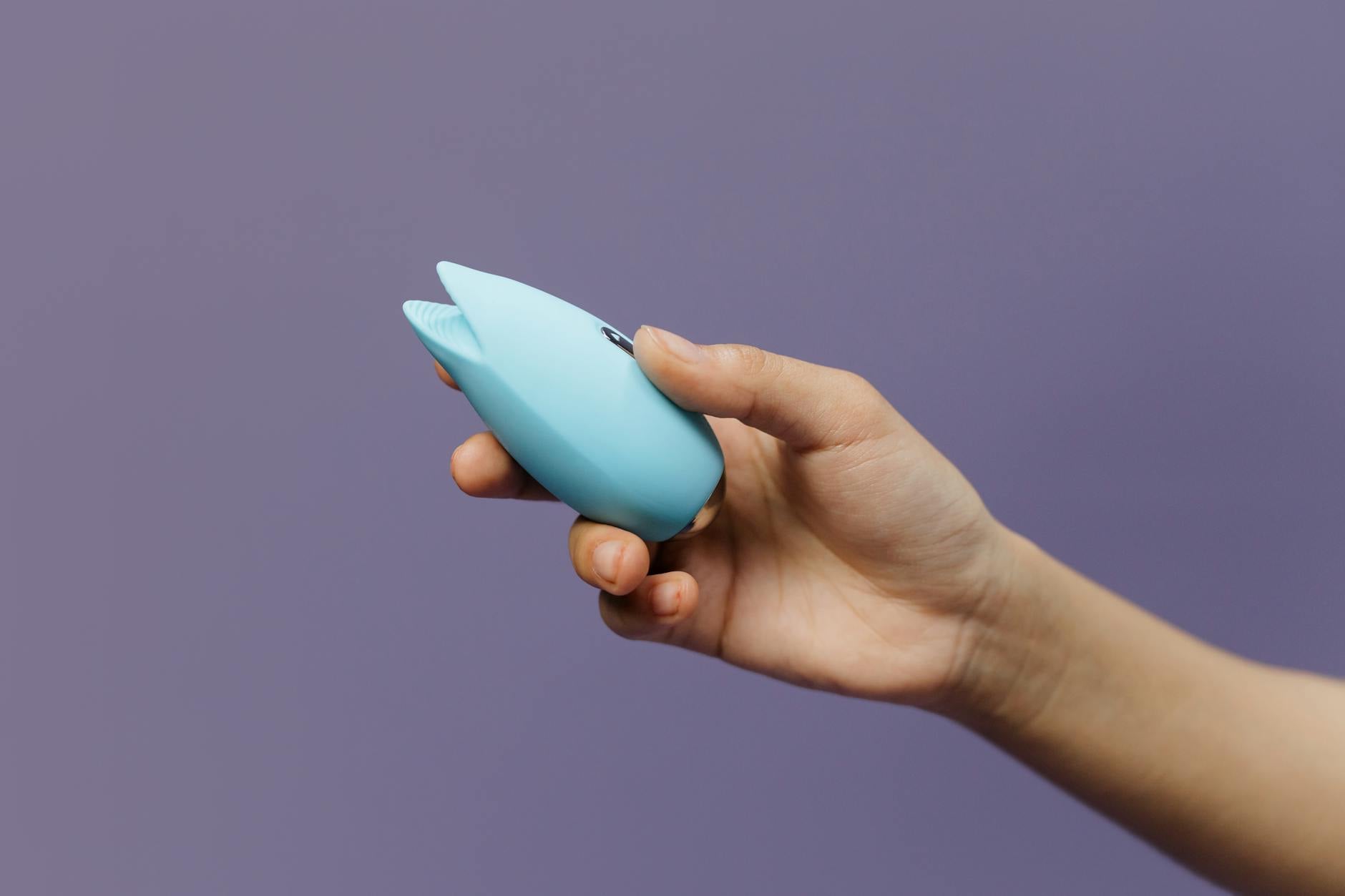
How Lemon Vibrators Help When You Want Pleasure Without Commitment Anxiety
Let's be real. Dating casually often means managing two competing anxieties at once. You're trying to enjoy someone's company without implying you want forever. And you're trying to enjoy the sex without making it mean more than it does. That second anxiety gets lodged in your body, and it wrecks pleasure.
Here's what I've observed in years of working with clients navigating this: the moment you depend on a partner to make you feel good, you're handing them a script for the entire encounter. You're waiting for them to initiate. You're gauging their enthusiasm to determine your own. You're adjusting your pleasure to fit their timeline, their pressure, their rhythm. That's not sex. That's a performance review.
Lemon clitoral vibrators, and clitoral vibrators in general, change that dynamic completely. They're not about replacing anyone. They're about reclaiming something essential: the authority over your own body.
Why commitment anxiety tanks pleasure
The brain and the body are not separate systems. When you're anxious about what sex "means" in a casual relationship, that anxiety lives in your nervous system. It shows up as difficulty relaxing, trouble reaching orgasm, or the strange sensation of being present but somehow watching yourself from above.
This happens because your threat-detection system is activated. If sex feels like it carries relationship implications you didn't ask for, your body treats it like a threat. Arousal, in that state, is fighting against your own survival instinct.
Casual doesn't mean low-stakes for your body. Your nervous system doesn't distinguish between commitment pressure and genuine threat. It just knows: something matters, and I'm not in control of the outcome.
What changes when you own your pleasure first
Bringing a lemon vibrator into the picture does something radical. It shifts the entire frame from "Is my partner doing this right?" to "What do I actually want?"
Three specific things happen.
First, you separate your orgasm from someone else's effort. You're not relying on their skill, their mood, their energy, or their staying power. Your pleasure is no longer dependent on them showing up in a specific way. That's profoundly destabilizing at first. And then it's profoundly freeing.
Second, you demonstrate a boundary. Not aggressively. Just clearly. You're saying: "I know my body. I know what works. I'm not asking you to read my mind or fix what's broken, because nothing is broken." Partners who respect that are worth your time. Partners who feel threatened by it are showing you something important early.
Third, you remove the pressure from the encounter. If you're solo and you want to explore with a lemon clitoral vibrator, there's no timeline, no performance expectation, no need to pretend you're enjoying something you're not. If you're with a partner, using the vibrator together actually lightens the load on them. They don't have to be the sole source of stimulation. They can focus on connection instead of technique.
The practical reality of using lemon vibrators in casual dating
Honestly, this requires a conversation. Not a dramatic one. Just clarity. "I like using a vibrator. I want to bring mine tonight. Are you good with that?"
Some partners will be. Some won't. That's useful information.
If they are, here's what tends to happen. The vibrator becomes a tool for partnership, not a threat to it. They can use it on you while they focus on kissing you or touching you elsewhere. You can use it yourself while they're inside you. The sensation is wildly different from what either of you could do alone.
The lemon vibrator, specifically, works particularly well in this context because the suction sensation is concentrated and doesn't require a ton of direct pressure. You can enjoy deep sensation without your body tensing up in anticipation of pain or overstimulation. That relaxation is what lets arousal actually build.
When commitment anxiety shows up as numbness
Some people don't experience commitment anxiety as tension. They experience it as dissociation. You're having sex and you can feel it happening, but you're not really present. Your nervous system is so busy managing the emotional complexity that it's pulled sensation offline.
This is where a lemon vibrator becomes especially valuable. The suction stimulation is strong enough to pull your attention back into your body. It's harder to dissociate when there's a specific, intense sensation demanding your focus. You're not thinking about what this means or what they think. You're just feeling.
That's not avoidance. That's grounding.
How to introduce this without awkwardness
There are a few approaches depending on your style and your relationship dynamic.
The straightforward approach: "I want to try something that makes me feel better. Would you be into that?"
The curious approach: "I've been wanting to explore clitoral vibrators. Want to figure it out together?"
The solo approach: Use it on your own time, in your own space, as part of getting to know your body better. You don't have to bring it into partnered sex unless you want to.
Any of these works. The key is that you're not asking permission. You're offering a choice.
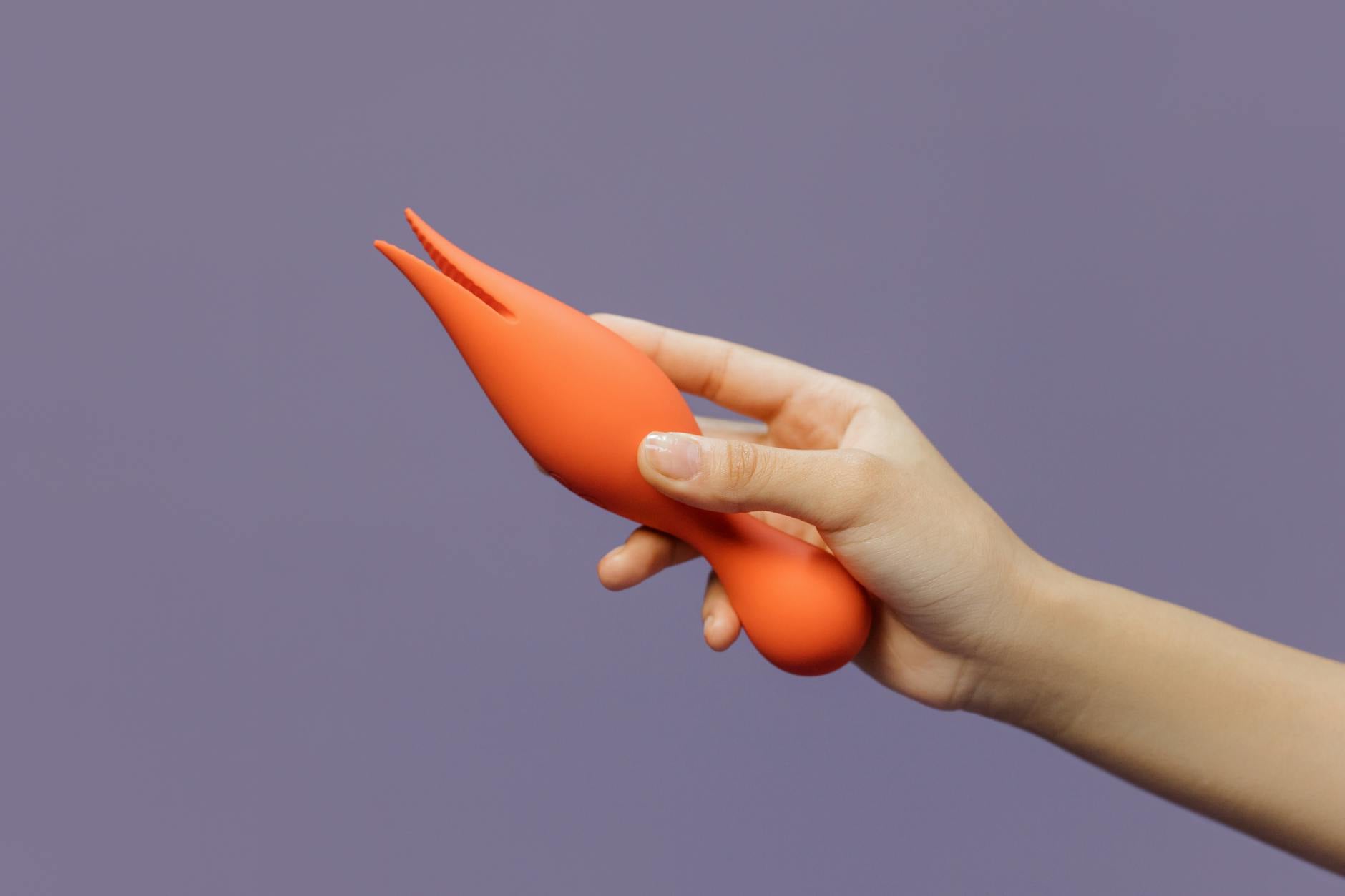
Photo by cottonbro studio on Pexels
The difference between casual and disconnected
Casual dating doesn't have to mean disconnected sex. You can have presence, attention, and mutual pleasure without the conversation turning into "so what are we doing here?"
What lemon vibrators do is create permission structures. They say: "My pleasure matters. My body deserves attention. I'm not waiting for someone else to figure me out."
That's attractive. Partners respond to that. Not because the vibrator is magic. Because confidence, in your own body, is attractive.
If you're someone who tends toward over-explaining your needs or apologizing for your desires, a vibrator is a brilliant shorthand. It does the communicating for you. It says what you might struggle to articulate.
When to use them solo versus partnered
There's no rule here. Some people love incorporating them with partners immediately. Some people want to get comfortable on their own first.
If you're new to clitoral vibrators, solo exploration is genuinely valuable. You're learning your own rhythm without managing someone else's reaction. You're building a reference point for what actually feels good, which makes it so much easier to direct a partner if and when you want to.
If you're using them partnered, the vibrator becomes a shared tool. It's not a replacement for them. It's an addition. Think of it like the difference between cooking alone and cooking with someone. One isn't better. They're just different.
The emotional permission piece
Here's what I see most often: people (especially women, especially in casual contexts) feel like they're not allowed to want the good version. They've internalized the idea that casual means you're supposed to be fine with mediocre. You're not supposed to ask for better. You're certainly not supposed to bring equipment.
That's garbage.
Your pleasure matters regardless of the relationship status. Whether you're with someone for one night or one year, you deserve sensation that feels good. You deserve to know your body. You deserve to have preferences and communicate them.
Lemon clitoral vibrators are tools for claiming that. They're not about rejecting partnership. They're about refusing to shrink yourself down.
FAQ: Lemon Vibrators and Casual Dating
Will using a vibrator make my partner feel like they're not enough?
Not if you frame it right. Most partners feel relief when they realize they don't have to be the sole source of your pleasure. It actually takes pressure off them. If someone is threatened by a vibrator, that's them telling you they have some insecurity around their own worth. That's their thing to work through, not your job to manage. A vibrator clarifies whether someone's secure enough for you.
Is it weird to use a lemon vibrator in a casual dating situation?
It's only weird if you make it weird. Lots of people in casual arrangements use vibrators. It's actually smart. You're not leaving your pleasure to chance. You're taking responsibility for it. That's the opposite of weird. That's thoughtful.
Can I use a lemon vibrator alone and still want partnered sex?
Absolutely. They're not either or. Solo exploration doesn't diminish partnered sex. Actually, it usually improves it because you know what you like. You're not guessing. You're directing.
Will a lemon clitoral vibrator change how my body responds to touch?
No. Your nerve endings aren't rewiring. You're just giving them a different type of stimulation to compare. That's good information. It doesn't make you less responsive to fingers or mouths. It makes you more informed about what your body enjoys.
How do I bring up vibrators without it becoming a whole thing?
Treat it like equipment, not like a referendum on your relationship. "I've got a vibrator I like using" is way more casual than "I really need you to understand my sexuality." One is matter of fact. One is loaded. Pick the first approach.
What if I want to use a vibrator but my partner isn't interested?
Then you use it alone, or you find a partner who is interested. You don't need permission to pleasure yourself. His disinterest doesn't change your right to explore what feels good. This is another one of those clarifying moments. Do you want to be with someone who wants you to feel good, or someone who wants you to feel bad? That's the actual question.
The bottom line
Casual dating can mean low commitment. It doesn't have to mean low pleasure. Lemon vibrators exist so you can separate "this person and I aren't building a life together" from "this encounter shouldn't feel good."
You get to have both. Casual, and satisfying. Independent, and connected. Confident in your own body, and still open to someone else's touch.
That's the version of casual dating worth having. The vibrator just makes it easier to claim.