Let's name what's actually happening
You've just ended a long relationship. Maybe it was your call, maybe it wasn't. Either way, you're home alone on a Friday night and suddenly the person you've been partnered with for years—sometimes decades—isn't there. The silence is different. Your body feels different too.
Here's the thing nobody talks about: solo pleasure after being partnered long-term is not the same as it was when you were single. You're not the same person. You've been navigating someone else's body, someone else's rhythm, someone else's needs. Your nervous system learned to sync with theirs. Your pleasure became collaborative, even when it looked like it was about you.
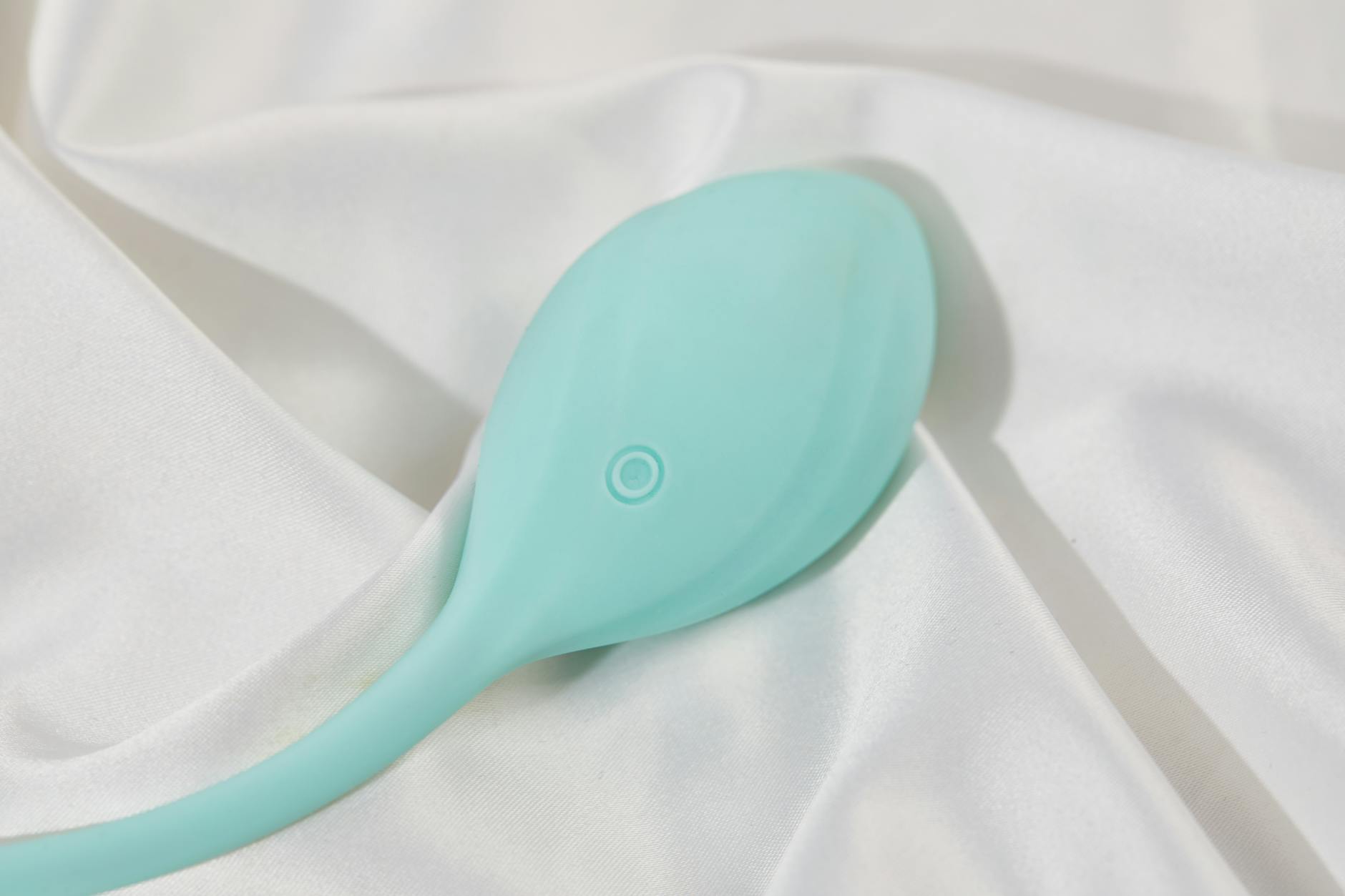
Starting over alone isn't a return to your old self. It's learning yourself differently. And that's exactly where a lemon clitoral vibrator—specifically the air-suction design that Hello Nancy's Lem offers—becomes genuinely useful.
Why solo play feels so awkward at first
When you've been in a partnership for years, your brain rewired itself. You learned to associate arousal with another person. Their presence became part of your arousal pathway. Their attention, their hands, their body, their desire for you—all of it became tangled up in how you experienced your own pleasure.
Then the relationship ends and suddenly you're supposed to just... turn all that off and redirect it toward yourself? That's not how neurology works.
Many of my clients describe this as feeling "broken" during solo play. They say they feel self-conscious, or they can't focus, or they get bored, or it feels like going through motions. They're not broken. Their nervous system is genuinely confused about who the audience is supposed to be.
There's also a grief component. Every time you touch yourself, there's an awareness that another person isn't there. Sometimes that grief is fresh and sharp. Sometimes it's dull and complicated. Either way, it sits underneath the experience.
How air-suction technology bridges that gap
This is where tools like a lemon vibrator help in a specific, non-obvious way.
Traditional vibrators require you to be an active participant. You're controlling the pressure, the angle, the speed. You're making all the choices, all the time. When you're newly single and grieving, that much active choice can feel overwhelming or make the self-consciousness worse.
Air-suction devices like the Lem work differently. They create a sealed suction around the clitoris that stimulates without requiring you to position it perfectly. The sensation is intense and immediate—it doesn't require a long build-up or deep focus. Once you press start, it works. You don't have to earn your own pleasure.
This sounds simple, but psychologically it's important. When you're newly single and fragile, a tool that requires less active negotiation with yourself can feel like permission to stop trying so hard. You don't have to orchestrate the whole thing. Something else is doing the work.
It's also tactilely very different from a partner's hands or body. It's neither trying to replicate that nor competing with it. It's just... its own thing. A lemon sucker creates a sensation that stands alone, which can actually make it easier to have an experience that's entirely separate from the relationship grief.
The permission piece (why it matters more than the sensation)
Here's what I see clinically, over and over: newly single people struggle less with the physical mechanics of pleasure than with the emotional permission to have it.
If you've been in a long partnership, you probably learned to prioritize your partner's pleasure over your own. Not consciously, maybe. But after years, the nervous system learns that your desire comes second. Taking up space for your own sensation becomes something that requires active unlearning.
A lemon vibrator—especially one designed for intense, focused stimulation—can serve as a permission slip. It says: this time is for you. Not for anyone else, not for balance, not for maintenance. For your pleasure alone. And because it's a tool, not a person, using it doesn't trigger the same relationship patterns. You can't be performing for it. You can't be worrying about whether you're taking too long or being too loud or caring too much.
This is why some of my clients report that their first solo orgasms after a breakup happen with a lemon vibrator when they wouldn't happen without one. It's not that the device is magic. It's that the device creates a container where their nervous system can finally believe that this time really is just for them.
The practical logistics that help
Newly single solo play works better when you stack the deck in your favor. Here are the non-negotiable pieces:
Kill the multitasking. Don't lie in bed thinking about work or scrolling your phone or half-watching something. Your brain needs novelty after years of being partnered. It doesn't process a half-engaged experience the same way. Set aside 20 minutes where this is the only thing happening.
Lower the stakes. You don't have to orgasm. You don't have to feel amazing. You're just reconnecting with sensation. Let it be weird at first. It probably will be. That's normal and it changes.
Use lubrication even if you think you don't need it. Your tissues may respond differently to solo touch than they did to a partner's touch. Using water-based lube removes friction-related discomfort and makes everything easier. It's not a sign you're broken.
Start with a pattern you don't have to think about. With a lemon clitoral vibrator like the Lem, try patterns 2 or 3 (mid-range, consistent suction). Let your body find the rhythm instead of your brain choosing one. This sounds silly but it works because you're outsourcing the decision-making to the tool, not to yourself.
Have a partner-free environment. This isn't about shame. It's about clearing the literal and mental space. If you share a bed with someone or live with family, solo play works better in a space where the relationship traces don't live. A bathroom, a guest room, somewhere that's genuinely yours alone.
When solo pleasure reconnects you to yourself
After about four to six weeks of regular solo play, something shifts. Your nervous system starts to recognize this as its own thing, not a pale substitute for partnered sex. Your body learns that it can have sensation and pleasure on its own terms.
Many of my clients describe a gradual return of sexual self-awareness. You start noticing what actually turns you on, not what you learned your partner wanted. You notice rhythms and sensations you'd forgotten about. You start wanting things. Real wants, not phantom partnership patterns.
This is huge. Because once you know what you want solo, you can bring that knowledge into future relationships. You're not starting from a place of "I don't know what I like anymore." You're starting from "Here's what I know about my own pleasure, take it or leave it."
There's also a subtle confidence shift. You've proven to yourself that you can feel good alone. That you don't need someone else to access your own body. That your pleasure belongs to you first. After years of treating it as something collaborative, that's genuinely radical.
How this changes when you date again
Between you and me, this is also a privacy gift. Once you're dating again, having your own relationship with a lemon vibrator—or any solo tool—means you're not waiting for someone else to satisfy you. You know how to do it. You've done it. You don't carry the desperation of someone who's never figured out their body.
If you're dating a partner who wants to use a clitoral vibrator together, you already know how it feels. You're not learning on them. You're inviting them into something you already understand. That changes the dynamic entirely. There's less pressure, more expertise, clearer communication.
And if you're someone who needs extended time or specific patterns to orgasm—which is genuinely common after long partnerships, especially if you're adjusting to a new partner's style—you already have a tool and a practice that works. You're not starting from scratch, frustrated and resentful. You're bringing skills to the table.
The grief is still allowed
I want to be clear about something: using a lemon vibrator doesn't mean you're "over it" or that you don't miss your ex or that you're "moving on" in some neat linear way. Pleasure and grief coexist. You can have a powerful orgasm and still feel sad about the relationship ending. Both things are true. Both things are allowed.
In fact, reclaiming your own pleasure while grieving is actually part of healing. It says: I can feel bad about this and I can also have good sensations. I can miss someone and also take care of myself. I can be angry or sad and also be sexual. Those things don't cancel each other out.
Your nervous system needs to know that pleasure is still available to you, even in loss. A lemon vibrator is just a practical, non-judgmental way to prove that to yourself.
Frequently asked questions
How long does it take before solo play feels normal again after a breakup?
Most people report a noticeable shift in comfort around four to eight weeks of regular practice. But "normal" looks different now than it did when you were single before. You're not returning to your old self. You're integrating your partnered years and building something new. That timeline is individual. Some people reconnect in weeks. Others need months. Neither is wrong.
Is it weird to use a vibrator right after a breakup?
Not at all. Actually, reconnecting with your own pleasure during grief is one of the most grounding things you can do. It keeps you tethered to yourself instead of staying stuck in the relationship story. It's not disrespectful to your ex or the years you shared. It's you taking care of you.
Can a lemon vibrator actually help if I'm feeling numb or disconnected?
Intensity can help wake up numb tissue and sensation. Air-suction vibrators like the Lem are specifically designed to create strong, focused stimulation without requiring you to do much active work. If you're emotionally numb, starting with a more intense tool sometimes breaks through that numbness faster than something subtle. That said, numbness that persists should probably be checked out with a therapist or doctor—grief can sometimes mask depression.
What if I feel guilty using a vibrator because my ex didn't like them?
That guilt is worth unpacking, but here's the reality: your body is not your ex's anymore. You don't owe them approval for how you pleasure yourself. If they didn't like vibrators, that's useful information about them, not about you. You're single now. You get to decide what happens with your own body. Using a lemon vibrator is a small, practical way of reclaiming that boundary.
Should I tell a new partner that I've been using a vibrator during my single phase?
You don't have to disclose anything about your solo life. But if you're moving into partnered sex again, having actual experience with what helps you feel good makes conversation easier. You can say, "I've discovered what works for me," and then either invite them into that or learn together. It frames vibrators as tools, not as signs that your partner isn't enough.
Is there a "right" time to start dating again after using a vibrator for solo play?
There's no timeline. Using a vibrator solo doesn't mean you're "ready" to date. It means you're taking care of yourself. Those are separate things. Date when you feel like dating. Use a vibrator whenever you want solo pleasure. Don't rush either one.
Your pleasure is a map back to yourself
Breakups crack you open. For a while, everything feels foreign. Your bed is different. Your body is different. Your wants are different. You're untethered.
But reconnecting with your own pleasure isn't frivolous in that disorientation. It's actually one of the most grounding things you can do. It says: I'm still here. My body still works. I still deserve to feel good.
A lemon vibrator—with its intense, immediate sensation and minimal fuss—is a practical tool for that reconnection. It's not a substitute for time or therapy or friends or all the other things that heal you. It's just a small, concrete way to remind yourself that pleasure belongs to you first.
When you're ready to explore what that looks like, we're here. Want to talk through what might work for your specific situation? Reach out to us at Hello Nancy.