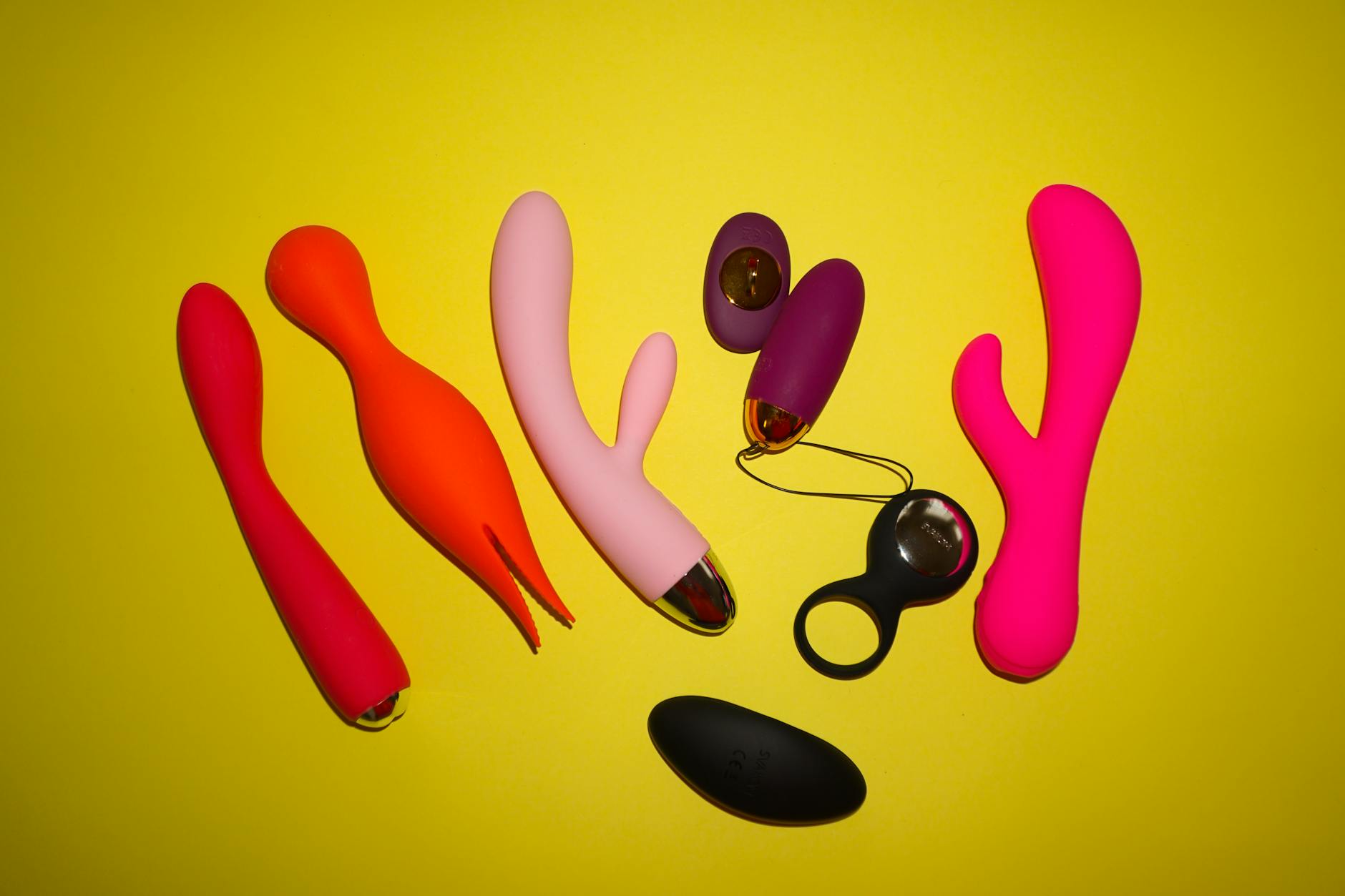
Desire doesn't vanish at 40. But hormones shift, stress peaks, and touch sensitivity changes. Here's what actually restores libido and why lemon clitoral vibrators work.
Libido doesn't crash at 40 like a car hitting a wall. It's quieter than that. Slower. You start noticing that sex, which used to arrive like an itch you wanted scratched, now feels optional. Like something that used to be automatic is now something you have to schedule, remember, and honestly, motivate yourself toward.
Three things collide at midlife, and none of them are purely hormonal. Yes, estrogen and testosterone gradually decline starting in the late 30s. Yes, that affects sensation and arousal speed. But here's what nobody talks about: by 40, most people are managing kids, aging parents, work stress, relationship fatigue, and a body that doesn't forgive late nights anymore.
Add in the fact that your clitoris gets less blood flow as you age, and what used to spark instantly now requires more deliberate stimulation. The physical machinery is still there. It's just asking for different input.
If you've been using a standard vibrator for years and suddenly it feels meh, you're not losing sensation. Your neural pathways are adapting. Your clitoris is more sensitive to certain types of stimulation now, not less. This is where most people quit and assume they're just broken.
That's exactly backwards. You've actually become more sophisticated.
Lemon vibrators, specifically the suction and pulsing variety, work differently than the traditional wand vibrators that dominated the 90s and 2000s. Instead of direct vibration, they create a gentle vacuum and release pattern that simulates oral sex. For bodies over 40, this often feels more novel, more targeted, and more effective at rebuilding that sensation of desire you thought had quietly retired.
Desire is 30 percent hormonal, 70 percent neurological. When you use the same type of stimulation for years, your brain stops registering it as novel. Novelty triggers dopamine. Dopamine is what makes you actually want sex, not just tolerate it.
When you switch to a different tool or technique, you're literally waking up dormant pleasure pathways in your brain. A lemon clitoral vibrator feels different enough from what you've been doing that it resets that response. Your body hasn't changed. Your nervous system just needed a reason to pay attention again.
Suction-based stimulation has three advantages for people over 40. First, it doesn't require as much direct pressure on thinning tissue. Second, the rhythmic pulse mimics the pattern of how most people naturally touch themselves, which means it feels intuitive. Third, and honestly most important, it works on the entire vulva, not just one spot.
When desire is low, localized vibration can feel frantic and exhausting. You're not getting aroused, so you're working harder to get stimulation to register. That fight is demoralizing. A lemon vibrator's broader stimulation pattern actually allows arousal to build gradually, which is what midlife bodies need.
I've worked with dozens of couples over 40 where one partner felt their libido evaporating. The moment they switched tools, the entire dynamic shifted. Not because they wanted sex more, but because pleasure felt accessible again. And once pleasure becomes accessible, desire follows.
By 40, most people are living in chronic low-grade stress. Work deadlines, family obligations, aging parents, financial pressure. All of that elevates cortisol, your stress hormone. High cortisol kills sexual desire faster than any hormone decline ever could.
Regular pleasure, whether alone or with a partner, actually lowers cortisol and raises oxytocin. That's not self-help speak. That's measurable neurobiology. When you use a lemon vibrator and experience genuine pleasure, your nervous system registers a signal that you're safe enough to enjoy yourself. Over time, that rebuilds libido at the neurological level.
You're not trying to force desire back. You're creating the conditions where it can naturally return.
If you're in a relationship, low libido often gets coded as rejection by the other person. But if it's actually about touch sensitivity, arousal speed, or just needing novelty, then the solution isn't more communication about feelings. It's a different tool and a clearer understanding of what your body actually needs now.
Introducing a lemon clitoral vibrator into partnered sex can actually restore desire faster than anything else because it reframes the situation. Instead of "I'm broken and you have to fix it," it becomes "Let's try something that feels good for my body right now." That shift alone often restores intimacy.
Expectation management matters here. You won't suddenly feel like you did at 25. But you might feel something you haven't felt in years: genuine curiosity about what your body can do. That curiosity is libido's older sister.
Start at a low intensity and take your time. The whole point is that you've got time now. You're not rushing toward a destination. You're reconnecting with sensation. Some people find that a few solo sessions with a lemon vibrator completely reboot their confidence in their own pleasure, which then ripples into partnership.
If you've tried everything and desire still hasn't budged, it's worth getting your thyroid and testosterone checked. A sluggish thyroid can absolutely tank libido and feel indistinguishable from just being burnt out. Low testosterone affects people with vulvas more than most realize, and it's highly treatable.
Depression and anxiety also kill desire in ways that no vibrator alone can fix. A lemon vibrator is a tool for reconnecting with pleasure that's still potentially there. If pleasure feels completely inaccessible, talking to a therapist first makes sense.
Here's what I've learned from years of working with couples navigating midlife: libido doesn't vanish because you stop loving your partner or because your body stops being capable. It vanishes because something in the system has shifted and nobody explained the new settings to you.
Your body at 40 isn't broken. It's asking for different stimulation, more time, and sometimes a tool that actually speaks to how your nervous system is wired right now. A lemon vibrator is that conversation starter. Use it alone first. Notice what comes back. Then bring that information into partnership if you have one.
Desire is not a destination you get to at 25 and then coast from. It's something you have to actively tend to at every stage of life. After 40, that tending looks different. It requires novelty, patience, and permission to want things in a new way. A good lemon clitoral vibrator gives your body permission to feel again.
There's no universal timeline, but most people notice a shift in how pleasure feels within three to five solo sessions. Actual libido change (wanting sex more frequently) typically follows within two to three weeks of regular use. The key is consistency without pressure. You're rewiring a neurological pattern, not flipping a switch.
Yes, though the timeline might be longer. Many antidepressants reduce natural lubrication and can dull sensation initially. A lemon vibrator's broad stimulation often works better than other tools because it doesn't rely on concentrated intensity. If you're on SSRIs and sexual desire has flatlined, definitely talk to your doctor. Sometimes switching timing or medication can help. The vibrator is still a useful tool alongside that conversation.
Not remotely. In fact, couples who use toys together often report higher satisfaction and better communication about what feels good. If your partner feels threatened by a vibrator, that's usually about insecurity or a mismatch in understanding what the tool actually does. It's worth having a straightforward conversation: this isn't about replacement, it's about me reconnecting with pleasure so I want sex more. Most partners get that immediately.
Not always, but you probably should if you're over 40 or if your natural lubrication has changed. Water-based lube is your friend. It makes the sensation more comfortable and the vibrator glide better. It's not a sign you're broken. It's just how bodies change. Use lube without shame.
First, are you using it on the right spot? The clitoral glans is most sensitive, but some people's pleasure centers are on the clitoral hood or outer labia. Move it around and see what actually feels good rather than what you think should feel good. Second, are you giving yourself time? Arousal after 40 is slower. Budget 10 to 15 minutes of just exploration. Third, if it's still nothing after several sessions, check in with yourself about stress and mental health. Sometimes low libido is pointing at something bigger than a hormone shift.
Possibly. Many people who've never had an orgasm find that the novel sensation of a lemon clitoral vibrator finally triggers the response their body needed. But if that's your history, you might also benefit from working with a sex therapist alongside the vibrator. Sometimes the block is neurological, sometimes emotional, sometimes structural. A vibrator is a tool, not a guarantee, but it's absolutely worth trying.
Low libido after 40 is not a life sentence. It's not a sign your sexual self is retiring. It's an invitation to understand your body in a new way and reach for tools that actually fit your current wiring. A lemon vibrator often does exactly that. If you want to explore what might work for you, reach out at /contact and we can help you find the right tool for your body and your moment.
Your pleasure matters at 40. It matters at 50. It matters always.