Let's be real about hormonal changes and sensation loss
Birth control, pregnancy, breastfeeding, perimenopause, menopause, and even chronic stress can all trigger the same thing: thinning vaginal and clitoral tissue, reduced blood flow to the genitals, and a frustrating flattening of sensation. You're not imagining it. Your clitoris is literally less responsive right now, and that's not a personal failing. It's biology.
The problem most people face is that standard vibrators were never designed for this specific shift. They're built for baseline sensitivity and general stimulation. When your tissue changes, you need a tool that works harder and smarter. That's where lemon vibrators enter the picture.
How hormonal changes actually affect your clitoris
Your clitoris has roughly 8,000 nerve endings packed into one small area. All of those nerves live in tissue that depends on estrogen and blood flow to stay responsive. When hormones drop, two things happen simultaneously.
First, the epithelial tissue around your clitoris thins. Imagine the difference between a ripe peach and a dried one. The outer layer gets less plump, less hydrated, less sensitive to light touch. Second, blood flow decreases, which means fewer oxygen molecules reach the nerve endings and fewer resources for them to fire quickly. The result is a muted sensation, delayed arousal, and sometimes a feeling like your clitoris has gone somewhat numb.
This is temporary, and it's fixable. But it requires understanding why standard vibrators often make it worse instead of better.
Why traditional vibrators stop working
Most vibrators operate on the principle of high-frequency oscillation. They buzz rapidly in place, which works brilliantly when tissue is thick and nerves are firing at baseline speed. But when your clitoris has thinned and sensation has dulled, that rapid buzz becomes either too intense (causing discomfort or overstimulation of already-raw tissue) or too shallow (the vibration doesn't penetrate deeply enough to reach the nerve clusters that are still responsive).
You end up in a painful middle ground. Either you're grinding through discomfort, or you're chasing a sensation that never quite arrives. Neither is pleasure. Both are frustrating enough that many people abandon toys altogether and assume the problem is permanent.
It's not. It's a mismatch between the tool and the tissue.
Why lemon vibrators work better during hormonal transitions
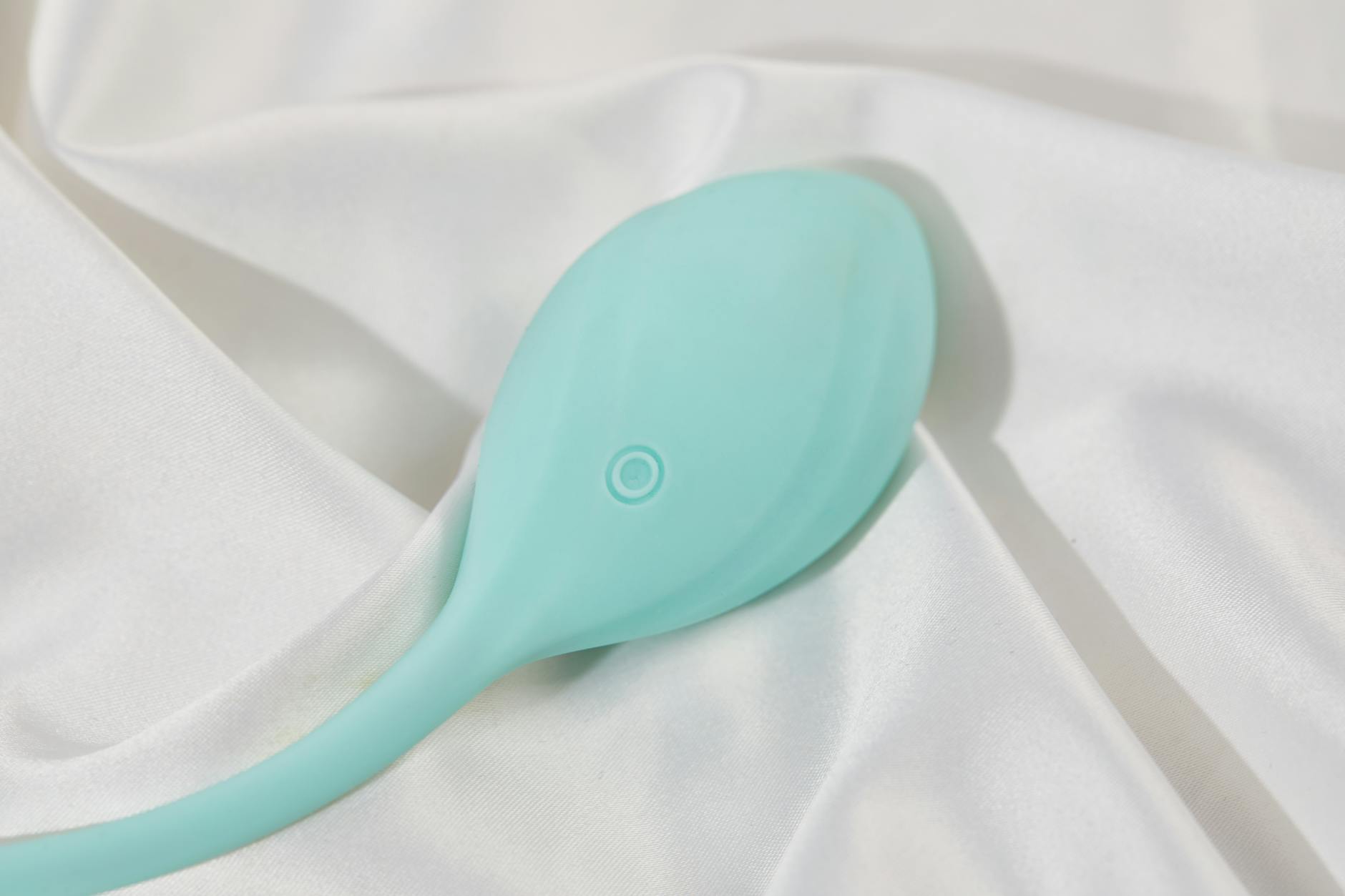
Lemon clitoral vibrators, including the Hello Nancy Lem, use a fundamentally different stimulation method called air-pulse or suction technology. Instead of vibrating in place, they create a gentle rhythmic sucking sensation that pulls the clitoral tissue upward and inward.
This approach solves three problems at once.
First, it reaches deeper tissue. Suction creates a seal around the clitoris and pulls nerves and blood vessels toward the device. This means you're stimulating not just the surface but the erectile tissue beneath it. For thinned tissue, that depth is crucial. You're reaching sensation that's still intact even when the outer layer has changed.
Second, it's less mechanically intense. Because suction spreads pressure across a larger surface area rather than concentrating it in one spot, it feels less abrasive on delicate tissue. You get powerful stimulation without the friction burn or raw feeling that can come with traditional vibrators during hormonal transitions.
Third, it improves blood flow more effectively. The gentle pulling action of suction actually draws blood into the clitoral area, which means more oxygen, more nutrients, and faster nerve response over time. It's not just a temporary fix. Regular use can actually help restore sensation by increasing circulation.
This is why so many people report that lemon vibrators feel almost life-changing after hormonal shifts. It's not magic. It's physics and physiology working in sync.
The sensation recovery timeline
If you've been experiencing sensation loss for months, you won't wake up tomorrow feeling like yourself again. But you'll likely notice changes faster than you expect.
Week one with a lemon clitoral vibrator typically brings surprise. The sensation feels completely different from what you've tried before. You might feel more immediately, or you might need to experiment with different suction levels and patterns. Give yourself permission to explore without judgment.
Weeks two through four often bring noticeable improvement in how quickly you can reach arousal. Your clitoris is experiencing better blood flow, and those nerve endings are starting to fire more reliably. Orgasms might feel more accessible or more intense.
Month two and beyond is where real restoration happens. As hormonal transitions stabilize and your body adapts to better stimulation, sensation typically normalizes. Many people find that they feel more responsive than they did before the hormonal shift began.
This timeline varies wildly depending on what's causing the hormonal change and how long it's been happening. Menopause-related changes take longer to reverse than hormonal birth control changes. Breastfeeding-related numbness often improves faster than perimenopause sensitivity loss. Your body is unique, and so is your timeline.
How to use a lemon vibrator during hormonal transitions
Starting right matters. Here's what actually works.
Begin with lower suction settings. Most lemon vibrators have multiple intensity levels. If you're experiencing thinned tissue or reduced sensation, resist the urge to jump to maximum power. Start at level one or two and spend time there. Your goal isn't intensity. It's allowing your clitoris to adjust and your nerve endings to wake up.
Use plenty of water-based lubricant. Thinned tissue benefits enormously from external lubrication, even if you're producing natural lubrication. The lube reduces friction, makes the suction feel more comfortable, and creates a better seal for the device to work effectively.
Longer warm-up beats harder stimulation. Spend 10-15 minutes on lower settings before considering moving up. This mimics what would naturally happen during extended foreplay and allows your body to gradually increase its arousal response. It also gives you time to notice what feels good without chasing an orgasm that might be slower to arrive.
Experiment with position and angle. The lemon vibrator works best when the seal is complete and the suction is pulling the clitoris upward. Some people find this works best lying down on their back. Others prefer being on their side. A few discover that slight hip tilts or repositioning changes everything. There's no wrong answer. Just notice what feels most effective.
When sensation loss is more than hormonal
If you've been experiencing reduced clitoral sensitivity for months and nothing is improving, check in with your doctor or a gynecologist. Reduced sensation can sometimes indicate diabetes, nerve damage, or other underlying conditions that deserve attention.
That said, sensitivity loss after hormonal changes is common and completely normal. You're not broken. Your tissue isn't damaged. It's just temporarily less responsive, and that's remarkably fixable.
The deeper conversation about pleasure after change
Here's what I see in my practice constantly. When sensation shifts, people panic. They assume pleasure is disappearing permanently. What's actually happening is more nuanced. Your pleasure capacity hasn't gone anywhere. Your body's response timeline has simply changed.
Some of my clients discover that this shift forces them to slow down, pay more attention, and actually feel more during sex than they did before. Others find that using a lemon clitoral vibrator gives them back the sensation they lost and unlocks orgasms that are more intense than they remember. Many experience both.
The key is patience with yourself and willingness to try something designed for your body's current reality, not your body's past reality.
FAQ: Clitoral sensitivity and lemon vibrators
Why does hormonal birth control reduce clitoral sensitivity?
Hormonal birth control suppresses natural estrogen and testosterone production. Your clitoris, like all sexual tissue, depends on these hormones to maintain thickness, blood flow, and nerve responsiveness. Lower hormone levels mean thinner tissue and muted sensation. This usually resolves within 2-4 weeks of stopping hormonal birth control, though some people take longer to fully restore sensation.
Can a lemon vibrator restore sensation permanently, or is it temporary?
Regular use of a lemon clitoral vibrator can actually help restore sensation more permanently by improving blood flow and retraining your nervous system to respond to stimulation. Many people find that after a few months of use, their natural responsiveness improves significantly. That said, if your hormonal changes are ongoing (like perimenopause), you may need continued support to maintain sensation.
Is it normal for orgasms to feel different after hormonal changes?
Completely normal. Orgasms during hormonal transitions often feel different because the tissue they're happening in has changed. They might feel more concentrated, less intense, slower to build, or entirely different in quality. This doesn't mean something's wrong. It means your body has changed and your nervous system is adapting. A lemon vibrator helps bridge that gap by providing targeted stimulation that works with your new tissue rather than against it.
How long does it take to feel results with a lemon vibrator?
Most people notice something different in the first session. Noticeable improvement in sensation typically comes within 2-4 weeks of regular use. Full restoration of pre-hormonal-change sensitivity can take 2-3 months, depending on what caused the change and how long it's been happening. Consistency matters more than intensity.
Can I use a lemon vibrator if I'm currently on hormonal birth control?
Absolutely. In fact, many people on hormonal birth control use lemon clitoral vibrators specifically because their natural sensitivity is reduced. The device doesn't interact with your birth control. It just gives your clitoris the stimulation boost it needs to respond and reach orgasm more easily despite lower hormone levels.
Should I see a doctor if sensation hasn't improved after using a lemon vibrator for two months?
Yes. While reduced sensitivity during hormonal changes is normal and usually reversible, persistent sensation loss despite consistent use of an appropriate device deserves professional attention. A gynecologist trained in sexual health can rule out underlying conditions and help you figure out what's actually happening. Sometimes the answer is as simple as needing a different tool or approach. Sometimes it's something worth investigating further.
What comes next
Your pleasure matters, and it doesn't disappear when your hormones change. It shifts. Sometimes that shift feels like loss. Often, when you use the right tool and give yourself permission to explore what your body needs now, that shift becomes an opportunity.
A lemon clitoral vibrator isn't a magic wand. But it is specifically designed to work with thinned tissue, reduced blood flow, and the particular sensation loss that comes with hormonal change. If you've been struggling to feel anything after birth control changes, perimenopause, menopause, or postpartum shifts, trying a device like the Lem might be exactly what you've been missing.
Start low, go slow, and give your body time to adjust. Your clitoris will thank you.