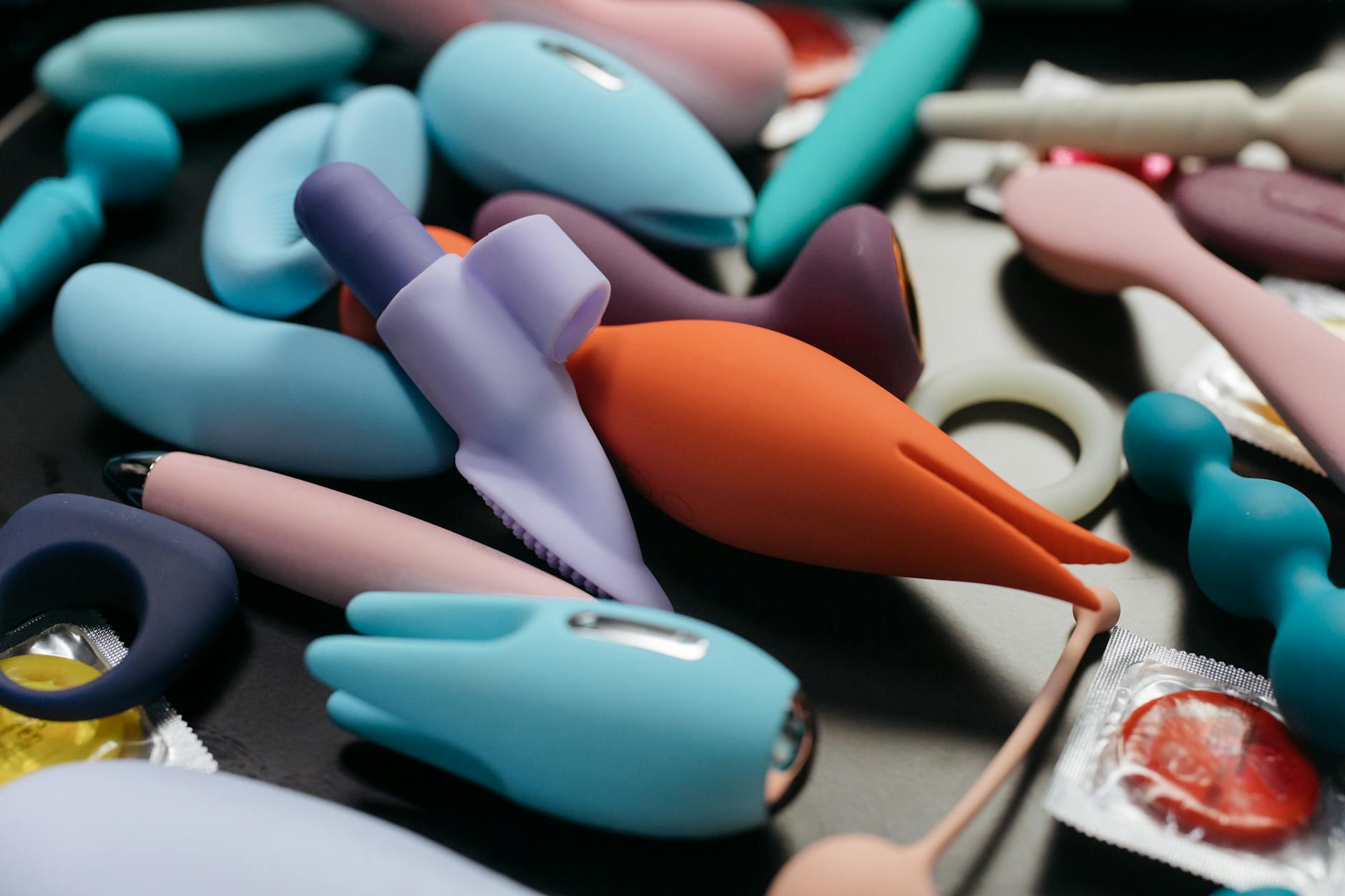
The real reason you're nervous
Let's be honest. You're not actually worried about the vibrator. You're worried about what introducing one means to your partner. Will they think you're unsatisfied? That they're not enough? That you've been fantasizing about someone else?
None of that is what it means. And the clearer you are about that before you open your mouth, the cleaner the conversation goes.
What the research actually says about couples and vibrators
Here's the contradiction nobody mentions: couples who use vibrators together report higher sexual satisfaction, lower sexual dysfunction, and stronger emotional intimacy than couples who don't. It's consistent across studies. And yet most people assume bringing it up will create tension.
The gap between the data and people's behavior reveals something important. It's not the vibrator causing the problem. It's the approach. Most people bring it up defensively ("I need more") or vaguely ("maybe we could try something"), which triggers the exact insecurity they're trying to avoid. You can avoid that entirely with a different frame.
The frame that actually works
Here's the mindset shift: a lemon vibrator is not a substitute for you. It's an amplifier of what you already have together. The clitoral stimulation from a device like the Lem works on a completely different part of the nervous system than partner touch. It doesn't compete with penetration or manual stimulation. It adds to them.
When you lead with that, the conversation changes from "I want something different" to "I want to feel more together."
Timing: the unsexy part that matters most
Don't bring this up during sex or right before it. That's a setup for misunderstanding because both of you are in a vulnerable, aroused state where insecurity travels faster than reason.
Instead, choose a moment when you're both relaxed, clothed, and actually able to have a conversation. Not in bed. Not right after an argument. Not when one of you is tired or stressed about work. This deserves real attention, which means picking a time when you both have bandwidth.
I usually recommend: a weekend morning with coffee, a walk together, or after dinner when you've cleared the table and have space. Anywhere that feels intimate but not sexual.
What to actually say (and what to avoid)
Start by being honest about where the idea came from. "I've been thinking about something that might feel good for us," or "I read that couples who explore together report feeling more connected, and I want that with you." That's true, it frames exploration as collaborative, and it doesn't put your partner in the position of having failed.
Then explain what the device actually does. "Lemon vibrators use suction and oscillation on the clitoris, which stimulates nerves in a way that hands alone can't replicate. It's not about replacing anything you do. It's about adding sensation." Clarity kills assumption.
Then the part that matters: "I'm interested in trying this with you because I want us to discover what feels even better together."
Avoid:
- Framing it as a need ("I need this to orgasm")
- Comparing it to past partners ("My ex and I tried...")
- Presenting it as your pleasure alone ("I want to try...")
- Vague language ("I was thinking maybe we could spice things up?")
Vague language invites your partner to fill in the blanks with their worst fears. Clarity invites them into actual conversation.
The objections you might hear and how to handle them
"Does that mean I'm not enough?"
This is the big one. The answer is: "No. It means I want to explore more sensation with you. Your hands feel different than a device, and that's the whole point. I want to feel both." Then show them. Bring it into the bedroom soon after so it's not this mysterious thing. Let them be involved in figuring out how it fits into your dynamic.
"That seems weird to me."
Weird is just unfamiliar. "I know it might feel new. Most people haven't grown up talking about this stuff. But orgasm is something we both want more of. This just makes it more likely."
"I don't think I'd like watching that."
Then you don't have to use it with them present every time. Some couples use it together. Some people use it alone and their partner is elsewhere. Some couples incorporate it into partnered sex once they're both more comfortable. The script doesn't have to be the same for everyone. "We can figure out what works for us. No pressure to watch if it doesn't appeal to you right now."
How to introduce the actual device
Once you've had the conversation and there's openness, don't make a big production out of it. Order a lemon clitoral vibrator from Hello Nancy (discreet packaging, they get it). When it arrives, open it together in a moment when you're relaxed. Not in bed yet. Just sitting on the couch.
Show them how it works. Let them hold it. Answer questions. Then wait until you're actually intimate to use it.
When you do use it, start slow. Read the room. If it feels good, great. If something feels off, pause and check in. "How's this feeling? Want to try a different setting?" Keep communication open. This is exploration, not performance.
If they say no
Some partners will need more time. Some won't be interested, and that's their right. If that's the case, you have a choice to make about what that means for you. But here's what usually happens: partners who say no initially often come around after they understand it's not a threat to the relationship.
The key is not framing it as rejection. "I respect that you're not interested right now. If you ever want to explore it together, I'm here for that." Then drop it. Seriously. Don't bring it up again for a while. People often change their minds when they don't feel pressured.
Why this matters for your relationship
I've worked with hundreds of couples, and the ones who navigate sexual exploration with honesty and openness don't just have better sex. They have better communication about everything. You learn to ask for what you want. You learn that your partner isn't threatened by your pleasure. You learn that vulnerability can be safe.
A lemon vibrator isn't actually about the vibrator. It's about deciding that your pleasure, together, is worth the awkward conversation. And that decision changes things.
Frequently asked questions
How do I know if my partner will react badly?
Most partners don't react badly when the conversation is framed around connection, not inadequacy. Bad reactions usually come from feeling ambushed or learning about it through assumptions rather than conversation. If you approach it thoughtfully, most partners respond thoughtfully. That said, trust your instincts about your relationship. If you're in a dynamic where sexual exploration feels genuinely unsafe, that's a different conversation, possibly with a therapist.
Should I ask permission or just bring it up?
Definitely bring it up as a conversation, not a surprise. "I've been thinking about something I'd like to explore with you" opens dialogue. This isn't about asking permission for your pleasure. It's about making a decision together about shared intimacy. There's a difference, and partners feel it.
What if they ask where I got the idea?
Be honest. "I read about it," "A friend mentioned it," "I was researching clitoral vibrators online." Honesty builds trust. Evasion creates the opposite. Most partners actually respect the curiosity and research. It shows you're taking this seriously, not just impulse-buying something random.
Can I introduce a lemon vibrator if we haven't talked about sex much before?
Yes, but it helps to have had at least one conversation about pleasure and what you both want. If sex is a taboo topic in your relationship, starting with a general conversation about pleasure and desire comes first. Then you can introduce the specific idea of a lemon clitoral vibrator. Think of it as building communication skills before you introduce a new tool.
Is it better to use it during sex or alone first?
That depends on your comfort level and your partner's. Some couples feel more confident if the person has explored it alone first and knows how it works. Others want the first experience to be shared. There's no universal right answer. Do what feels genuine for your relationship.
What if I want to use it but my partner doesn't want to be involved?
That's fine. Partnered sex and solo pleasure are different things. You can have a Hello Nancy lemon vibrator entirely for yourself. Your partner doesn't need to be involved in every aspect of your sexuality. What matters is honesty. "I'd like to explore this on my own sometimes" is a healthy thing to communicate. Most secure partners have no problem with that.
The conversation you're nervous about is actually an opportunity to build something stronger. You're deciding together that pleasure matters. That curiosity is welcome. That you're safe enough to ask for what you want. Start there, and the rest follows.