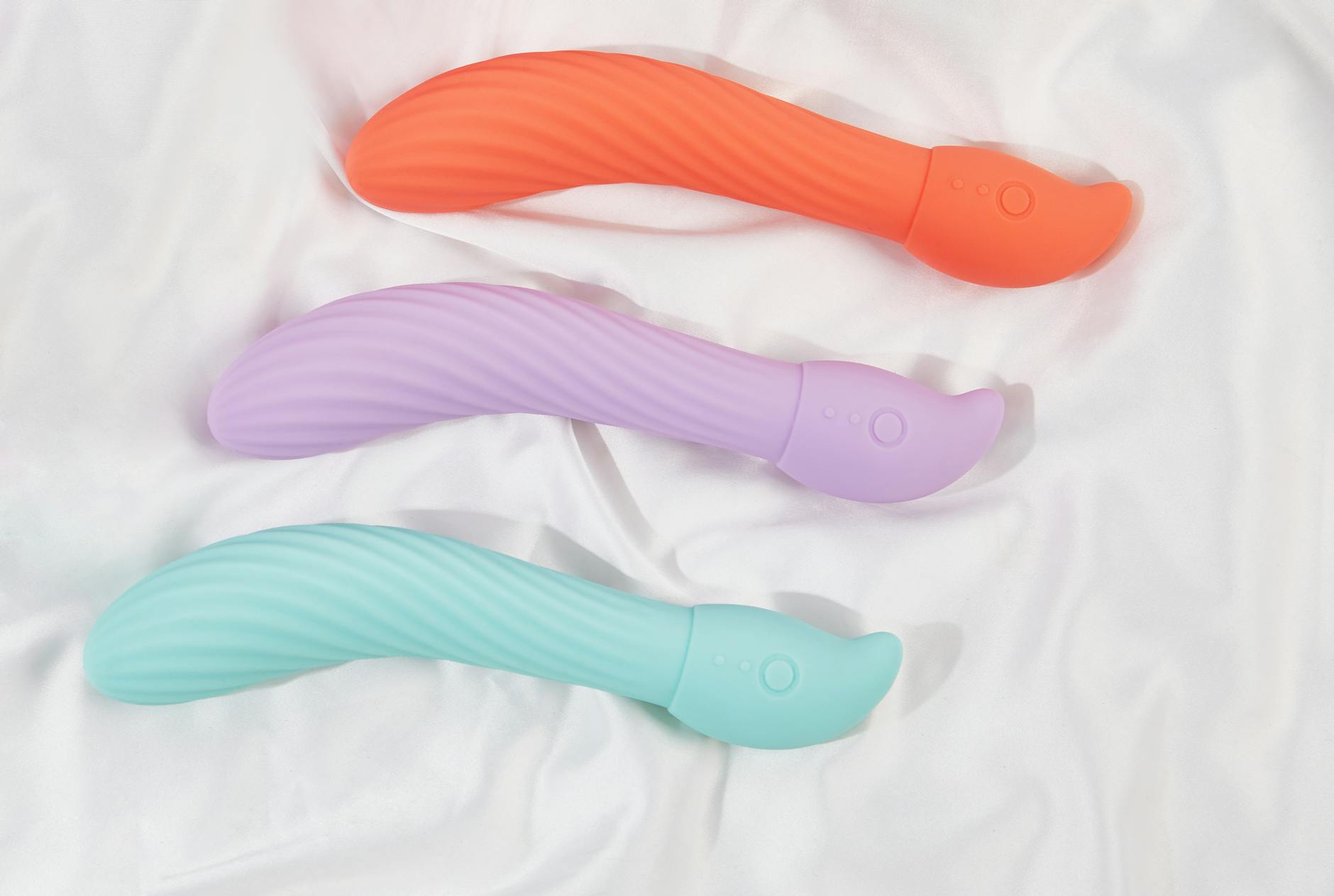
The skepticism isn't personal
Your partner thinks you want a toy because they're not enough. They're worried it means you're not satisfied, that you're fantasizing about someone else, or that they'll never measure up to silicon. None of that is true. But here's the thing: that fear is real for them, and pretending it doesn't exist only cements it deeper.
I've worked with hundreds of couples navigating this exact tension. The moment someone brings home a lemon vibrator or any clitoral vibrator, the partner often hears an unspoken criticism. The emotional charge that toy carries isn't about the toy itself. It's about vulnerability, comparison, and the terror that they're not enough.
The good news: that conversation, done right, can actually deepen trust. Not because you've convinced them toys are fine. But because you've proven that talking about hard things together is possible.
Why the resistance happens
There are usually three layers underneath partner skepticism.
First, there's cultural inheritance. We grow up in a world that tells men their role is to provide pleasure and women's role is to receive it. A toy disrupts that script. If your partner learned that "real" sex means their penis or fingers or mouth is all you need, then suddenly introducing a lemon clitoral vibrator feels like evidence that they've failed at their assigned job.
Second, there's porn logic. Most people's only reference for toys comes from pornography, where they're either props for performance or proof of inadequacy. Real life looks different. A lemon vibrator isn't a replacement for your partner. It's a tool that can make solo pleasure faster, partnered pleasure more intense, or both of you more aware of what actually works.
Third, there's shame. If your partner grew up in an environment where sex or pleasure was framed as dirty, secretive, or dangerous, then a toy isn't just a sex thing. It's a symbol of how weird or perverted one or both of you might be. That shame doesn't disappear because you say "it's totally normal." It softens when shame gets witnessed by another person without judgment.
The conversation that doesn't work
Let me be direct about what to avoid.
Don't lead with the toy. Pulling out a lemon vibrator and saying "I got this, wanna try?" is asking them to process their fear in real time while also being sexually available. That's not fair. Don't frame it as your idea. Saying "I read this thing about how toys make sex better" puts the burden on them to be open to internet advice they never asked for. Don't position it as a solution to a problem they didn't know existed. If you say "I thought this would help me come faster," they hear "coming with you takes too long."
Don't compare it to other partners. Anything that hints at "my ex used to do this" will be weaponized against you and against the conversation.
Don't make it a surprise. If you've been thinking about bringing a clitoral vibrator into partnered sex and they don't know, the fantasy in your head is not their permission.
What actually works
Start by separating the conversation from the sex. Don't bring this up in bed. Bring it up over coffee or during a car ride, somewhere neutral where they can't feel trapped and you both have an exit if needed.
Use the word "curiosity." Say something like: "I've been curious about exploring my pleasure in a new way, and I want to talk to you about it first." Curiosity is not a threat. It's not a critique. It's genuine.
Then tell the truth about what you want, not what he's failing at. "When we have sex, I sometimes need more consistent stimulation to come, and I think a toy like a lemon vibrator could help me get there faster. That doesn't mean anything is wrong with what we're doing. It means I want to know my own body better." That's information. That's not rejection.
Give him space to react. He might feel defensive, worried, or genuinely confused. Let him feel that. Don't rush to reassure him or convince him. Ask him what he's feeling. Listen. Don't argue with his feelings. Feelings aren't facts, but they're real, and dismissing them guarantees he'll stay protective.
If he says something like "You don't need a toy, you have me," resist the urge to explain why he's wrong. Instead, try: "I hear that you care about being able to give me what I need. That matters to me. And exploring what works for my body separately doesn't take away from that. It adds to it."
Building actual buy-in
Once he's heard you and you've heard his fear, move to the practical.
Explain how a lemon vibrator would actually work with him, not against him. If you're thinking about using it during partnered sex, describe the scenario. "I'm imagining I'd use it while you're inside me" or "While we're kissing, I'd use it to finish faster so we both get to experience orgasm together." Specificity kills fantasy catastrophes. Vagueness feeds them.
If he's still hesitant, suggest he do a little research himself. Not to convince him, but to give him agency. He might read about clitoral vibrators and realize that lemon suckers work differently than he thought. He might find out that most people with vulvas need consistent clitoral stimulation to orgasm. He might just feel less blindsided.
Offer to let him pick it out with you. Some partners feel less threatened when they have a hand in the decision. Browsing Hello Nancy together, looking at lemon clitoral vibrators and discussing which one feels right, can shift the dynamic from "you want this" to "we're exploring this."
Make the first time low-pressure. Don't build it up as a big sexual event. The first time you use a toy with your partner might be awkward. You might giggle. It might take longer to come because you're both adjusting to the newness. That's fine. That's normal. Tell him that going in.
What often happens next
Here's what I've seen repeatedly in my practice: partners who were skeptical become the ones most interested in figuring out how to use a toy together. Once someone gets over the shame barrier and tries it, they often see it as collaborative rather than competitive.
The person with the toy gets more pleasure. That pleasure becomes visible to their partner. And suddenly, the partner realizes this isn't about them being replaced. It's about their partner having an orgasm. That's it. That's the whole thing.
Many couples tell me that conversations about toys led to conversations about desire, pleasure, what they actually want, what they've been too shy to ask for. The toy became a permission structure to talk about sex differently.
That doesn't mean every skeptical partner becomes enthusiastic. Some stay neutral. Some prefer not to be present when you use one. That's okay. The goal isn't enthusiasm. The goal is informed consent and no longer keeping a secret.
When resistance stays resistance
If your partner continues to refuse even after a genuine conversation where they've been heard, you get to make a choice. You can respect their boundary. You can also acknowledge that respecting their boundary comes with a cost to your own pleasure.
Some couples find a middle ground: solo use, not partnered use. You use your lemon vibrator on your own time, and you don't bring it into bed with them. That works for some people. Others find that splitting pleasure that way reinforces the shame.
If the resistance is really about control or about preventing you from knowing your own body, that's a relationship issue bigger than a toy. That's worth exploring with a therapist.
But most of the time, resistance softens when it's met with patience and truth. Your partner isn't wrong to have feelings. You're not wrong to want to explore. You're both just scared. And that's a thing you can work through together.
FAQ: Partner Skepticism and Toys
What if my partner thinks the lemon vibrator means I'm not attracted to him anymore?
That fear shows up because vulnerability and attraction got tangled in his mind. Separate them. "My attraction to you and my pleasure aren't connected in that way. I can be turned on by you and still want to explore my own body. Those things coexist." Show him through your actions. Use the lemon vibrator in partnered sex where he's involved and can see you enjoying it. That visibility often dissolves the fear faster than words.
How do I introduce the idea if we've never talked about toys before?
Don't jump straight to the toy. Start with pleasure. "I've been thinking about how we could both feel more satisfied in bed. I'd love to explore some options." Once that conversation is open, toys become one option among many. Framing it as part of a broader curiosity about pleasure together feels less like a solo agenda.
What if he wants to use a toy on me but I wanted to use it myself?
Tell him that. "I really appreciate that, and I also want to figure out what works for my body first, on my own. Once I understand that, we can explore using it together." You get to have preferences about how you're touched, even if those preferences initially exclude him. That's not rejection. That's self-knowledge.
Can using a lemon vibrator actually improve our sex life together?
Yes, but not because the toy is magic. It improves things because you'll likely come faster and more reliably, which means more pleasure for you and less pressure on your partner to be the sole source of your orgasm. You'll also have had a real conversation about desire and pleasure, which almost always deepens connection. The toy is secondary to that.
What if he agrees but then acts uncomfortable or resentful during sex?
Stop and check in. "I'm noticing this doesn't feel good for you. Let's pause." Don't push through his discomfort. It will only reinforce the belief that he was right to worry. Instead, revisit the conversation. Maybe he agreed too fast. Maybe he needs more time. Maybe he needs a different arrangement, like solo use instead of partnered use.
Is there a best lemon vibrator to introduce to a skeptical partner?
Yes, actually. Start with something that doesn't look aggressively clinical or intimidating. A lemon clitoral vibrator like the Lem looks less like traditional sex toy imagery and more like a design object. That small shift in aesthetics can make the skepticism feel less warranted. Something that looks beautiful and intentional rather than explicit can ease the shame barrier on both sides.
The real work
Introducing a toy to a skeptical partner isn't about the toy. It's about proving that you can have a hard conversation, hear each other's fears, and move forward anyway. It's about showing your partner that pleasure isn't zero-sum. That your satisfaction doesn't diminish theirs.
Most resistance dissolves not because someone gets talked into being cool with toys, but because the conversation itself becomes evidence that you're both willing to be uncomfortable for the sake of connection.
If you want support navigating this conversation or any relationship dynamic around pleasure and intimacy, reach out. That's what I'm here for. Contact Hello Nancy at /contact and let's work through this together.