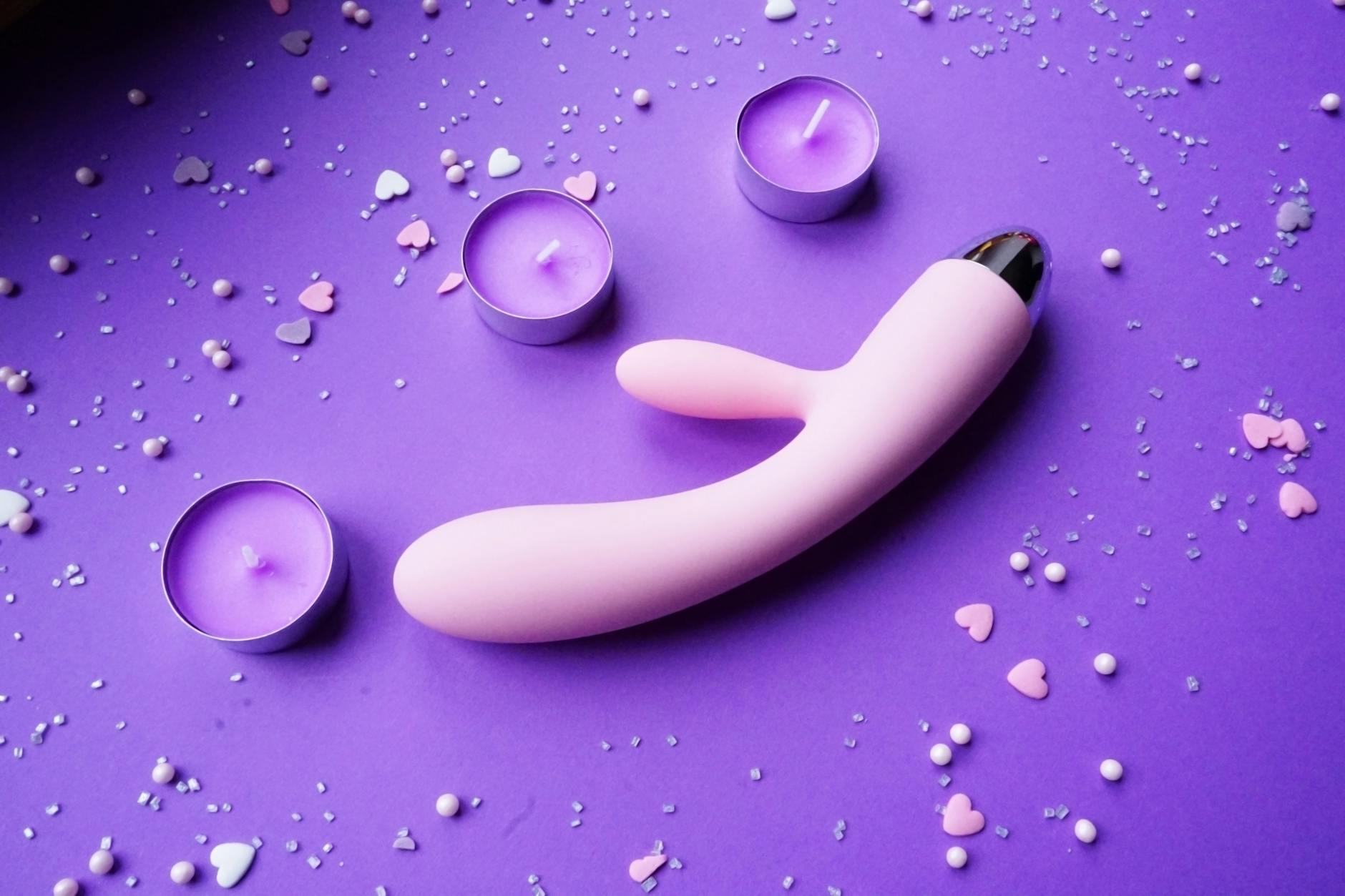
Here's what stops most people
You want to bring a lemon vibrator into your shared life, but the conversation feels loaded. What if they think you're not satisfied? What if they feel replaced or inadequate? What if it kills the mood before you even start?
I've worked with hundreds of couples on this exact transition. The thing that actually kills the mood isn't the vibrator. It's silence, surprise, or feeling like it's a critique wrapped in silicone.
The difference between "good timing" and "bad timing"
Timing is not about when you're in bed. That's the worst time to introduce the idea. Timing is about choosing a moment when you're both calm, clothed, and have actual space to talk without the pressure of performance.
Good timing:
- A quiet evening at home, maybe over coffee or a drink
- After a conversation where intimacy has already felt good (not after a dry spell or after sex has felt disconnected)
- When neither of you is stressed about work, kids, or family drama
- A moment when you genuinely feel connected to your partner in other ways
Bad timing:
- During sex or immediately before
- When you're already frustrated about your sex life
- Right after they've expressed insecurity about anything
- When they're tired, stressed, or distracted
Bad timing doesn't mean a bad outcome. It just means unnecessary friction.
How to actually start the conversation
Forget the therapy-speak opening. You don't need to say "I'd like to discuss expanding our intimate toolkit." Just be honest.
Here are three real openers that work:
"I've been curious about trying something new together. Can we talk about it?" This signals it's a shared experiment, not something you've been secretly wanting.
"I read something that made me think about our sex life in a good way. Want to hear it?" This frames it as inspired, not desperate.
"I want to feel closer to you, and I think exploring this together might help." This centers the actual goal: connection, not just stimulation.
Then say what you're actually thinking. A lemon vibrator works differently than your hand or mouth. It's not better or worse. It's a different kind of sensation, and you're curious what it would feel like together.
Stop there. Let them respond.
What your partner might worry about (and how to actually address it)
"Does this mean I'm not enough?"
No. And the proof isn't more reassurance. The proof is that you brought it up as something to do together, not something you want to do alone. You're not replacing them. You're expanding what you do as a team.
If you're only interested in using it solo, that's fine, but tell them that directly. Secrecy or evasion creates the actual problem.
"Will it hurt?"
If they have a vulva, maybe they're worried it's too intense. Clarify: a lemon vibrator is designed for clitoral pleasure, not penetration. It's external, skin-to-skin contact. The intensity is adjustable. You start slow.
If they have a penis, they might worry it feels emasculating. It's not. A clitoral vibrator has nothing to do with their role or their performance. It's about their partner's pleasure, which has never had anything to do with their ego.
"Will it change everything?"
Yes, and no. It will change the sensation. It won't change your attraction to them or your desire for them. It's an addition, not a replacement. Many couples find that knowing their partner is getting fuller pleasure actually improves connection.
The first time you use it together
Expectations are the enemy of good sex. So manage them.
You might not orgasm the first time. You might feel awkward with them watching. They might feel awkward. You might laugh at an unexpected sensation, or at the whole situation, which is completely fine.
Here's what I tell couples:
Start with clothes on, or at least not mid-sex. Let them see how it works. Show them the intensity levels. Let them hold it for a second (with clothes on) so they understand it's not some alien object. Treat it like you're both learning, because you are.
When you do use it together for pleasure, keep the conversation light. "This feels good" is enough. You don't need to narrate your experience like a sports commentator.
If it's not mind-blowing the first time, that's normal. Your body might be tense because you're self-conscious. Your mind might be spinning about whether they're enjoying watching. That's friction, and it usually resolves in one or two sessions.
The conversation about solo use
Using a lemon vibrator alone is different from using it together, and it's worth naming that.
Some couples find it helps to know that solo pleasure is part of the relationship too. Others feel territorial about it. There's no right answer here. But silence creates resentment.
You might say: "I'd like to use this sometimes when I'm alone. It's a way for me to understand my own body better, and it makes me feel more confident in our sex life together." That's the truth for most people, and it usually lands well.
If your partner gets upset about solo use, that's worth exploring separately from the vibrator conversation. That's about trust, boundaries, or insecurity that existed before the lemon vibrator showed up.
When one partner is hesitant or refusing
Honestly? Some people aren't ready. They might need more time, more context, or more reassurance. And they might never come around, and that's their right.
What you can do:
- Separate the "I want this" from the "I need this." Be clear about which it is.
- Let them set the pace. If they're not ready to use it together, they might be open to you using it alone.
- Check in about what the actual resistance is. Is it about the vibrator, or is it about something deeper in your sexual relationship?
- If it's a deeper issue, consider working with a couples therapist. A good one can help you both feel heard without anyone defending their position.
What you shouldn't do: Hide it, sneak it, or resent them for their boundary. That poisons everything.
Why this matters beyond the bedroom
Using a lemon vibrator with a partner isn't really about the device. It's about your ability to ask for what you want, to be vulnerable about desire, and to collaborate on something that matters to both of you.
Couples who can have this conversation usually find that it spills over. They get better at asking for other things. They feel less alone in the relationship. They remember that they're on the same team.
The clitoral vibrator is just the excuse to practice that.
Common questions couples ask
Should I hide it if they're uncomfortable?
No. Hiding creates distance and erodes trust. If you need it and they don't want to be involved, that's a conversation to have, not a secret to keep. Compromise exists: you use it solo, they don't ask questions, you both move forward.
What if they want to use it on me but I'm not ready?
That's fine. You can say: "I appreciate you wanting to. Can we take this slower?" and then clarify what slower looks like. Solo exploration first. Then together, but you holding the lemon vibrator. Then them using it on you when you're ready. There's no rush.
Will using a vibrator desensitize me?
No. Your body adapts, but not in a way that removes pleasure. You might need different stimulation in the moment, but that's not damage. That's information.
Is it normal to prefer the vibrator over partnered sex?
Yes. Sometimes. A lemon vibrator is reliable and consistent in a way a partner can't always be. If you find yourself always preferring it, that's worth exploring together. But occasional preference? Completely normal and nothing to feel guilty about.
What if we tried it and it felt weird?
Weird is fine. Weird usually means something was slightly off. Wrong angle, wrong timing, wrong expectation, or just genuinely not your thing. You can say so. You can try once more with different conditions. Or you can decide it's not for you. All of those are okay.
The thing nobody tells you
Introducing a lemon vibrator to your partnership is less about the device and more about what it means: you're willing to be curious. You're willing to ask for pleasure. You're willing to risk rejection in the name of connection.
That kind of vulnerability, done right, actually deepens a relationship. Even if the vibrator never makes an appearance again.
But I'd bet it will.