The shift that nobody warns you about
Here's the honest part. Arousal after 50 doesn't work the same way it did at 30. It's not slower just because you're older. It's slower because your body is literally different. Hormones shift. Blood flow patterns change. Neural sensitivity recalibrates. And the response time gets longer, which feels frustrating until you understand that it's not a failure. It's a recalibration.
I see this constantly with my clients over 50. They describe it like this: "I want to want it. I just don't feel that instant spark anymore." That's not loss of desire. That's a change in how desire builds. And that distinction matters because it changes what actually helps.
Why arousal takes longer now
Three physiological shifts happen after 50, especially for people with ovaries:
First, estrogen and testosterone both drop. These hormones don't just affect tissues. They affect your brain's arousal response. Lower testosterone means the initial "pull" to want sex is quieter. Lower estrogen means blood vessel response is slower. Taken together, you're looking at a 15-20 minute warm-up period instead of a 2-minute one.
Second, your pelvic floor changes. It loses the elasticity that estrogen provided. This means sensation shifts. It doesn't disappear. It relocates. For many people, this actually makes clitoral sensation sharper and more concentrated, which is why clitoral vibrators like the Lem become more effective, not less.
Third, your nervous system prioritizes differently. After 50, most people are less responsive to generic stimulation and more responsive to context. That means arousal after 50 is actually more dependent on emotional safety, mental clarity, and presence than it was at 30. This isn't a bug. It's a feature you can use.
What lemon clitoral vibrators do differently for you now
Lemon vibrators, like the Lem, work in a specific way. They use air-suction technology instead of vibration. Here's why that matters for people over 50:
With a standard vibrator, you're relying on direct friction against tissue that's thinner and less elastic now. That can feel intense in a way that's uncomfortable, or numb in a way that's frustrating. With a clitoral suction vibrator, you're creating a gentle vacuum that pulls on the clitoris without friction. That's different. It's less about intensity and more about consistent stimulation to a very specific area.
For arousal that's slower to build, this is helpful because suction vibrators reach the clitoris faster than friction-based stimulation. They bypass the need for extended foreplay with a partner. You can reach climax in 10-15 minutes instead of 30. That's not less pleasure. That's efficient pleasure. And honestly, efficiency matters when you're managing work stress, aging parents, and a changing body all at once.
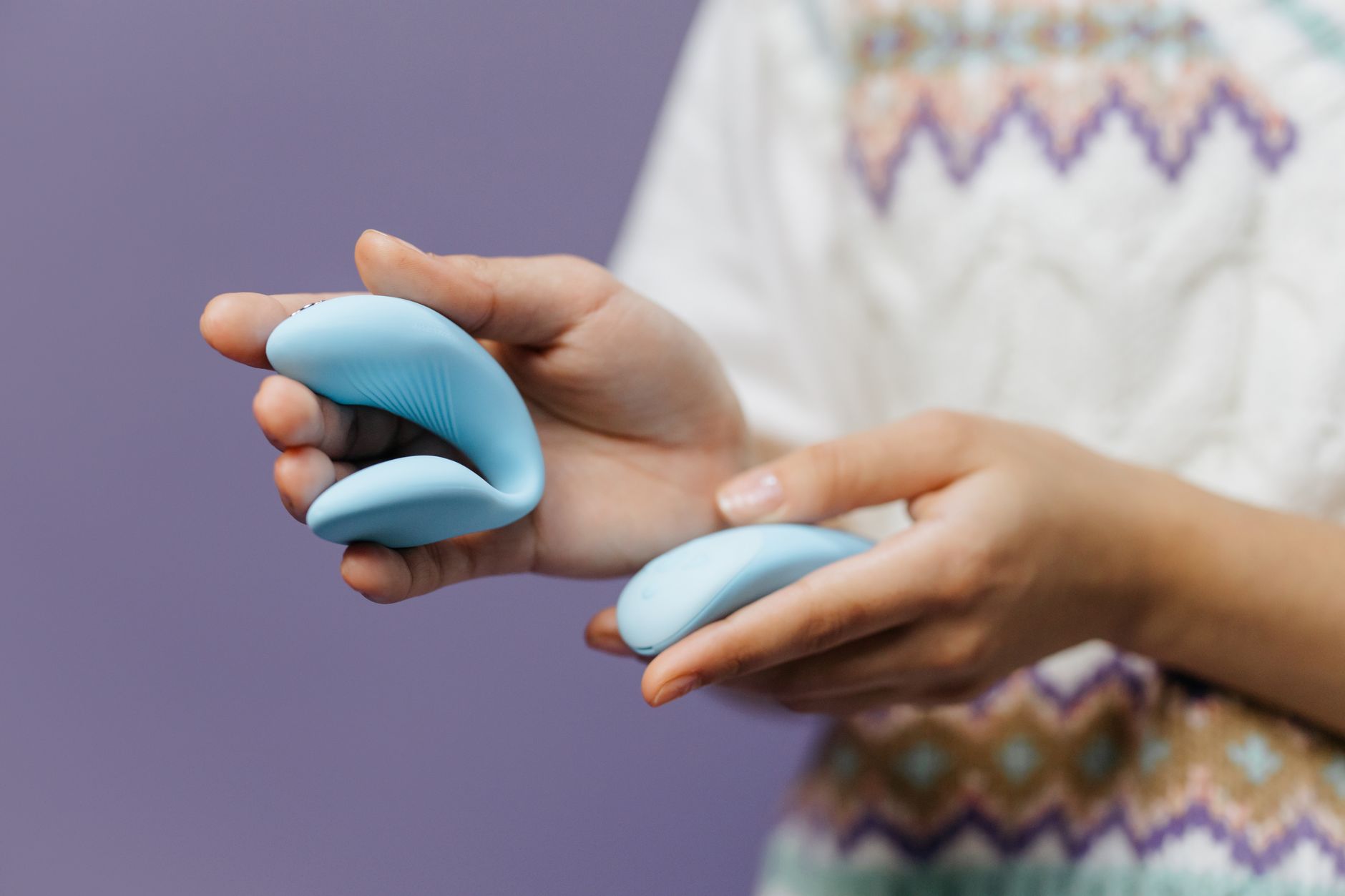
Photo by cottonbro studio on Pexels
The warm-up strategy that actually works
Forgot the advice about "just adding more foreplay." That's not wrong, but it's incomplete. Here's what actually shifts:
Your arousal now needs mental setup, not just physical touch. That means spending 5-10 minutes before you even reach for a vibrator doing something that builds context. That could be reading something sexy. Taking a bath. Having a conversation with your partner about what you want. Thinking about a fantasy. Honestly? A lot of my over-50 clients report their best orgasms come after 15 minutes of mind-wandering time before they even start physical stimulation.
Once you're mentally settled, use the lemon vibrator on the lowest settings first. Your clitoris is more sensitive now, not less. That sensitivity just reads differently because the tissue is different. Start at pattern 1 or 2. Spend 3-5 minutes there. Let your body wake up. Then move to pattern 3 or 4. Most people find their sweet spot between patterns 3-5, where stimulation is steady but not overwhelming.
The key difference from using a lemon clitoral vibrator at 30 is patience. You're not racing toward orgasm. You're moving at the pace your body actually moves now. And because your body is more attuned to context and consistency, slower actually feels better.
When to adjust technique
If you've been using a lemon vibrator for a few sessions and it feels numb or too intense, here are the adjustments:
First, try a different angle. Your clitoris may be more responsive to pressure from the side or from above, not straight-on contact. Move the Lem around and notice what pattern of sensation actually builds arousal. It might not be what worked at 30.
Second, add water-based lube around the area, even though you're not using penetration. Lube changes how suction feels. It creates a better seal and can actually reduce the numbness feeling. Water-based is key because silicone lube can degrade the toy over time.
Third, extend your warm-up time even more. Some people over 50 need 20-30 minutes of mental and light physical stimulation before the clitoris even "wakes up." That's not abnormal. That's your new rhythm.
If pain appears instead of pleasure, stop immediately. Genitourinary syndrome of menopause (GSM) is real, and a topical estrogen cream from your doctor can change everything in weeks. Don't power through. Get support.
The pleasure part nobody talks about
Here's what I see consistently with clients over 50 who adapt their approach: their orgasms often get stronger, not weaker. The sensation is different. It's less like fireworks and more like a deepening wave. It lasts longer sometimes. It's more centered in the clitoris and pelvic floor rather than a full-body response. And for a lot of people, that's actually more satisfying.
Why? Because after 50, you've usually stopped performing sex and started experiencing it. You know your body. You're less self-conscious. You've usually stopped caring whether you come in five minutes or 20. That mental shift alone changes everything. Combined with the right tool, like a lemon suction vibrator, arousal that feels "harder to reach" actually just means arousal that you reach differently. Deeper. Slower. Honestly more intentional.
If you're using a partner
This matters. After 50, arousal often depends heavily on feeling emotionally present with a partner, not just physically stimulated. If you're using a lemon vibrator together, the conversation beforehand is as important as the vibrator itself. Tell your partner: "My arousal works differently now. That's not about you. This is about what my body actually needs." Then show them. Use the vibrator. Let them see what brings you pleasure. That transparency often rekindles interest for both of you because it removes the guessing game.
Many of my clients report that introducing a clitoral vibrator after 50 actually improves their intimate connection because it removes pressure and adds clarity. Suddenly both people know exactly what's working. That's a gift at any age, but especially after 50.
Building your routine
Don't treat the lemon vibrator as something you reach for only during partnered sex. Use it solo first. Get comfortable with it. Notice what settings feel good, what angles work, what time of day you're most responsive. Most people find they have a window where arousal comes easier. For some it's morning. For others it's after they've had coffee or after a walk. Build your routine around that window, not against it.
Once you know your patterns, you can integrate the vibrator into partnered sex intentionally. You're not adding it because something is broken. You're adding it because you now know what actually works.
FAQ: Arousal after 50 and lemon clitoral vibrators
Why do lemon sexual toys feel different after 50 than they did before?
Your clitoral tissue is thinner and less elastic after 50, and your overall arousal response is slower. Lemon clitoral vibrators work with those changes rather than against them. The suction technology is gentler on thinner tissue and the sensation profile changes. Some people find them more effective after 50, not less, because the consistent suction reaches the clitoris more directly than friction-based vibrators.
Is it normal for arousal to take 15-20 minutes to build after 50?
Completely normal. This isn't a medical problem. It's a physiological shift from hormone changes and blood flow changes. Your arousal isn't broken. It's just operating on a different timeline. Accepting that timeline and working with it, rather than fighting it, actually makes pleasure easier, not harder.
Can I use a lemon vibrator every day, or will I become numb to it?
You can use it daily without building tolerance, though most people find 3-4 times per week is their natural rhythm. If you do feel numbness developing, it's usually because you're using it at too-high intensity or for too long. Go back to lower patterns and shorter sessions. Your body adapts to pressure, not to the vibrator itself.
Should I be using water-based or silicone lube with my lemon vibrator?
Water-based only. Silicone lube will degrade silicone toys over time. Water-based lube actually improves the suction sensation for many people over 50 because it creates a better seal and reduces friction, which can feel more comfortable on sensitive tissue.
Does using a clitoral vibrator mean something is wrong with my body?
No. Using a tool to reach pleasure you want to reach is not a sign of dysfunction. It's practical. After 50, most people's bodies respond better to direct, consistent stimulation than to variable partner-provided touch. That's not a problem. That's information you can use to get what you actually want.
What if I've lost interest in sex entirely, not just arousal speed?
That's a different conversation from arousal speed. Complete loss of desire can signal depression, relationship issues, medication side effects, or hormonal imbalance. A doctor or therapist can help you sort through that. But if you still want pleasure sometimes and just notice arousal takes longer, that's what lemon vibrators are actually designed for.
The real shift
Arousal after 50 isn't harder to reach because you're broken. It's harder to reach because your body is different, and most of the tools and advice out there are designed for bodies under 40. Once you get a tool that matches your actual physiology, like a lemon clitoral vibrator, and once you accept the timeline your body actually moves on, pleasure becomes not just possible but sometimes more satisfying than it ever was.
Your pleasure matters at 50. It matters at 60. And your body isn't failing you by changing. It's just asking you to pay attention to what actually works now. That attention is worth it. If you're noticing shifts in arousal after 50 and want to explore what works for your body, reach out. That's exactly what I'm here for.