Here's the thing nobody tells you about antidepressants and sex
Your medication is working. Your mood is stable, your anxiety is lower, you're sleeping better. And then you notice that arousal feels like it's happening in slow motion. Your body needs more time to warm up. Orgasms feel further away. It's not that you've lost the ability to feel pleasure. It's that the pathway to pleasure has gotten longer.
This is real. SSRIs and SNRIs are notorious for delayed arousal and anorgasmia, and it affects somewhere between 40 and 60 percent of people taking them. But here's what also matters: it's not permanent, it's not a reason to stop your medication, and it's absolutely workable with the right approach.
I've worked with countless clients navigating this exact tension. The guilt of wanting your medication to work AND wanting to feel pleasure is real. You don't have to choose between them.
How antidepressants actually affect arousal
SSRIs (selective serotonin reuptake inhibitors) like sertraline and paroxetine work by keeping serotonin circulating in your brain longer. That's great for mood regulation. The problem is that serotonin also dampens dopamine and norepinephrine in the sexual response system. Arousal requires that dopamine spike. Antidepressants can delay it or diminish it.
What happens physiologically is that your body takes longer to register stimulation as "arousing." The nerves that should be lighting up take longer to respond. The blood flow that creates engorgement comes more slowly. It's not that the sensation is gone. It's that it needs more input, more time, more direct contact to build.
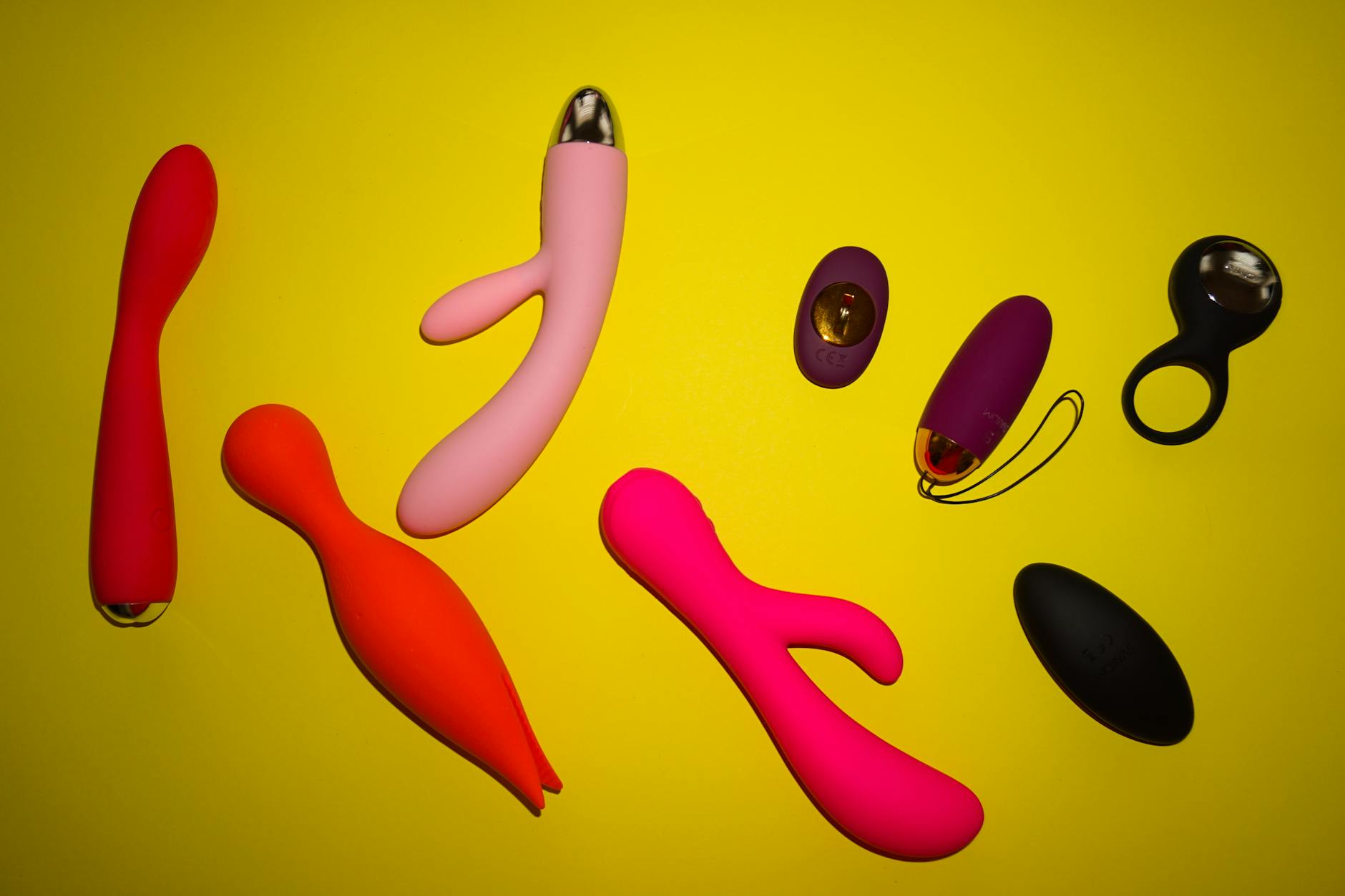
This is where lemon clitoral vibrators become genuinely useful. They're not a workaround or a consolation prize. They're a tool designed for exactly this problem.
Why lemon vibrators work differently on antidepressant-altered arousal
Most clitoral vibrators use rumbly, diffuse vibration that stimulates a wider nerve network. It's pleasant, but when your body is slower to register sexual signals, you need something that can deliver concentrated, unmissable stimulation directly to the most sensitive tissue.
Lemon clitoral vibrators use suction and gentle pulsing rather than buzzing. The mechanism means the stimulation is:
Focused. The suction isolates the clitoris and creates sensation that doesn't require your brain to search for what's happening.
Progressive. You can start at low intensity and gradually increase. Most lemon sucker toys have settings 1 through 10, so you're not choosing between "nothing" and "overwhelming."
Consistent. Unlike a partner's hand, which varies in pressure and rhythm, a lemon vibrator delivers the same signal repeatedly. Your nervous system doesn't have to keep relearning what it's feeling.
When arousal is sluggish, this consistency is gold. Your body can settle into the sensation instead of constantly re-evaluating it.
The warmup timeline you actually need
Here's where most people trip themselves up. Without antidepressants, you might need 5 to 10 minutes of foreplay to feel ready. On SSRIs, that often stretches to 20, 30, sometimes 45 minutes. And instead of accepting that, people blame themselves or their bodies.
Your body isn't broken. It just has a longer warm-up. Budget for it.
Start with a lemon vibrator on setting 1 or 2. Spend 10 to 15 minutes just building sensation without any pressure toward orgasm. The goal isn't to come. The goal is to teach your nervous system that this is happening. Most people find that after 15 minutes on low, arousal starts to build noticeably. Then you can increase intensity as it feels right.
The beautiful part: once arousal does kick in, it often stays. It's that initial climb that's slow, not the full experience.
Managing it alone versus with a partner
If you're exploring solo, you have complete freedom to take as long as you need. No performance pressure, no one else's timeline. This is actually the best way to relearn your body after medication changes, because you can focus entirely on sensation.
With a partner, the conversation matters. "I need more time now" isn't a complaint about them. It's information. A good partner will understand that your medication is helping you mentally and that your body just needs more buildup. If that partner is willing to engage with a lemon vibrator together, even better. Many couples find that incorporating one actually deepens the experience because there's less pressure on penetration or manual stimulation to "work."
One phrase that helps: "I'm not struggling. I'm just slower. It's a different tempo, not a problem."
Combining it with your medication conversation
Some antidepressants are worse for sexual side effects than others. Sertraline and paroxetine have higher rates of delayed orgasm. Escitalopram and citalopram are sometimes gentler. But here's the key: you don't have to switch medications to manage arousal changes.
If you do want to discuss it with your doctor, the conversation isn't "my medication is ruining my sex life." It's "I've noticed arousal takes longer now, and I'm looking for strategies." They might suggest timing doses differently, adding bupropion (which actually enhances dopamine), or adjusting timing around when you're expecting sex. Or they might just confirm that this is normal and workable, which it is.
Most importantly: staying on an antidepressant that stabilizes your mental health is more important than having sex exactly the way it was before. You're not choosing between your wellbeing and your pleasure. You're solving for both.
What speeds things up (besides the vibrator)
Four things work together with a lemon clitoral vibrator to rebuild arousal:
Longer foreplay. 20 to 30 minutes instead of 10. Start the vibrator early in your session, not as a last resort.
Narrative arousal. What are you thinking about? Fantasy, reading erotica, or having your partner narrate something you like can help bridge the gap while your body catches up.
Reduced pressure. Knowing that orgasm might take 30 minutes instead of 10 actually makes it happen faster, because anxiety kills arousal. Let go of the timeline.
Lubrication. Water-based lube makes sensation clearer and reduces any friction that might feel uncomfortable when you're building arousal more slowly.
None of these are workarounds. They're all legitimate parts of a full sexual experience. You're not "making up for" anything. You're adapting.
The timeline for things improving
Here's what usually happens: in the first two to four weeks of using a lemon clitoral vibrator alongside a longer warmup, arousal starts to feel more accessible. Your nervous system starts anticipating the sensation. By month two or three, many people notice they're needing slightly less time to build, though it may never snap back to pre-medication speed. That's okay.
Some people also find that after six months or a year, their body adapts a bit more. Sensitivity doesn't fully return, but the pathway becomes more familiar. Your brain and body develop a new pattern.
You're not waiting for antidepressants to "wear off" or for your body to "return to normal." You're building a new normal that includes both your mental health medication and your ability to feel pleasure.
The pleasure is still there
One thing I hear repeatedly from clients: "The orgasm, when it comes, still feels really good." Antidepressants might delay arousal, but they don't necessarily reduce the intensity of orgasm itself. Once you're in that space, sensation is sensation. A lemon sucker helps you get there.
Your worth isn't tied to how quickly you get aroused. Your satisfaction isn't measured by how many minutes foreplay lasts. You deserve pleasure, and you deserve mental health medication that works. A lemon clitoral vibrator bridges those two things without asking you to compromise on either.
If you're just starting this process, remember: it's not about fighting your body or your medication. It's about understanding the new rhythm and building tools that work with it. Patience with yourself is the real warmup.
FAQ: Antidepressants, arousal, and lemon vibrators
Can you orgasm on SSRIs, or does every antidepressant prevent it?
Orgasm is still possible on SSRIs. About 40 to 50 percent of people experience some delay or difficulty, but 50 percent don't notice much change at all. The ones who do struggle almost always can reach orgasm. It just takes longer and sometimes requires more direct stimulation. That's where a lemon sucker specifically helps, because the concentrated sensation cuts through the arousal delay.
Is it better to use a lemon vibrator or ask your doctor to adjust your medication?
Those aren't either-or choices. Most sexual side effects from antidepressants are managed behaviorally first. A lemon clitoral vibrator, extended foreplay, and a longer timeline work for most people. If three months of that isn't shifting things, then a conversation with your doctor about timing the dose or trying a different antidepressant makes sense. But the vibrator is usually the first and best move because it doesn't require changing medication that's helping your mental health.
Do you have to use a lemon vibrator, or can you manage with manual stimulation or a partner?
You can absolutely manage without one. Some people do fine with a longer warmup and patient partnered sex. But lemon clitoral vibrators are specifically designed for situations where your body needs more concentrated, consistent input. If manual stimulation or partnered touch isn't getting you where you want to go in a reasonable time, a lemon sucker removes the variable of changing pressure or technique. It's consistent in a way a human hand can't be, and that consistency helps your nervous system settle into arousal.
How long should you use a lemon vibrator before you notice a difference?
Most people feel a shift within the first two to four weeks of regular use. That doesn't mean orgasm gets faster overnight. It means arousal starts to feel more accessible, like your body knows what to expect. By three months of consistent use with a longer warmup routine, many people notice they're needing slightly less time overall. The real improvement is in how natural and less forced the whole process feels.
Can antidepressant sexual side effects go away on their own?
Sometimes. About 20 to 30 percent of people experience some spontaneous improvement in the first six months of medication, as their body adjusts. Some people plateau and stay at "slower arousal" for the entire time they're on the antidepressant. Others find that it never fully goes away. The point isn't waiting for it to resolve on its own. It's building a functional, pleasurable experience with the body you have right now, medication and all.
Should you tell a partner you're using a lemon vibrator for antidepressant-related arousal changes?
That depends on your relationship structure and comfort. If you're having partnered sex, transparency about what helps is usually good. You don't need to frame it as "my body is broken and needs this." Frame it as "I've found that this helps me warm up faster, and I'd love to incorporate it with you." Many partners actually appreciate having a clear tool that works instead of wondering why things feel different. If you're exploring solo, it's entirely private.
Is delayed arousal from antidepressants permanent, even after you stop the medication?
No. Sexual side effects from SSRIs usually resolve within two to four weeks of stopping the medication, if you do decide to stop. That said, mental health stability is crucial. The goal isn't to get off antidepressants to fix your sex life. The goal is to manage both. And using a lemon clitoral vibrator while you're on the medication you need is a completely valid strategy.
Next steps
If you're navigating slower arousal from antidepressants, start here: accept that your warmup time has changed, and build tools around that new reality instead of fighting it. A longer foreplay routine and more direct clitoral stimulation work together to bridge the gap between medication and pleasure.
Your mental health matters. Your pleasure matters too. They're not in conflict, even when it feels that way. A lemon clitoral vibrator isn't a consolation prize for medication side effects. It's a tool designed for exactly this situation.
If you want to talk through strategies specific to your body and medication, we're here to help.