Let's talk about what surgery actually does to sensation
Post-surgical numbness around the genitals is wildly common and almost never discussed before you're lying in recovery wondering why everything feels muffled. Whether it's gynecological surgery, abdominal work, or any procedure involving local anesthesia in that region, nerves get irritated. Sometimes they're deliberately numbed. Sometimes they're just angry and swollen. The result feels the same: touch registers as pressure, arousal feels distant, and pleasure becomes a concept rather than a sensation.
Here's what matters to know: this numbness is temporary. But temporary doesn't mean you have to white-knuckle through months of feeling nothing. The right tool, used the right way, can actually speed up the reawakening process by giving your nervous system something to work with.
Why sensation goes quiet after surgery
Three things are happening at once. First, surgical trauma swells the tissue. Second, local anesthetics linger longer than you'd expect. Third, your nervous system is in defense mode, basically pulling back its sensors while it heals. It's protective. It's also frustrating as hell when you're trying to access pleasure.
Post-surgical nerves are also hypersensitive in weird ways. Some people report that light touch feels overwhelming while deeper pressure feels like nothing. Others say certain sensations feel totally normal while others trigger sharp, almost electrical responses. This inconsistency drives people crazy because it makes it hard to predict what will and won't work on any given day.
The clitoral nerves (the pudendal nerve and pelvic nerves, if you want the anatomy) take a little longer to fully reawaken than surface sensation. That's why you might feel touch on your inner thigh but not really register anything near the clitoris yet. It's not broken. It's just slower to come back online.
Why lemon vibrators feel different during surgical recovery
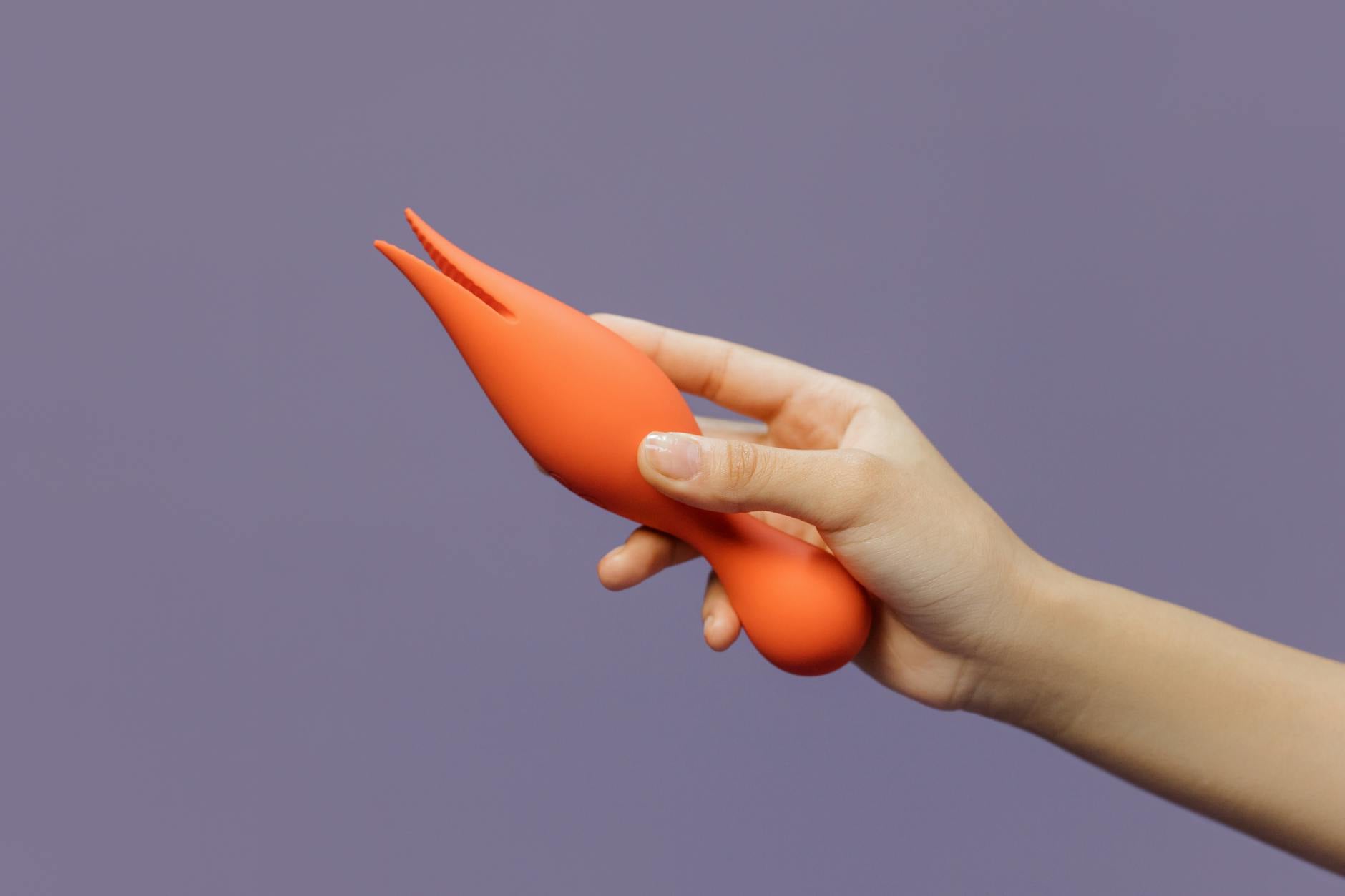
The lemon clitoral vibrator is specifically designed using air-suction technology that doesn't rely on direct friction or pressure. That matters enormously when your tissue is sensitive or numb. Here's why.
A traditional vibrator works through oscillation. It's fast repetitive movement against tissue. Post-surgical tissue either finds that overwhelming (if it's hypersensitive) or barely registers it (if it's numb). A lemon vibrator works by creating gentle suction and release cycles that stimulate the clitoral tissue without the same mechanical friction. It's like the difference between tapping someone's shoulder versus gently pulling them toward you. Different signal entirely.
The suction pattern also creates more consistent stimulation of the nerve endings that are actually firing right now, rather than asking your whole clitoris to wake up at once. You're essentially sending a clearer message to your nervous system: "Hey, we're here. We're ready to feel." Numb nerves respond better to that kind of focused, rhythmic signal than to random pressure.
A practical framework for reintroducing sensation
Start this maybe a week or two after you've been cleared by your surgeon for sexual activity. Don't start before that. But also don't wait six months. Movement and intentional stimulation actually helps nerve endings reboot faster than avoidance.
Begin with your lemon vibrator on the lowest intensity setting. You're not looking for an orgasm. You're looking for any sensation at all. Put it on for 30 seconds. Take it off. Notice what you feel. Tingling, warmth, nothing? All of that is data. Do it again tomorrow.
Over a week or two, gradually increase the session length to two or three minutes. Keep the intensity low. You might notice sensation starting to shift. Numbness beginning to lift at the edges. That's your nervous system waking up.
Once you're reliably feeling something (even if it's mild), you can start experimenting with slightly higher intensity settings. Move slowly. Your nervous system doesn't need you to go from zero to ten. It needs consistent, gentle exposure.
Managing hypersensitivity when it shows up
Some people go through a phase where their clitoris feels almost too sensitive. Like, raw. Anything touching it sends a bolt. This usually passes, but it's miserable while it's happening. If this happens to you, back off the vibrator entirely for a few days. Let the tissue calm down.
When you reintroduce it, use it away from the clitoris itself for a while. Try the inner labia. The mons pubis. Different nerve clusters, often less reactive. Your clitoris will get there.
Also experiment with lubrication. Post-surgical tissue sometimes responds better to additional lubrication even if lubrication wasn't normally something you needed. Water-based lube is your friend here. It reduces friction, which can be the difference between comfortable and too much.
The emotional part nobody talks about
Post-surgical numbness does something weird to your relationship with pleasure. It starts feeling like proof of something permanent. Like you've broken something that won't heal. You haven't. But the anxiety of not feeling what you used to feel gets tangled up with the actual physical numbness. Then you avoid trying anything at all because you don't want to feel disappointed again.
This is where the reintroduction process becomes partly psychological. Using your lemon vibrator consistently, even when sensation is still muted, tells your nervous system and your brain that pleasure is coming back. It creates evidence. You might not orgasm. You might barely feel anything. But you're building the behavioral loop that says, "This is still mine. It's not gone. It's just rebooting."
Mention this to your partner if you have one. Not as a crisis, but as real information. "My sensation is coming back slowly. I might not respond quickly. That's normal. Patience here is kindness." Partners who understand the timeline are less likely to interpret slow-building pleasure as disinterest.
When to check in with your surgeon
Numbness that's slowly improving is normal. Numbness that's not changing after two months might warrant a conversation with your surgeon. Sharp shooting pains, burning sensations, or numbness that's spreading to areas that shouldn't be affected? Definitely call.
Most post-surgical numbness resolves completely within three to six months. Some people take longer. Some feel back to normal in weeks. The timeline varies wildly based on what surgery you had and how your particular nervous system heals.
If you're several months out and nothing has shifted, you might benefit from pelvic floor physical therapy. Therapists who specialize in post-surgical recovery can do specific work to help nerves re-establish connections and desensitize hypersensitive tissue. Combined with consistent use of your lemon vibrator at home, that kind of professional support can accelerate the whole process.
A slow rebuild is still a rebuild
Honestly, the hardest part of post-surgical pleasure recovery is accepting that it's slow. You want to snap your fingers and be back to normal. Your body needs weeks. But here's what I've seen again and again: people who gently, consistently work with their sensation during recovery often find that their pleasure on the other side is actually more intentional. More aware. You learn what you like because you have to pay attention to rebuild it.
Your lemon vibrator is a tool in that rebuilding. Use it regularly. Use it when sensation is muted. Use it as your nervous system slowly, steadily wakes back up. One intensity level at a time.