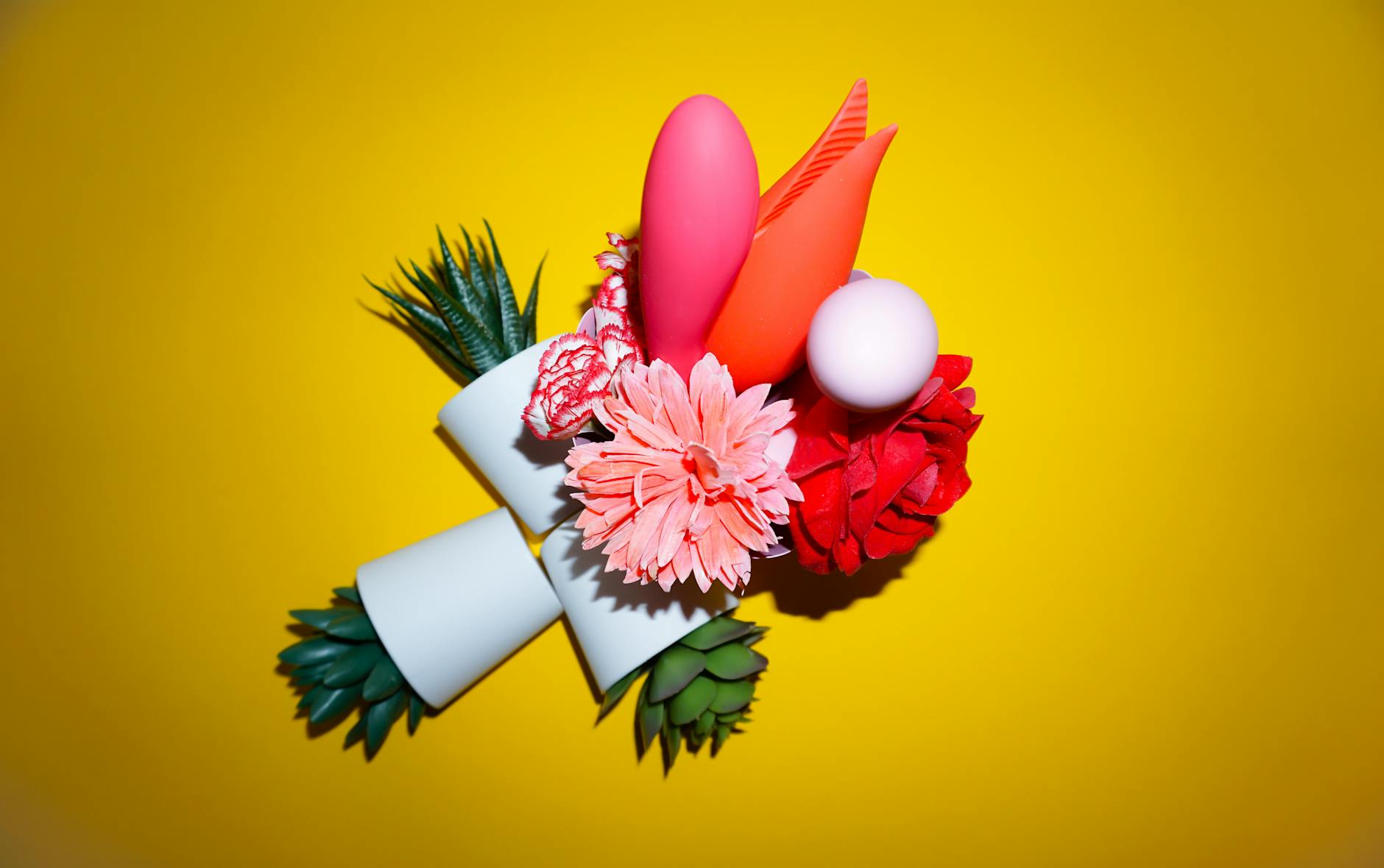
When conflict kills arousal, your body is doing exactly what it's supposed to
Let's be honest. After a really bad argument with your partner, the last thing your nervous system wants to do is get turned on. Your body has just experienced a threat. It perceived criticism, disconnection, or even just unresolved tension. So it locks down. Lubrication slows. Arousal feels distant or impossible. Desire, which might have been reliable before the conflict, vanishes completely.
This isn't broken. It's not frigidity or low libido in the clinical sense. It's your nervous system doing its job way too well.
The thing is, waiting for desire to return on its own after a rough patch can take weeks. Sometimes longer. And if you're waiting for your partner to initiate repair, or waiting to feel "ready," you might be stuck. That's where solo practice with a lemon vibrator comes in. Not as a substitute for actual relationship repair (that's separate work), but as a tool to rebuild your capacity for pleasure and slowly signal to your body that safety is returning.
Why conflict specifically tanks desire (and what you can do about it)
Arguments create what therapists call "activation." Your amygdala fires up. Cortisol spikes. Blood flow redirects away from your genitals and toward your muscles, prepping you for fight or flight. The arousal system needs the opposite: a calm parasympathetic state where you feel safe enough to be vulnerable.
After conflict, your body is in a survival state. Forcing yourself to have sex in that state often backfires. It can create resentment, numbness, or even pain. But there's a middle path: using touch and a lemon clitoral vibrator solo to slowly, deliberately rewrite that nervous system response.
Here's the neuroscience shortcut: every time you experience pleasure without pressure, your brain files it under "safe." Do this regularly, and your body starts to believe arousal is possible again. That belief is half the battle.
Starting the rebuild when you're still angry or hurt
If conflict just happened, wait. Not weeks, but 24 to 48 hours. You can't vibrate your way out of genuine hurt. You need time and some form of repair conversation first. This isn't about sex salving everything. It's about creating basic safety.
Once you've had some breathing room, here's what helps:
Step one: Practice arousal in isolation. Solo time with a lemon vibrator, no partner present, no expectation of orgasm. Use low intensity settings (patterns 1 or 2 on most lemon adult toys). The goal is sensation, not climax. Spend 10 to 15 minutes just exploring what feels good. No pressure. No timer.
Step two: Notice what your mind does. After conflict, intrusive thoughts flood in during solo touch. Your brain might replay the argument. Or spin into anxiety about the relationship. That's normal. Don't fight it. Just notice it like you're watching clouds pass. Then gently bring attention back to physical sensation.
Step three: Pair this with something grounding. Before you touch yourself, spend five minutes on something that signals safety to your nervous system. A bath. A favorite song. Breathing exercises. Something that tells your body "I'm taking care of myself right now."
How to use a lemon vibrator to rewire arousal after tension
Lemon suction vibrators work particularly well for this because they don't require direct friction. After conflict, your body is often guarded. Direct pressure can feel invasive. Suction is different. It feels more like a caress than an invasion. It meets your body halfway.
Here's a three-week arc that works:
Week one: Sensation without expectation. Use your lemon vibrator on the lowest settings. Explore the entire vulva, not just the clitoris. Notice temperature, texture, what sensations your body is drawn to. You're teaching your nervous system that touch is safe again.
Week two: Build tolerance for intensity. Slowly move to medium settings (patterns 3 to 5). You might not climax yet. That's fine. The goal is to rebuild your capacity to sustain arousal for longer than a few seconds. Most people find that after conflict, arousal dissipates quickly. This is just retraining.
Week three: Play with rhythm and pause. Use your lemon clitoral vibrator in intervals. Build, back off, build again. This is closer to how responsive arousal works with a partner. You're retraining your body to stay engaged even when intensity fluctuates.
About halfway through week two, many people notice their body starts to "remember" what pleasure feels like. Don't expect gratitude. Expect small shifts. Slightly faster arousal. A moment where you're genuinely present instead of mentally elsewhere.
The relationship repair piece (because toys alone don't fix this)
I want to be clear: a lemon vibrator is not a Band-Aid for relationship conflict. It's a tool for rebuilding your own nervous system capacity. The actual repair with your partner is separate work.
Here's what that looks like in practice. After conflict, there needs to be some form of repair attempt. This could be a conversation where you both acknowledge what happened and what you need going forward. It could be a commitment to see a couples therapist. It could be a commitment to different conflict patterns.
Without that, solo pleasure practice can feel hollow. You're rewiring your body while the actual threat (the unresolved conflict, the pattern that keeps repeating) is still there.
So use your lemon sexual toy as part of a larger strategy, not the whole strategy.
When to bring solo practice back into partnered sex
After two to three weeks of solo practice, you might feel ready to try sex with your partner again. Here's the thing: don't abandon what you've learned. Some people find that continuing solo practice alongside partnered sex actually strengthens both.
You could also try a hybrid approach. Show your partner what you've discovered about what works for your body. Use a lem vibrator together. Make it playful, not instructional.
The key is that this is your tool for pleasure. You own it. Your partner doesn't need to "replace" it or feel threatened by it. In fact, partners often love watching someone use a vibrator because it takes pressure off them to be the sole source of arousal.
What to do if desire doesn't return
If you've spent three to four weeks in this practice and arousal is still completely flat, that's a signal to pause. Sometimes low desire after conflict isn't about the nervous system being locked. Sometimes it's telling you something else: that the conflict was really serious, or that the relationship dynamic is deeply off.
This is where therapy comes in, either solo or with a partner. A therapist can help you figure out if this is about nervous system healing or about deeper incompatibility.
But most of the time? Most of the time, nervous systems heal faster than we think they will. A few weeks of intentional, pressure-free practice with a lemon clitoral vibrator is often enough to restart the cycle.
FAQ
Is it normal to feel nothing when using a lemon vibrator after a big fight?
Completely normal. Conflict activates your threat detection system. Pleasure requires the opposite state. Your numbness isn't broken arousal. It's a logical nervous system response to perceived danger. The practice is about slowly rebuilding the signal that you're safe. Numbness usually fades within one to three weeks of regular solo practice.
Can using a lemon sexual toy actually help repair a relationship?
Not directly. A vibrator is a tool for rebuilding your own nervous system and pleasure capacity. Actual relationship repair requires conversation, willingness from both partners, and often professional help. That said, when someone reconnects with their own arousal, they often feel more confident and grounded in their relationship. That confidence can create positive shifts.
How often should I use a lemon vibrator if I'm trying to rebuild desire?
Three to five times per week works for most people. More than that can become compulsive. Less than that might not be frequent enough for your nervous system to register the "safe" signal. Quality matters more than quantity. Fifteen mindful minutes is better than 45 minutes of distracted use.
What if my partner feels threatened by me using a lemon clitoral vibrator?
That's a separate conversation worth having. Some partners worry vibrators mean you don't desire them. That's usually about insecurity, not reality. You might need to explain that this is about rebuilding your own capacity after conflict, not about replacing them. If your partner is consistently threatened by your pleasure, that's a bigger relationship pattern worth addressing with a therapist.
Can I use a lemon vibrator if I still feel angry at my partner?
Yes. In fact, some people find that solo pleasure practice is a form of self-care while they're still processing anger. You're saying "my pleasure matters, regardless of what's happening between us." That can be empowering. Just make sure you're not using it to avoid the actual repair conversation.
How do I know when I'm ready to have sex with my partner again?
When you notice two things: one, you can feel arousal solo without forcing it. Two, you feel some basic emotional safety with your partner, even if things aren't perfect. You don't need to feel completely happy. You need to feel like the threat has lowered enough that your body can relax. That's the green light.
The rebuild doesn't happen in isolation
Using a lemon clitoral vibrator to rewire your arousal after conflict is powerful. But it's one thread in a larger tapestry. The other threads are communication, willingness to repair, sometimes professional help, and patience with your body's timeline. Your nervous system didn't shut down overnight. It won't rewire overnight either.
What matters is that you're taking action. You're signaling to yourself that your pleasure is worth the time and attention. That your body deserves to feel good again. That's where healing starts.
If you're working through bigger relationship patterns or finding that conflict keeps tanking your desire, reach out. Sometimes talking it through with someone trained in relationships helps clarify what's actually going on beneath the surface.