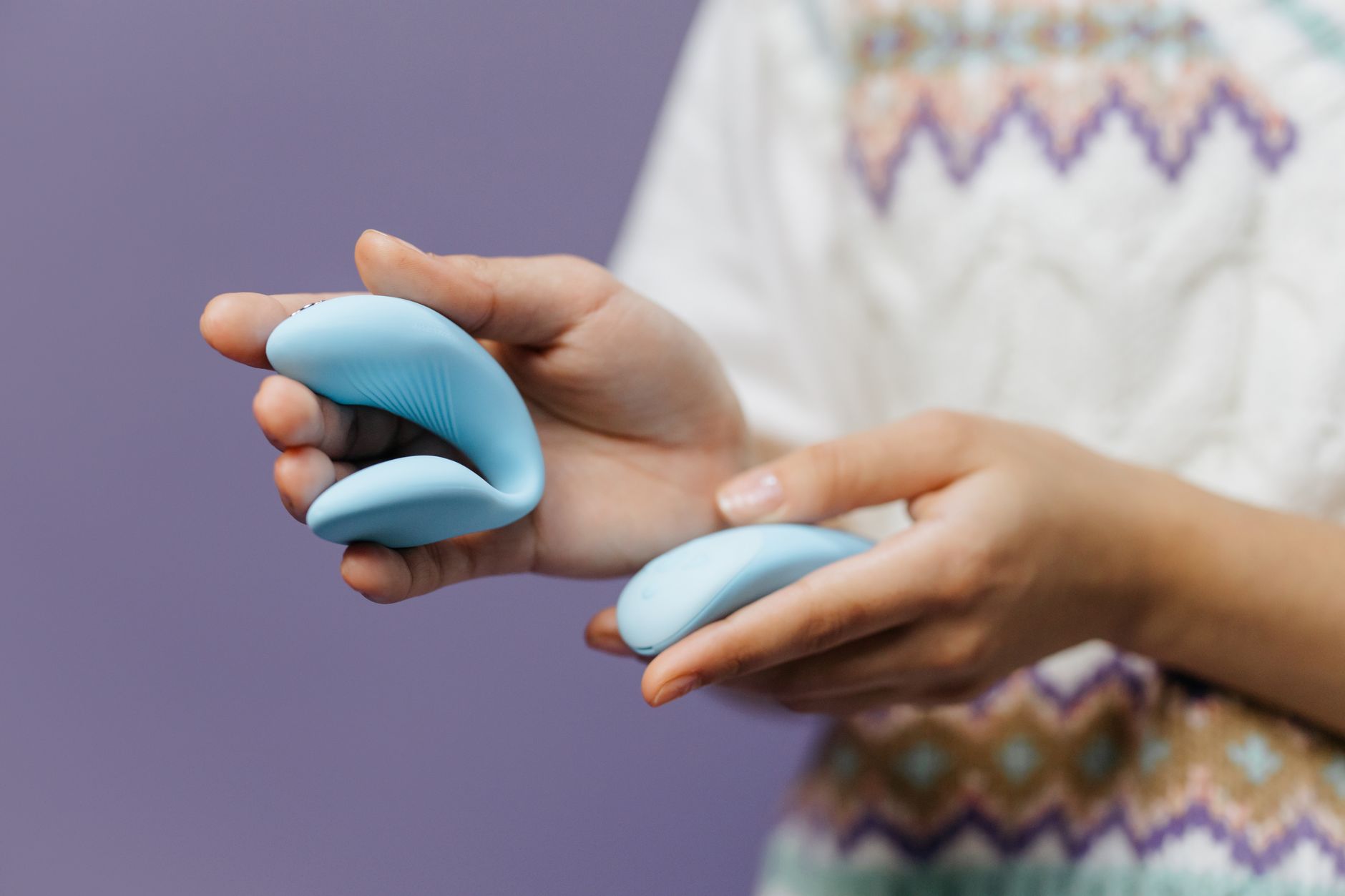
Here's the thing about pressure
Not everyone enjoys the feeling of a vibrator pressed directly against their skin. For some, it's too intense. For others, it triggers a physical sensation that feels invasive rather than pleasurable. And for people with trauma, certain touch memories, or just a nervous system that prefers lighter contact, direct pressure can shut pleasure down entirely.
The problem is that most vibrators are built on one principle: friction. They buzz against your skin. But there's another way to stimulate the clitoris that doesn't require pressure at all. It's called suction, and lemon vibrators use it to create sensation that builds from the inside out rather than pressing down from the outside in.
Why suction changes the game
Clitoral suction works differently than vibration. Instead of the toy pushing against tissue, it creates a gentle vacuum that stimulates the clitoris and surrounding nerve endings. The sensation is more expansive, less localized. Your body experiences pleasure as a drawing-in rather than a pushing-on.
This matters physiologically. When you're using a lemon clitoral vibrator, the suction pattern activates different nerve pathways than traditional vibration does. The result is often more intense orgasms with less direct stimulation. People who find standard vibrators overwhelming frequently report that lemon vibrators feel suddenly accessible.
The suction also means you're not relying on friction to build sensation. For bodies with vulvovaginal conditions, chronic pain, or just sensitive tissue that doesn't tolerate pressure well, this is genuinely life-changing. You get stimulation without the wear-and-tear feeling that comes from constant rubbing.
Who benefits most from suction-based pleasure
If you've ever felt like a vibrator was too aggressive, or if you've experienced pain from direct pressure, a lemon vibrator designed around suction is worth trying. The same applies if you have vulvodynia, vaginismus, or other chronic pelvic pain conditions. You're not broken. Your body just needs a different approach.
People recovering from sexual trauma sometimes find that suction-based stimulation feels safer because it doesn't replicate the pressure sensation of penetration or aggressive rubbing. The vacuum sensation is genuinely different from anything they've experienced before, which can reset the nervous system's fear response.
This also works beautifully for people with sensory processing differences. If you're autistic, ADHD, or just have a sensitive nervous system, the concentrated but non-pressurized sensation of a lemon vibrator often hits the sweet spot between stimulation and overwhelm.
How to start with suction technology
Begin on the lowest setting. You don't need intensity right away. The point of suction is that lower settings feel completely different than they would on a traditional vibrator. Start at pattern 1 or 2 on your lemon vibrator and explore.
Positioning matters more than with traditional vibrators. You want the opening of the toy to create a proper seal against your skin. Not airtight, just contact. The suction creates sensation naturally once you have that seal. Experiment with angles. You might prefer it directly over your clitoris, or you might find that angling it slightly feels better.
The warm-up window is shorter with suction-based toys. Because the sensation is different, your body can access pleasure faster. That said, don't skip foreplay. Use your hands or a partner's hands first. Build some baseline arousal. Then introduce the lemon vibrator, which will amplify what you've already started.
Managing intensity without pressure
One of the best features of lemon sexual toys is the range of suction patterns. You can build sensation gradually, moving from gentler patterns to more intense ones without ever adding physical pressure to the equation.
If you find a pattern that works, stay with it for a bit before moving up. Your body will adapt to that sensation, and the next level will feel noticeably different rather than just harder.
If suction ever feels uncomfortable (which is different from intense), pause. You might need a lighter seal, less contact, or a lower pattern. Your nervous system is not being difficult. It's communicating information. Listen to it.
For partners: if you're using a lemon vibrator with someone, the lack of pressure requirement changes what you need to do. You're not adding anything. The toy does the work. Your role is presence and feedback. Ask what patterns feel good. Offer foreplay. Then step back and let the vibrator handle stimulation.
When sensation builds slowly (and why that's fine)
With suction-based toys, some people experience a delayed response. The pleasure doesn't hit immediately. Instead, it builds gradually, sometimes over several minutes. This is not a sign that the toy isn't working. This is how many bodies respond to suction.
If you're used to traditional vibrators that create immediate buzzing sensation, this might feel strange at first. Give it time. The payoff is often more intense and more full-body orgasms once your nervous system acclimates.
Some people find that suction-based orgasms feel different in their body. Less genital, more dispersed. That's the nervous system activation pattern changing. It's not better or worse. It's just different, and worth experiencing.
Building your pleasure timeline
First session: explore on the lowest setting for 10 to 15 minutes. See what patterns exist. Notice what your body does. Don't aim for orgasm. Just data.
Second session: try the same patterns, or move up one level if the first felt comfortable. Again, 15 to 20 minutes. Your nervous system is learning the sensation.
Third session: you probably know what works. Extend the time if you want, or try mixing patterns.
This timeline is not dogma. Some bodies need one session to figure it out. Others need five. The point is that you're not trying to force an outcome. You're building familiarity with a completely different kind of sensation.
Lubrication and comfort
You don't need lubricant for suction to work, but many people find that a small amount of water-based lube around the opening of the toy creates a smoother seal and more comfortable sensation. Not dripping wet. Just enough that the toy glides slightly against your skin.
If you're using a lemon clitoral vibrator with a partner, lube also reduces any friction against your skin if the toy is held at an angle. Again, we're removing pressure and friction from the equation wherever possible.
What to do if suction doesn't feel right
Not every body responds to suction, and that's completely fine. You might try it and realize you actually prefer traditional vibration. You might find that suction feels good but not mind-blowing. Or you might discover that certain patterns work and others don't.
All of these outcomes are data. Your pleasure is not mysterious. It's just responsive to specific types of stimulation. If lemon vibrators designed for suction don't land for you, that doesn't mean you're broken or that suction doesn't work. It means your body has a different preference.
The beautiful part is that you now know more about what you like. That knowledge transfers to everything else you try.
The bigger picture
Pressure-free pleasure is not a niche need. Plenty of bodies experience sensitivity, trauma responses, or just a preference for sensation that doesn't involve force. For years, the default was always friction-based. Lemon vibrators and other suction-based technology have opened up an entirely different way to experience pleasure.
You don't have to tough it out with a toy that doesn't feel right. You don't have to convince yourself that pressure-based stimulation is what you should enjoy. There are better options. Lemon sexual toys are one of them.
Your body deserves pleasure that feels good, not just physically but emotionally and neurologically. Start low, go slow, and let your nervous system lead.
People also ask
How is lemon clitoral suction different from a regular vibrator?
Lemon vibrators use suction technology that creates a vacuum sensation rather than vibration or pressure. This draws sensation inward and stimulates the clitoris through a different nerve pathway than traditional vibrators. For many people, suction feels less aggressive, more intense, and more full-body than friction-based toys.
Can you use a lemon vibrator if you have trauma or pelvic pain?
Suction-based stimulation can be safer for people with trauma histories or chronic pelvic pain because it avoids the direct pressure or friction that sometimes triggers pain or fear responses. That said, every body is different. Start on the lowest setting, communicate with yourself about what feels safe, and consider working with a pelvic floor physical therapist or trauma-informed therapist alongside exploring pleasure.
What setting should you start on with a lemon vibrator?
Always begin on the lowest pattern setting. Suction feels different at lower intensities than traditional vibrators do, and your body needs time to acclimate. You can move up from there, but starting low gives you room to explore and prevents overwhelming your nervous system.
How long does it take to reach orgasm with a lemon clitoral vibrator?
It varies widely. Some bodies reach orgasm within minutes. Others take 15 to 20 minutes or longer. With suction-based pleasure, the timeline is often slower than with traditional vibrators, but the orgasms are frequently more intense. There's no target time. Let your body set the pace.
Can you use a lemon vibrator with a partner?
Yes. The toy does most of the work, so a partner's role shifts toward presence, communication, and foreplay rather than active stimulation. Explore how to introduce lemon vibrators to your partner without it feeling awkward if you're navigating that conversation.
Do you need lubricant for a lemon sexual toy to work?
No, but a small amount of water-based lubricant around the opening of the toy can create a smoother seal and more comfortable sensation. It's optional, not essential. Some people never use lube. Others find it makes the experience better. Test both and see what your body prefers.