How to Use Lemon Vibrators When Exploring Pleasure With a Partner for the First Time
The awkwardness you're imagining is usually smaller than the connection you could build. Here's how to introduce a lemon vibrator naturally, communicate what you actually want, and skip the weirdness.
You want to bring a lemon vibrator into your partnership, and you're nervous. Maybe you think it signals something is missing. Maybe you're worried your partner will feel replaced or inadequate. Maybe you're just not sure how to bring it up without it feeling clinical or weird. All of that is normal. What's also true: partners who communicate about pleasure tend to have better sex and stronger relationships overall.
Here's the thing that research keeps showing us: couples who introduce toys together report higher satisfaction and deeper intimacy than those who hide them. Not because the toy itself is magic. Because the conversation forces you both to get honest about what feels good, what you want to explore, and what you've maybe been too shy to say out loud before.
If you're thinking about using a lemon vibrator with your partner, that's actually a signal you're ready to be more vulnerable together. That's good. That's the thing long-term partnerships need.
Don't make an announcement. Don't schedule a "serious talk." The best conversations happen when you're already relaxed and close, usually in bed or right after sex when the walls are down anyway.
Try something like: "I've been thinking about how I orgasm, and I want to experiment a bit. I'd love to try using a clitoral vibrator together. Would you be into that?" Notice what's happening there. You're naming a specific thing (wanting to explore how you come), you're inviting them in (together), and you're giving them agency (asking if they're interested).
If they say yes right away, good. If they ask questions, answer them honestly. "Does this mean you're not satisfied?" is a question that deserves a straight answer: "No. I'm satisfied. I'm curious. There's a difference." If they seem hesitant, give them space. "We don't have to do this. I just wanted you to know I was thinking about it."
Avoid framing it as a problem-solving tool. Don't say, "I want to come faster" or "I want to feel more." Say, "I want to explore what different sensations feel like." The lemon suction vibrators work differently than traditional vibration. They create a unique sensation that many people find incredible. It's not about fixing anything. It's about discovering something new together.
You're both going to be a little self-conscious. That's fine. It usually passes in about 30 seconds once you actually start touching each other.
Start in a position where you're both comfortable and you can see each other. You don't need to be in full penetrative-position mode right away. You could be lying on your side facing each other. You could be sitting up together. The goal is connection, not performance.
One partner uses the lemon vibrator while the other is present and responsive. This is important: the person using the toy should stay engaged and communicative. Tell your partner what you're feeling. "That's intense." "A little lighter." "Don't move it." Language during sex is where a lot of couples fumble, but it's also where the magic happens. When someone can say what they want in real time, pleasure deepens immediately.
There are different ways your partner can be involved. They might hold the vibrator and explore what works for you. They might be inside you (if that's part of your dynamic) while you use a lemon vibrator on yourself and they watch and respond. They might hold you while you explore your own body with the toy, and you both observe what happens.
There's no single right way. What matters is that they're not passive. Even if they're not holding the vibrator, they should be present. Touching you, kissing you, responding to your pleasure with their own energy. The toy is the vehicle. The connection is the point.
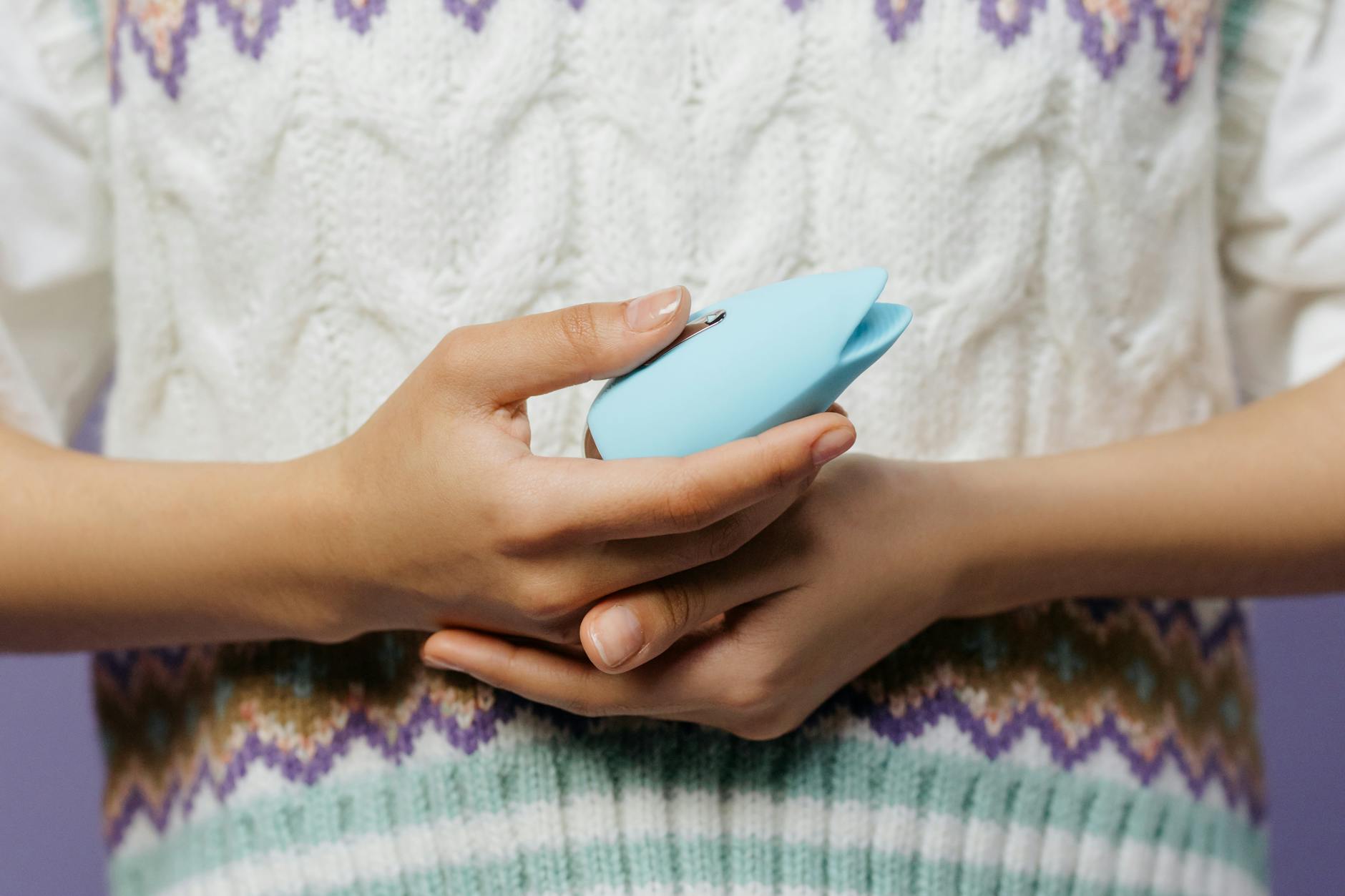
Lemon clitoral vibrators like those from Buy Lems Sex Toy work via suction and gentle pulsing. The sensation is very different from a traditional wand vibrator. It can feel incredibly good, but it can also feel like a lot if you're not expecting it.
Start on the lowest setting. Seriously. I know you want to jump in. Don't. Let your body acclimate to the sensation first. You can always increase intensity. You can't un-feel something you already felt.
If you find the sensation is too much, pause. Back off to a lower setting or a different part of the toy. If it's uncomfortable in any way, stop. There's no prize for pushing through discomfort. Your partner will respect a "this isn't working for me right now" a thousand times more than they'll respect you gritting your teeth through something painful.
Don't pretend nothing happened. Don't immediately roll over and go to sleep (unless you both want to). Lie there together for a bit. Talk about what felt good. What was surprising. What you want to try next time. This is where you build real intimacy.
You might say: "I really liked that moment when you were touching my arm while I was using it." Or: "That was more intense than I thought. I want to try it again but with more time to warm up." These small reflections are how couples actually get to know each other sexually.
If something felt weird or wrong, say that too. "I got in my head about being watched." "I wasn't sure what to do with my hands." Your partner can't fix what they don't know about. Vulnerability here pays dividends.
Will my partner feel replaced? Only if you let him. The lemon vibrator is an addition, not a replacement. You're using it with your partner, not instead of them. The experience is collaborative. That usually feels good for everyone involved.
What if I don't orgasm the first time? Normal. Your nervous system is activated. You're thinking about all the things. This is actually why the conversation and slow warm-up matter so much. You're building safety, not speed.
What if they want to use it on themselves too? That's a separate conversation, but it's not a bad one. Some partners are curious. Some aren't. There's no obligation either way. You can use a lemon suction vibrator solo and love it, and still only use it partnered. Or vice versa. Clarify what you both want.
What if they say no? That's their right. You can ask why, but don't debate them on it. "I appreciate you being honest." Then decide if this is a dealbreaker for you, or if you're okay exploring this solo instead. Both are valid paths forward.
Using a lemon vibrator with a partner for the first time isn't really about the toy. It's a checkpoint in your relationship where you get to practice asking for what you want, listening without defensiveness, and staying curious about each other's pleasure. Those skills transfer everywhere. If you can talk about what you want sexually, you can talk about almost anything.
Bring the lemon vibrator in as a tool for that conversation. Your partner isn't losing anything. They're gaining access to a more honest version of you. That's almost always worth the initial awkwardness.
How do I know if my partner will be receptive to using a toy together?
You don't until you ask. But partners who have previously been open to talking about sex, who've shown curiosity about your pleasure, and who've demonstrated that your comfort matters to them tend to be more receptive. You could also ease into it by sending them an article about clitoral vibrators, or asking what they think about toys in general conversation. Gauge their openness before you formally propose it.
Can I use a lemon vibrator while my partner is inside me?
Absolutely. Many people find that clitoral vibration during penetration intensifies everything. You'd use it on your clitoris while your partner enters you. This is actually a popular configuration for couples exploring together. Start slow and communicate constantly about pressure and sensation.
What if my partner wants to use it on me but I'm uncomfortable?
Tell them. You can ask them to use it on a lower setting, to guide their hand while they hold it, or to just hold it while you move. You set the terms. Your partner should want you comfortable, not proving something. If they don't respond well to your boundaries, that's a relationship issue bigger than the toy.
Do I need to use lube with a lemon vibrator?
Yes, always. Water-based lubricant reduces friction and makes the sensation feel smoother and less intense. It also protects your tissue. This is true whether you're using it solo or partnered. It's not a sign something is wrong. It's just smart practice.
How do I introduce a lemon vibrator without my partner feeling insecure?
Frame it as exploration, not fixing. "I want to discover new sensations with you" lands very differently than "I'm not satisfied." Show genuine curiosity about their pleasure too. Ask what they want to explore. Make it mutual. And honestly, if your partner's insecurity runs deep, that might be worth addressing separately with a couples therapist before introducing toys.
Should we use a condom on the vibrator?
Only if you're sharing toys between different people or if you have specific hygiene concerns. Lemon clitoral vibrators are designed to be body-safe and can be thoroughly cleaned with soap and water or toy cleaner. If you're both monogamous and there's no infection risk, you don't need a condom. Just clean it before and after use.
Have the conversation. Start small. Stay curious about each other. The best partnerships aren't the ones without awkwardness. They're the ones where both people are willing to feel awkward together and come out the other side closer. If you want more guidance on how lemon clitoral vibrators actually work, our buying guide walks through the whole thing. And if you're working through bigger communication issues with your partner, that's exactly what a relationship coach or therapist can help with. You don't have to figure this out alone.