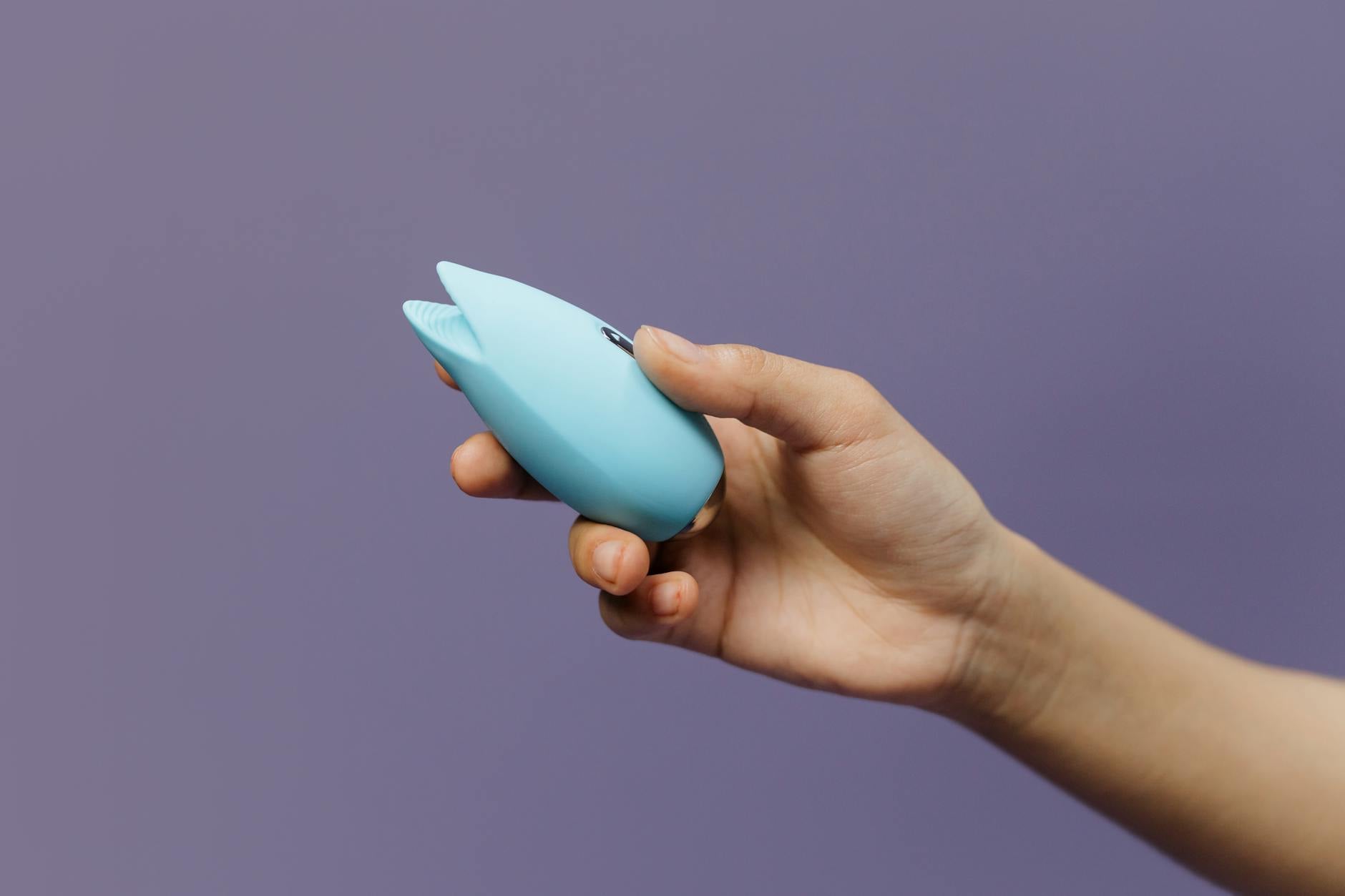
The mismatch nobody talks about
Here's the thing: you're in bed with your partner, things are progressing, and suddenly you realize you want something different than they do. Maybe they're focused on penetration and you need clitoral stimulation. Maybe they want quick intensity and you need slow buildup. Maybe you're not even in the mood for what's happening, but you don't want to kill the moment either.
This isn't a relationship problem. It's a logistics problem. And lemon clitoral vibrators are one of the smartest solutions I've seen couples use to stay connected when their bodies want different things.
Why this mismatch happens more than you think
Erectile function, arousal timing, orgasm type, pain sensitivity, energy levels—these rarely line up perfectly between two people. Add in the fact that most partnered sex is still designed around what feels good for the person with a penis, and you've got a recipe for invisible frustration. One partner ends up either faking it, powering through discomfort, or mentally checking out.
The research backs this up. Studies on sexual satisfaction consistently show that couples who can communicate about and accommodate different needs report higher satisfaction overall. Not because they're perfect, but because they've stopped pretending their bodies work the same way.
The difference between compromise and connection
Using a lemon vibrator when your partner wants something different isn't a compromise in the painful sense. It's not "I'll suffer through what you want if you do this for me later." It's actually a way to stay in the same experience together while honoring what each body genuinely needs.
When your partner is focused on penetration or their own arousal, a clitoral suction toy like a lemon vibrator lets you access what you need without disconnecting from them. You're still touching, still present, still building toward orgasm together—just doing it your way.
This is the opposite of the resentment dynamic, where one person white-knuckles through unsatisfying sex and stores up frustration for later.
How the conversation actually goes
The timing matters. Don't introduce this mid-sex the first time. Bring it up outside the bedroom, calmly, using language that's about your body, not their performance.
Good opening: "I've been thinking about what would help me finish during sex. I want to try using a clitoral vibrator when we're together, so I'm getting what I need and you're still involved."
Less helpful opening: "You're not getting me there, so I want to use a toy."
One is about your pleasure. The other sounds like criticism. Same outcome, totally different energy.
Most partners who initially feel hesitant shift once they realize this isn't about them being replaced. It's about them being able to enjoy sex their way while you enjoy it yours. That's actually the dream.
Practical setup: where lemon vibrators fit into partnered sex
Lemon clitoral vibrators and other suction toys work beautifully in partnered scenarios because they're quieter than traditional vibrators, they require less hand coordination, and they don't interfere with most positions.
Three real usage patterns:
Your partner is inside you and focusing on their own rhythm. You use the lemon vibrator on your clitoris independently. They can feel you moving with it. You finish at your pace, not theirs. No performance anxiety, no faking.
Your partner is in the mood and you're not quite there yet. They use foreplay while you use a lemon vibrator to build your own arousal. By the time you're both ready for the next phase, you're actually present instead of just going through motions.
Your partner wants penetration but you need clitoral stimulation to orgasm. You're together, they're getting what they want, you activate the lemon vibrator, and you both finish satisfied. This is the conversation most couples need but never have.
The solo-session advantage you might not expect
Here's something I've noticed in my practice: couples who use clitoral vibrators solo are also more likely to use them together successfully. Why? Because you already know what intensity and rhythm work for you. You're not figuring it out mid-partner-sex, which is stressful and often ineffective.
If you've never used a lemon vibrator alone, start there. Get comfortable with it. Find your settings. Understand how long it takes you to finish. Then introducing it into partnered sex becomes a "here's what I already know about my body" conversation, not a "I need you to figure this out with me" one.
Your partner benefits too. They stop guessing what makes you finish. They can watch what works and remember it. Over time, they might not even need the toy because you've both learned something real about your body.
When your partner genuinely resists
Some people feel threatened by toys. This is worth taking seriously, but it's also usually fixable with honesty.
The fear usually isn't about the toy itself. It's about being inadequate, being replaced, or losing control of the sexual experience. Those are relationship conversations, not toy conversations. You might benefit from talking this through with a couples therapist, but if that's not available, start here:
Name the actual fear. "I sense you're worried this means I'm not satisfied with you." Let them confirm or correct you. Then be clear about the truth: you're satisfied, your body just works differently. The toy isn't a replacement; it's an addition. Many couples who bring toys into sex report stronger intimacy overall because there's less pretending involved.
If someone refuses to budge after honest conversation, that's information too. It might mean you have a partner who's prioritizing their comfort over your pleasure, which is its own relationship issue that deserves attention.
The logistics that actually matter
Let's get practical about using lemon vibrators when you're with a partner.
Lubrication: More than you think you need. Your body produces less fluid when you're focused on a toy and multitasking emotionally. Keep a water-based lube nearby.
Positioning: Side-by-side usually works better than face-to-face if you're using a lemon vibrator. You get better access to your clitoris and less awkwardness around hand placement.
Intensity levels: Start lower than you would alone. Your arousal pathway is different when someone else is involved—sometimes faster, sometimes slower. You don't want to blast yourself with maximum suction when you're already 70 percent there.
Communication during: A simple "keep going" or "slower" tells your partner you're still in the experience. Silence can feel like disconnection, even if you're physically present.
The conversation afterward
Don't skip this. After sex that incorporates a toy for the first time, check in. "That felt good." "I felt closer to you." "I appreciated not having to fake it." These small statements matter because they're reinforcing that this was a positive addition, not a workaround for failure.
Over time, using lemon vibrators or other clitoral toys with a partner becomes just part of how you have sex. Not a big deal, not awkward, just normal—because you've normalized it through repetition and honesty.
FAQ
What if my partner thinks using a vibrator means I don't love them?
This comes up constantly, and it's worth addressing head-on. Orgasm is a physical response. Love is emotional. Your body needing clitoral stimulation to finish doesn't reflect your emotional attachment to your partner. Lots of people need specific conditions to orgasm—the right angle, the right rhythm, clitoral focus. None of that is about loving someone less. If your partner connects your pleasure tools to your feelings for them, that's a belief worth examining, possibly with a therapist.
Can I use a lemon vibrator if my partner has body image issues?
Yes, but context matters. If your partner is insecure about their body or performance, bringing in a toy without conversation can feel like criticism. Have the talk first. Focus on what your body needs, not what theirs isn't providing. Frame it as "something I've realized I want to explore" rather than "you're not doing this right."
How do I know if my partner is actually okay with it or just going along?
Watch their behavior during and after. Are they engaged, touching you, making eye contact? Or are they withdrawn, quiet, checking out? The real answer isn't in their yes, it's in their energy. If they seem genuinely uncomfortable even after conversation, you might need a different approach or a deeper conversation about what's actually bothering them.
Does using a vibrator together affect how sex feels without one?
Sometimes. Your nervous system gets used to a certain type of stimulation. That's actually why alternating between solo use and partnered use is helpful—it keeps your body responsive to different inputs. If you're only finishing with a vibrator and never without one, that's worth examining, but for most people, variety keeps sensation fresh.
What if I want clitoral stimulation but my partner doesn't want to use toys?
Then you have a choice: you can have partnered sex without finishing (not ideal), you can use the toy anyway and accept their discomfort, or you can keep negotiating. The third option usually means exploring what their actual objection is. Is it feeling insecure? Performance pressure? Religious belief? Once you know, you can address the real issue instead of fighting about the toy.
How long does it take to get comfortable using lemon vibrators with a partner?
For some couples, one time. For others, three or four sessions before it feels natural. The awkwardness usually peaks on attempt two, then drops fast once you realize nothing terrible happened and you both actually enjoyed it.
The real shift
Using a lemon vibrator or other clitoral vibrator with a partner isn't just about logistics. It's about permission. Permission to want what you want. Permission to not fit into the standard sex script. Permission to pursue your own pleasure without apology.
The couples I work with who've crossed this bridge report that it actually brings them closer, not further apart. Because they've stopped pretending. They've said out loud what their bodies actually need. And they've shown up for each other anyway.
That's intimacy.