Let's be real about long distance
Long-distance relationships don't fail because people stop loving each other. They fail because bodies get lonely. You can video call, you can text all day, you can plan visits months in advance. None of that replaces skin-on-skin contact. And when sexual connection vanishes for weeks or months, something fundamental about the relationship frays. Not because you're bad at love. Because humans need touch.
The good news: you don't have to wait for the next flight to maintain intimacy. Lemon vibrators and other clitoral vibrators have quietly become one of the most practical tools long-distance couples use to stay sexually connected across distance. I've worked with dozens of couples managing this, and I want to walk you through exactly how and why it works.
Why this matters more than you think
Research on long-distance relationships shows that sexual satisfaction predicts overall relationship satisfaction almost more reliably than communication alone. That doesn't mean you need to have sex constantly. It means that when sexual connection disappears, couples start to feel more like roommates who happen to love each other than partners. Everything else. the arguments, the emotional distance, the irritation at small things. tends to follow.
The Lem vibrator and other lemon clitoral vibrators solve a specific problem: they let both of you experience pleasure together in real time, despite the distance. Your partner can watch, can guide, can come at the same time as you. That's not a replacement for touch. It's a different shape of intimacy that actually works across time zones.
How to structure pleasure sessions across distance
The couples I work with who do this well follow a pattern. Scheduling matters. You pick a time that works for both time zones (usually compromise means one of you is going to be doing this at an odd hour, and honestly, that's part of the hot part). You're not sneaking in pleasure between other things. You're blocking it out like you would a date night if you lived together.
Then you set expectations about what this session is. Are you both going to come? Are you watching each other? Is one of you just receiving while the other talks? Is your partner giving instructions? Get specific. Vagueness kills arousal faster than anything.
Start slow. Turn on a video call (or use an app built for this if you want more privacy). Your partner can see you, or you can cover the camera and just listen. Some couples like watching. Some like the intimacy of sound only. Both work. Start with whatever kind of touch or sensation you're in the mood for. This is where the lemon vibrator shines. The suction sensation lets you enjoy strong stimulation without needing someone else's hands. You're fully in control of intensity and rhythm. Your partner can watch your face, hear you, suggest patterns. They're genuinely present even if they're not touching you.
The intensity sweet spot for shared sessions
When you're alone, you know exactly how much sensation you want. When your partner is watching, dynamics shift. Some people feel self-conscious and need less intensity to get distracted. Some people feel more aroused and need more. Neither is wrong. The key is knowing yourself before the session starts.
Here's what works well: start at intensity level 2 or 3 on your lemon vibrator. That's low enough to enjoy building sensation, and it buys time. Long-distance sessions work best when they last 20 to 40 minutes. If you're at maximum intensity from minute two, you've got nothing left. A lemon clitoral vibrator's strength is that you can shift patterns and intensity throughout, which keeps your nervous system engaged instead of numbing out.
Your partner can guide you up and down. "Stay there for another minute." "Try the pulsing pattern." "Go faster." That communication is weirdly intimate. You're not just having sex. You're letting someone else influence your pleasure in real time. That's what stays with you after the call ends.
What to do if timing is impossible
Some couples genuinely can't sync up. Nine-hour time difference, opposite schedules, kids in the picture. The pressure to make "real-time" sessions happen can actually hurt. So don't.
Instead, try asynchronous intimacy. You record or photograph yourself using your lemon vibrator, send it to your partner. They watch it later, respond with their own. You're still sharing pleasure and vulnerability. The format just shifts. Some couples find this is actually hotter because there's anticipation built in. You don't know when your partner will watch. You don't know what they'll think.
This isn't settling. It's working with your actual life instead of against it.
Maintaining emotional safety while doing this
I'm going to say something uncomfortable: sexting and intimate videos require massive trust. If that trust is shaky, this won't work. Before you send anything visual or have any long-distance sexual sessions, you need to be certain your partner isn't going to share these things. That they're not going to hold them against you in a fight. That if you break up, they won't use them as ammunition.
Have that conversation explicitly. "I'm not comfortable sharing videos unless we agree that they get deleted if we break up." "I want to be clear that these are just for us." It's not romantic to assume trust exists. Trust is built through clear boundaries and explicit agreements.
Also: your partner doesn't get to pressure you into sexual sessions. If you're tired, busy, not in the mood, that's a complete sentence. Long-distance can create a feeling of obligation (you only see each other once a month, so you should make the most of it). Push back on that. Genuine desire works better than obligated performance. Always.

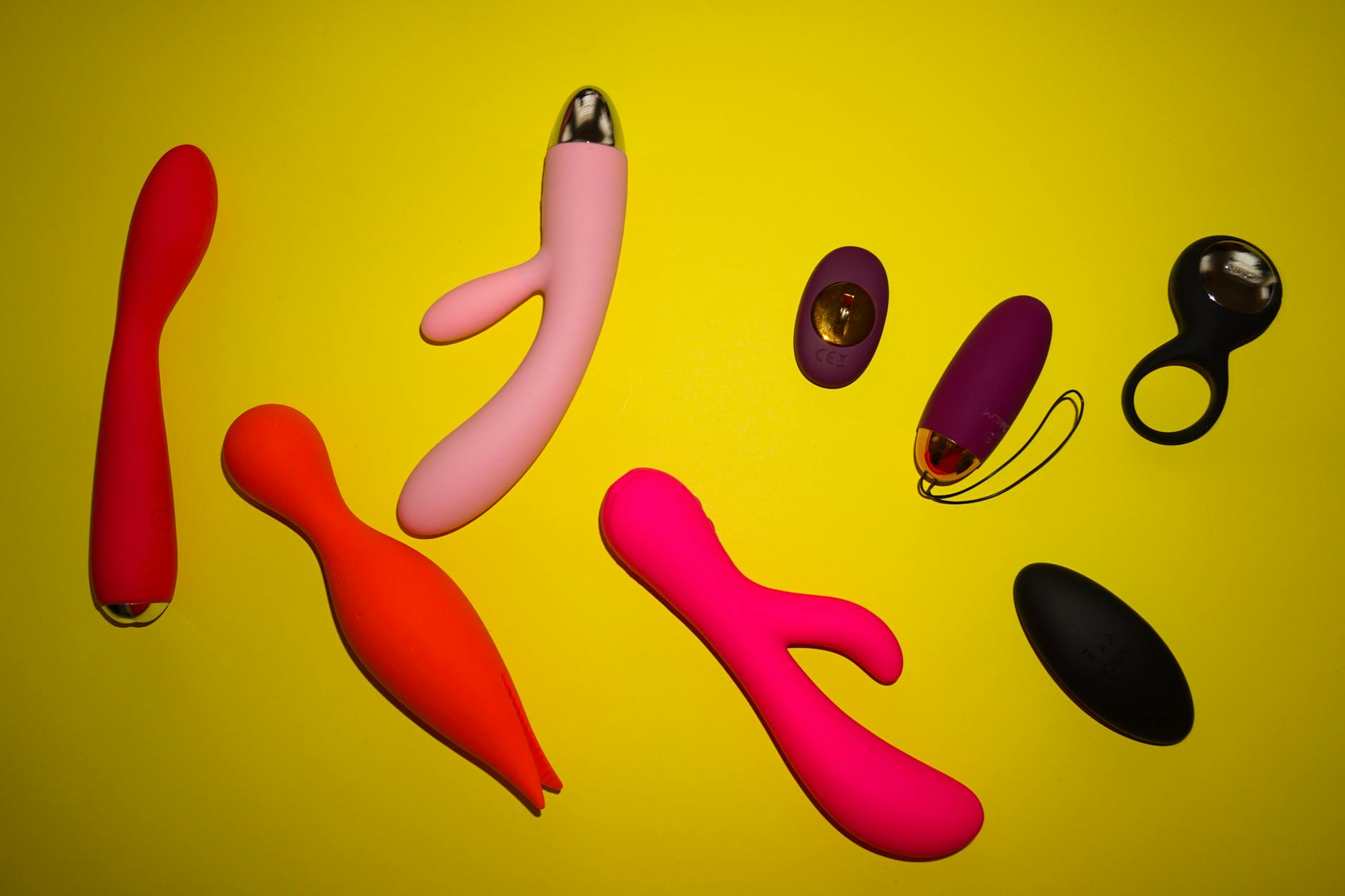
Photo by cottonbro studio on Pexels
Why the lem vibrator works particularly well for couples
There are dozens of clitoral vibrators on the market. The Lem vibrator stands out for long-distance couples for a few specific reasons. The suction mechanism means you don't need pressure from a partner to feel satisfied. You're getting strong sensation from the toy itself, not from external input. That independence matters because it means you can come even if your partner is just watching, just listening, or just present in whatever way makes sense.
The patterns are varied enough that you're not bored after five sessions. You can stay on one pattern for the whole experience or shift between them, which keeps your nervous system engaged. And because it's designed for precision, you can be subtle if you want. Some couples like the power ramped up. Some like using their lemon clitoral vibrator at low levels and building slowly. The toy accommodates both.
The fact that it's quiet also matters in long-distance contexts. If you're in a shared house, a dorm, a place where sound carries, you need a vibrator that doesn't announce itself. The Lem is discreet. Your roommate doesn't need to know.
What happens when you visit
Interestingly, couples who've been intimate long-distance often have better physical reconnection when they finally visit. There's no rust. You already know how the other person responds to touch and direction. You've practiced communicating about pleasure. You've built anticipation. The first night together after months apart doesn't feel like starting from scratch. It feels like continuing something you've been building all along.
Some couples bring their lemon vibrators along on visits, which is a whole different experience. Sharing pleasure with someone in the same room creates a different kind of intensity than across distance. You get the actual touch plus the vibration plus the presence. That's something you can build toward.
When to know this isn't working
If long-distance sexual sessions feel like an obligation or a performance rather than a genuine connection, that's information. Some people genuinely prefer not to have sexual sessions across distance. That's fine. Some couples do better with sexual disconnection being temporary, saved for visits. That works too.
The couples I see who struggle are the ones trying to force a version of intimacy that doesn't match their actual needs or comfort. If you're resentful about the time zone, if your partner pressures you, if you feel disconnected afterward instead of connected, that's a signal to change something. Maybe less frequency. Maybe less intensity. Maybe a conversation about whether this particular expression of intimacy actually serves you as a couple.
Your pleasure matters. Your boundaries matter. Your comfort matters as much as maintaining connection.
The bigger picture
Long-distance relationships are hard for structural reasons that have nothing to do with how much you love each other. Using a lemon vibrator or other clitoral vibrators to maintain sexual connection is just one tool. It's not going to fix a relationship with poor communication or a partnership with no end date in sight. But it does solve the specific problem: how do we stay physically intimate when we can't be in the same room.
And that matters more than people admit.
People also ask
Can my partner control a lemon vibrator remotely during long-distance sessions?
Most standard clitoral vibrators, including traditional lemon vibrators, don't have remote control features. You control the intensity and pattern yourself. However, your partner can guide you verbally or via text. They can say "go to pattern three" or "turn it up" and you adjust. Some couples find this dynamic. where one partner has full control, actually more intimate than a true remote toy because it requires real-time communication. If remote control is important to you, look for app-controlled vibrators, though these tend to be pricier than the Lem. The tradeoff is convenience versus the directness of your partner directing you in real time.
Is it weird to use a vibrator with my partner watching on video?
It feels weird the first time. Usually by the third or fourth session, it becomes normal, sometimes even preferred. The weirdness often fades once you realize your partner is so focused on you and your pleasure that their attention feels less like scrutiny and more like genuine desire. If it keeps feeling uncomfortable, you can skip the video component entirely. You can be on a voice call with your partner, lights off, and still be intimately connected. The visual component is optional, not required.
How do we keep things feeling spontaneous if we're scheduling long-distance sexual sessions?
Scheduling and spontaneity aren't opposites. You schedule a time, but when you get there, you're both present and responsive. That's when spontaneity happens. You didn't plan exactly what intensity you'd use or what patterns would get you both excited, so there's still discovery. Some couples schedule a window (like Friday evening) but don't confirm until that day. Others schedule exact times. Both work. The structure creates safety and anticipation. Spontaneity lives in what you actually do within that container.
What if one partner finishes much faster than the other?
This is common and usually not a problem. Your partner comes first. They hang around, watch you, talk to you, whatever feels good. Some partners like this because they get to focus fully on your pleasure without their own pleasure pulling their attention. Some couples enjoy the asymmetry. If you both prefer simultaneous orgasms, you can practice building toward that timing, but it requires communication and usually some trial and error. It's not essential. Some of the best long-distance sessions I've worked with involved one partner coming and then shifting into watching and supporting the other. That's still intimacy.
Is using a lemon clitoral vibrator together as intimate as having sex in person?
It's differently intimate. You get presence, vulnerability, communication, and pleasure. You don't get physical touch or the specific sensation of bodies close together. Some couples feel it's nearly as intimate. Some feel it's a bridge that maintains connection but isn't a replacement. Honestly, both are true depending on the couple and the moment. The goal isn't to replicate in-person sex. It's to maintain sexual and emotional connection while you're apart. On that measure, it works well.
How do we navigate the awkwardness if something goes wrong during a session?
Something will go wrong eventually. Your partner's roommate knocks on the door. You lose connection. Someone's laptop overheats. Laughter at the wrong moment. Here's the thing: couples who can laugh together when something awkward happens during intimate moments actually end up closer. The awkwardness becomes part of the story. If you genuinely can't move past embarrassment, that's information about whether you're ready for this kind of vulnerability with this person. And that's okay. But most couples find that the awkwardness, once you move through it, deepens trust. You've seen each other at a weird moment and neither of you died.
The summary
Long-distance relationships require creative solutions to maintain what makes partnerships work: physical and emotional intimacy. Lemon vibrators and clitoral vibrators give couples a practical tool to stay sexually connected across distance. It's not perfect. It doesn't replace being in the same room. But it works surprisingly well if you approach it with intention, clear communication, and genuine desire.
The real work isn't about the toy. It's about saying yes to your partner's body and pleasure even when you can't touch them. And that's something worth learning how to do.