Let's start with what you're feeling right now
Your body isn't broken. It's been asleep. After months or years without sexual activity, your nervous system has literally recalibrated around the absence of pleasure. That doesn't mean pleasure is gone. It means your body has to remember what arousal feels like, and that takes more than willpower.
The most useful thing I tell my clients returning to pleasure after long abstinence is this: your body hasn't forgotten. It's just rusty. And rusty needs gentleness, not intensity.
Why lemon vibrators are specifically useful right now
If you've been away from sexual activity for a long time, two things are true simultaneously. First, your tissues are more sensitive than they used to be. The clitoris hasn't lost nerve density, but without regular stimulation, the area becomes quicker to irritate. Second, your arousal takes longer to build. Your brain and body need time to reconnect, and that's not a problem to solve. It's information to follow.
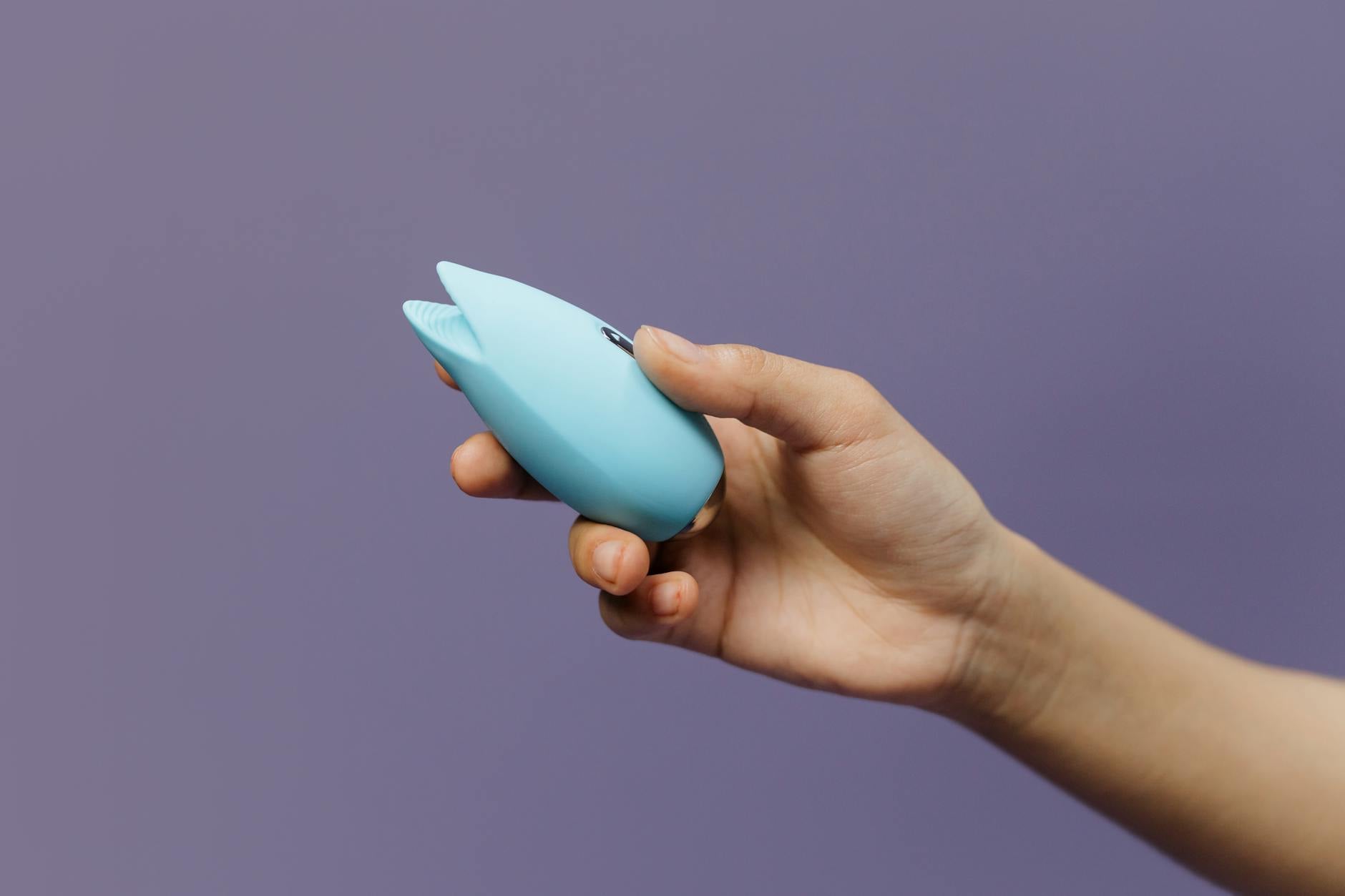
Lemon clitoral vibrators work differently than traditional vibrators. They use air-suction stimulation instead of direct vibration. That means they're gentler on tissue that hasn't been activated in a while. The lem vibrator creates a rhythmic suction that builds sensation gradually, which gives your body time to remember what pleasure feels like without shocking the system.
Think of it this way: if traditional vibrators are a loud alarm, lemon sexual toys are a slow sunrise.
The nervous system timeline nobody talks about
When you're restarting after long abstinence, you're not just relearning physical sensation. You're also resetting your nervous system's relationship with pleasure. Anxiety, shame, or simply the muscle memory of "this is not happening" can live in your body. Your nervous system needs permission to activate again.
The first few times you use a lemon vibrator, you might not reach orgasm. That's completely normal. The goal isn't climax. The goal is your body remembering the sensation of activation. Arousal is a spectrum. You're not starting at zero and sprinting to orgasm. You're starting at zero and spending time at two, then four, then six.
This is why the suction-based design of lemon adult toys helps so much. The gradual build of sensation gives your nervous system time to trust that pleasure is safe again.
How to set up your first session
Four things matter here, and none of them are about technique.
Time: You need at least 20-30 minutes, with zero interruptions. Not because it takes that long to orgasm, but because your body needs time to downshift into arousal mode. Your nervous system has been in task mode for months. Rushing that transition doesn't work.
Space: Your brain has to feel safe. That might mean locking the door, turning off your phone, or spending 10 minutes making your space feel welcoming. If you're in a relationship, it might mean your partner is in another room. Safety is subjective. Honor what you need.
Lubrication: Even if you haven't had vaginal dryness issues in the past, use lube anyway. Your tissues might surprise you after abstinence, and friction irritates sensitive tissue. Water-based lube is safest with silicone lemon vibrators.
Mindset: This isn't a performance. This isn't something you have to "succeed" at. You're exploring. You're reconnecting with your body. That's the whole win.
The actual mechanics (pattern and intensity)
When you first turn on a lemon vibrator, start at the lowest setting. Not because you're fragile, but because your body needs to register what you're feeling. Try one or two minutes at the lowest intensity against the external clitoris. Your job is to notice sensation, not chase outcome.
If that feels good, stay there. If it feels too intense, pull back. If it feels numb, that's not a failure. That's information. Your body might need another few minutes of general pelvic awareness before you introduce stimulation. Some people find that touching other parts of their body first (inner thighs, nipples, vulva without the vibrator) wakes up the nervous system faster.
Over several sessions, you can experiment with different patterns and intensities. You're not trying to reach orgasm on day one. You're teaching your body that pleasure is welcome again. That process takes patience, and patience is the most useful tool you have right now.
The mental loop nobody warns you about
After abstinence, your brain can do something weird. You start to feel sensation, and then you think, "I'm feeling something," and then the thought interrupts the sensation, and you lose it. This is called spectatoring. You're watching yourself have the experience instead of being inside it.
This is where lemon vibrators shine again. The rhythmic suction is hypnotic. It gives your brain something concrete to focus on. You're not thinking about whether you're doing it right. You're noticing the pattern, the rhythm, the way your body responds.
If your mind wanders into anxiety or self-judgment, that's normal. You're literally rewiring your relationship with your own body. When you notice the thought, just come back to the sensation. That's the whole practice.
If you have a partner
If you're returning to pleasure in a relationship, the conversation before using a lemon vibrator is as important as the vibrator itself. Some partners assume a vibrator means they're not enough. Most vibrator use is actually about you giving yourself permission to prioritize your own sensation. That's not about your partner. That's about you reclaiming your own pleasure.
You might explain it this way: "I've been away from sexual pleasure for a while. I want to explore what my body needs to reactivate. This vibrator helps me do that, and it's not separate from us. It's something I need to do for myself first."
Some partners want to be involved. Some don't. Both are fine. You're allowed to ask for what you need.
What you might feel in the first week
Emotionally, returning to pleasure can bring up unexpected feelings. Relief. Grief about the time lost. Shame. Confusion. Arousal can feel unfamiliar enough to seem like something's wrong when nothing is.
Physically, you might experience mild soreness or irritation if you've tried a higher intensity too fast. That's your cue to slow down. You might also feel deep fatigue after a session. Your nervous system is working hard to reactivate. Rest is part of the process.
Sensation might feel different than you remember. That's okay. Your body has changed. Your preferences might have changed. The version of you returning to pleasure isn't the same person who left it.
When to check in with yourself
If pain appears (not friction discomfort, but pain) during or after use, take a break. You might need to see a pelvic floor physical therapist or gynecologist to rule out issues like vaginismus that develop after abstinence. These are completely treatable, and professional support helps.
If pleasure still feels completely absent after several sessions, that's worth exploring. Sometimes abstinence is a symptom of something deeper. Trauma, depression, relationship disconnection, or medication side effects can all suppress arousal. A therapist specializing in sexuality can help you untangle which thread to pull first.
The timeline for "normal"
Some people experience orgasm again within a few sessions. Others take weeks. There's no right speed. The goal isn't speed. The goal is your body learning that pleasure is safe and accessible again. That changes everything downstream.
Lemon clitoral vibrators make that reconnection gentler because they work with your nervous system instead of against it. The gradual sensation, the rhythm, the safety of solo exploration. These all matter.
FAQ
How long after starting to use a lemon vibrator should I expect an orgasm?
There's no standard timeline. Some people reach orgasm in their first session. Others take weeks. After long abstinence, your nervous system is learning that arousal is safe again. That learning process varies wildly depending on how long you've been away, what your stress level is, and whether there's any underlying trauma connected to the abstinence. Focus on sensation first. Orgasm is a bonus, not the goal.
Can long-term abstinence damage your sexual response permanently?
No. Sexual response atrophies like any other muscle, but it doesn't break. Your clitoral nerves don't disappear. Your arousal system doesn't vanish. It recalibrates. That's completely reversible. The longer you've been away, the more patience you need, but the outcome is always accessible.
Is it normal to feel emotional or cry during your first session back?
Yes. Pleasure can activate emotional release, especially if the abstinence was connected to grief, relationship issues, or trauma. If you're crying from relief or emotional release, that's your nervous system processing. If you're crying from distress, pause and check in with yourself. You're in control. You can stop whenever you need to.
Should I tell my partner I'm using a lemon vibrator to restart?
That depends on your relationship agreements. If you have a partner you're sexually active with, transparency usually helps. If you're partnered but not sexually active with your partner, it depends on whether you want to stay that way. If you're single, you owe no one an explanation. Your pleasure is yours.
What if a lemon vibrator feels too intense even on the lowest setting?
Start without it turned on. Use it for sensation without the vibration. Let your body acclimate to the shape and the feeling of touch. You can also use it over your underwear first, which mutes the sensation. There's no minimum intensity requirement. Meet your body where it is.
How often should I use a lemon vibrator when I'm starting over?
Two to three times a week is a good rhythm for reconnection. That's frequent enough that your body builds muscle memory. That's infrequent enough that you're not chasing sensation. If you feel sore after a session, take an extra day off. Your body will tell you what it needs if you listen.
What you're actually doing
You're not just using a lemon vibrator. You're telling your body that you're worth pleasure again. That activation is safe. That sensation matters. That your desire matters, even after it's been dormant.
That's not a small thing. That's a reclamation.
If you want more detailed guidance on how to ease back in with a lemon clitoral vibrator, explore how lemon vibrators help when you're feeling numb or disconnected from pleasure. You might also find it useful to read about how lemon vibrators help when you're returning to pleasure after grief or loss, since the emotional side of reactivation often matters as much as the physical.
Your body remembers. You just have to give it permission to speak again.