Here's the thing nobody explains clearly
Your clitoral vibrator doesn't stop working at 40. Your body does something different. That distinction might seem small, but it's the difference between thinking you're broken and understanding you're simply evolving.
After 40, many people report that the same intensity they loved for years now feels either too strong or weirdly unsatisfying. Others find they need longer warm-up time. Some discover entirely new sensation zones they'd never noticed before. None of this is dysfunction. It's biology shifting, and it's absolutely workable.
What actually changes in your body after 40
Four main things happen as you move through your 40s that directly affect how clitoral vibrators feel.
Hormonal recalibration. Even if you're not in perimenopause yet, hormone levels begin shifting in your late 30s and throughout your 40s. Estrogen fluctuates more unpredictably. This affects blood flow to genital tissue, which changes sensitivity and how quickly arousal builds. Some days you feel one way. Three days later, completely different.
Skin thinning. The epidermis of your vulva gets slightly thinner over time due to lower estrogen and natural aging. This means direct, intense stimulation that felt amazing at 25 can feel sharp or uncomfortable at 45. The tissue is more delicate, not weaker. That matters because it means you're not getting less pleasure potential. You're just accessing it differently.
Nerve sensitivity shifts. Interestingly, your clitoris doesn't lose sensitivity. What changes is the pattern of that sensitivity. Many people find that the same vibration frequency feels different across the clitoral structure. The glans (the visible tip) might be less responsive to intense vibration, while the shaft and surrounding tissue become more responsive to gentler patterns. It's a remapping, not a dimming.
Pelvic floor tension. As estrogen declines, the pelvic floor naturally tightens. More tension means the same vibrator can feel more intense and sometimes uncomfortably so, or you might experience delayed arousal because the pelvic floor needs conscious relaxation before pleasure can build fully.
Why intensity settings feel wrong all of a sudden
Let's say you've been using a clitoral vibrator like the Lem at setting 6 for years and it's been perfect. At 42, setting 6 feels aggressively intense or almost numb depending on the day.
This happens for a reason. Intensity in vibrators is measured in Hz (vibrations per second), and the frequency that stimulates nerve endings most effectively changes as your tissue composition shifts. Higher intensity doesn't automatically mean better sensation when tissue thickness decreases.
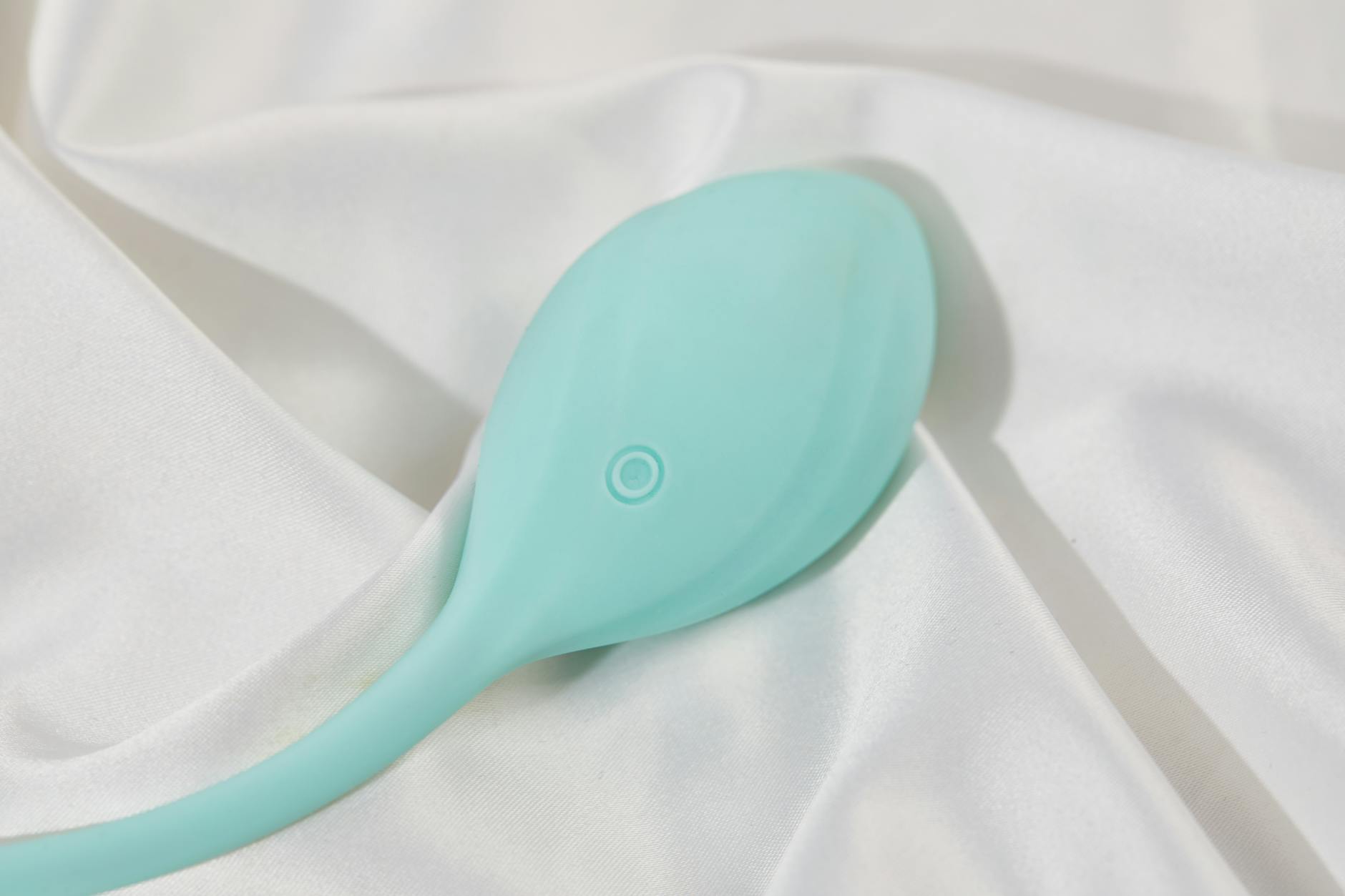
What many people don't realize is that lower intensity settings often become more pleasurable after 40, not less. A lemon clitoral vibrator like the Lem works particularly well during this shift because air-suction technology doesn't rely on raw vibration intensity. Instead, it creates gentle rhythmic pressure that adapts to tissue density changes. You're stimulating nerves through suction and pulse rather than vibration force alone.
The warm-up time factor you can't ignore
At 25, you might have reached peak arousal in five minutes. At 45, expect 15 to 25 minutes. This isn't a sign of diminished desire. It's a reflection of blood flow patterns changing. Your body needs more time to concentrate blood flow to the clitoris and surrounding tissue.
This is actually good news if you let it be. Longer warm-up time means more foreplay opportunity, more mental arousal building, more anticipation. Partners often find this phase deeply intimate. Solo, it means dedicating real time to yourself, which tends to deepen the experience.
After 40, your pleasure doesn't decline. It just requires a different kind of attention.
How to adjust your clitoral vibrator approach
Three specific shifts that work immediately.
Start lower, go slower. If you've always jumped to intensity level 5 or 6, begin at 2 or 3. Spend 10 minutes there. You might find that what seemed boring before is now exactly the right amount of stimulation. The sensation quality shifts when you're not fighting against overstimulation.
Expand your stimulation zone. Don't just focus on the glans. Explore the shaft of the clitoris, the labia, the perineum. After 40, many people discover that these surrounding areas have become more responsive than they were before. A lemon sucker vibrator naturally encourages this exploration because the suction head is larger than traditional vibrator tips and creates broader contact.
Build in consistent warm-up ritual. This doesn't have to feel clinical. It means dedicating real time to arousal building. A partner can help. Solo, this might be 20 minutes of touch, mental focus, maybe reading something that turns you on, then moving to the vibrator. This preps your nervous system and helps the pelvic floor relax naturally.
The sensation pattern shifts that catch people off guard
Around 40, some people find that their orgasm pattern changes. They might get multiple smaller peaks instead of one intense crescendo. Or they might discover that what used to feel like one type of orgasm now has distinct phases. Some people report that orgasms feel more full-body and less concentrated in the genitals. Others find the opposite.
None of these are problems. They're variations. Your nervous system is working with different hormonal conditions and tissue architecture. The pleasure potential is still there. You're just experiencing it through a different lens.
If you're partnered, this is worth talking about explicitly. Your partner might notice a difference in your responsiveness and misinterpret it as disinterest. It's not. It's your body doing something different, and that's information both of you can work with.
When to seek outside support
If pleasure disappeared entirely and isn't returning after you've adjusted your approach for four to six weeks, talk to a healthcare provider familiar with midlife sexuality. Persistent pain during vibrator use warrants medical attention. Low desire that feels disconnected from body changes might point to relationship dynamics or depression rather than physiology.
But fluctuating sensation, needing different intensity levels, requiring longer warm-up time. These are expected. These are normal. These are things you can work with using the right approach and the right tools.
The bigger picture
Your body after 40 isn't a downgrade from your body at 25. It's a different system with different capacities. After you decode how it works, many people find their pleasure deepens. You know your body better. You're less concerned with performance. You have permission to slow down. Those aren't small things.
The clitoral vibrators you love might need to be used differently. Your warm-up might need to look different. Your sensation zones might have expanded. That's not a loss. That's information. Act on it, stay curious, and your pleasure very likely has years of depth still ahead.