Let's be real about arousal after 40
Your arousal didn't disappear. It just got quieter. You might notice it takes longer to build, feels less urgent, or requires more deliberate attention. That's not a malfunction. That's your neurochemistry, tissue changes, and life experience all colliding at once.
Here's what typically shifts: blood flow to the clitoris takes longer to peak, vaginal tissue becomes thinner (especially if estrogen is dropping), and the mental load of midlife—work stress, aging parents, shifting relationship dynamics—often hijacks the attention you need to feel aroused in the first place. The physical sensitivity hasn't gone anywhere. You've just got different wiring now.
Why arousal feels different in your 40s and beyond
Three main culprits are usually at play. First, your clitoral tissue is thinner and more delicate than it was in your 20s and 30s. Estrogen keeps tissue plump and responsive. When estrogen declines (which can start in your 40s and accelerates toward perimenopause), that thickness decreases. Your clitoris is still fully capable of pleasure, but it's more sensitive to heavy-handed stimulation.
Second, arousal is slower to build. In your younger years, arousal might have spiked within minutes of foreplay starting. Now? Plan for 15-25 minutes of warm-up before you get to that same intensity level. This isn't laziness or low desire. It's a different arousal arc. Your nervous system is just slower to switch on. That's actually not bad—it means when you do get there, it often hits deeper.
Third, mental friction is real. Your 40s bring a specific kind of cognitive overload: career peaks, parent care, relationship renegotiations, body image worries that feel sharper than they did a decade ago. Your brain is the largest sexual organ, and if it's running a spreadsheet while your partner is running their hands down your spine, something's going to feel incomplete. Arousal requires focus. After 40, finding that focus takes intention.
How clitoral vibrators change the game after 40
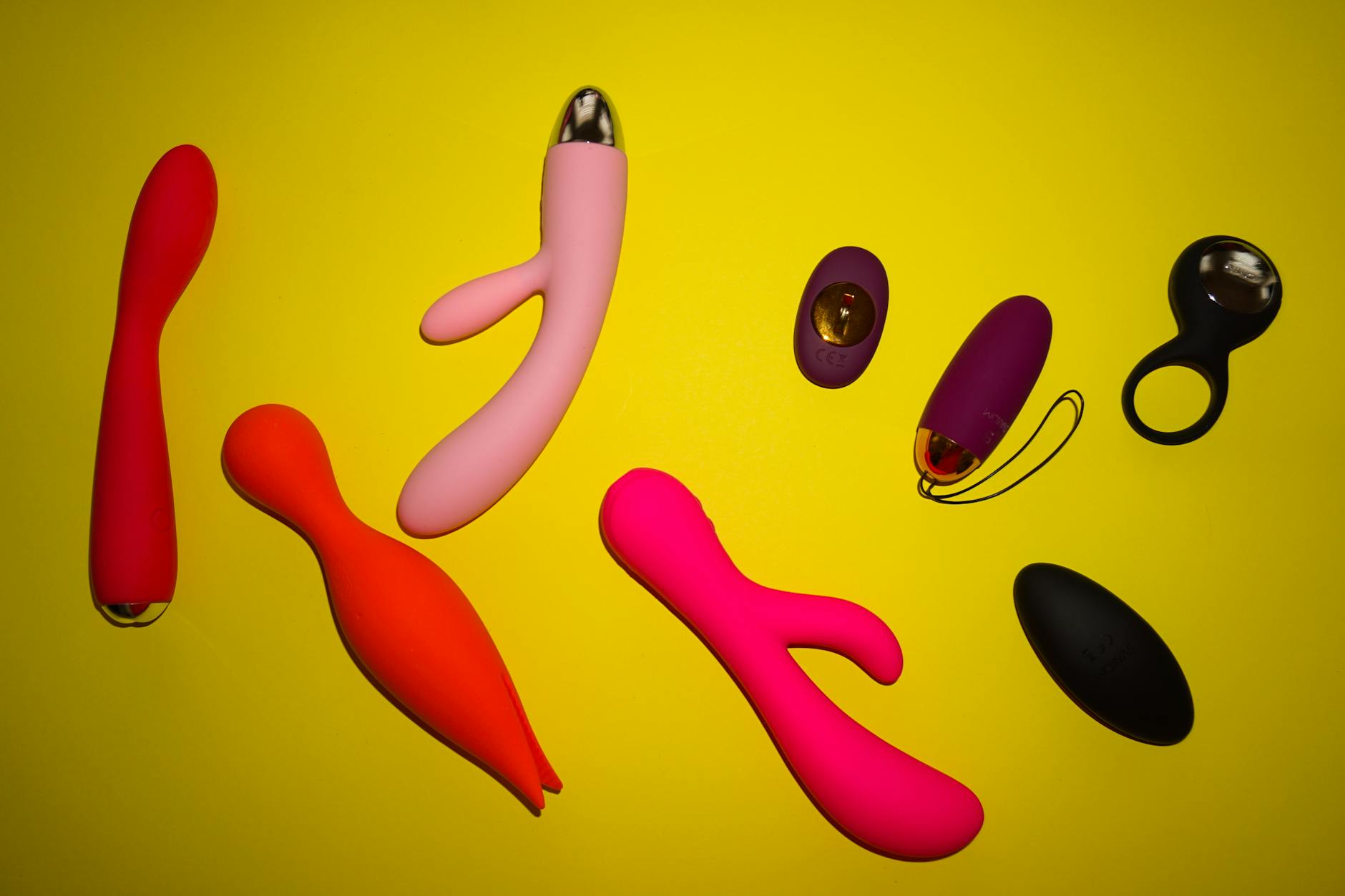
A quality lemon clitoral vibrator like the Lem works differently for post-40 bodies than traditional friction-based toys do. Here's why: instead of requiring your tissue to respond to direct mechanical pressure, air-suction vibrators stimulate via gentle pulsing waves. That distinction matters enormously when tissue is thinner. You get sensation without strain.
The Lem's design is engineered for bodies that need efficiency over effort. It builds stimulation gradually, which mirrors your actual arousal curve after 40. You're not fighting against your body's slower response time—you're riding it. That's completely different from trying to force yourself to climax the old way.
Many people in their 40s and beyond report that clitoral vibrators feel more satisfying than they did in their youth, precisely because the arousal process is slower and the payoff is more precise. You're not rushing through it. You're settling into it.
Start with realistic timing expectations
When arousal is slower to build, timing matters. Here's what I recommend: set aside 30-45 minutes for self-pleasure, not because you'll need all of it, but because removing the pressure of "this should be quick" does half the work for you. When you're not watching the clock, your nervous system can actually shift into parasympathetic mode (that's the "rest and digest" state where arousal happens).
Begin with 5-10 minutes of non-genital touch: massage your neck, your inner arms, your thighs. Let your body remember that pleasure doesn't start at the clitoris. It starts with attention.
Then introduce the vibrator at a low setting (pattern 1 or 2 on the Lem). Don't jump to high intensity. The goal is to let sensitivity build gradually. Many people notice that after 3-5 minutes at a lower setting, they've reached a level of arousal where higher intensities become accessible and actually feel better.
Lubrication is non-negotiable, not optional
Let me be clear: using lube after 40 is not a sign of dysfunction. It's a recognition that your body works differently now and deserves support. Thinner vaginal tissue needs lubrication not just for comfort, but for pleasure.
Water-based lubes pair best with silicone toys like the Lem. Apply generously before you start—don't wait until something feels dry. Prevention is way easier than fixing discomfort mid-session. Reapply as needed.
Many people notice that lube actually deepens arousal psychologically too. There's something about caring for your body in this specific way that shifts the experience from "trying to perform" to "showing up for myself." That shift in mindset is part of what makes pleasure easier after 40.
Work with your actual arousal curve, not against it
Your arousal in your 40s probably doesn't look like a sharp spike anymore. It's more like a slow climb. The mistake most people make is trying to rush it or assuming that slow arousal means low desire.
Instead, use the Lem to explore that climb. Spend time at different vibration patterns, even ones that feel mildly pleasant but not intense. Your body will surprise you. That seemingly "light" stimulation might build into profound sensation after sustained time. This is especially true when you're not mentally racing through your to-do list.
One pattern that works for many people post-40: start at pattern 1, stay there for 3-5 minutes, move to pattern 2 for 3-5 minutes, then to pattern 3. By the time you reach pattern 3 or 4, your body has primed itself. What felt subtle at the beginning is now deeply satisfying.
Partner sex requires a different conversation
If you're with a partner, they need to understand that your arousal change is not about them. It's also not about loss. It's a logistics shift. Your body needs different conditions to get there. That might mean more foreplay, more lube, more time, or incorporating the Lem into partnered sex.
Many couples who try this are shocked by the result: slower arousal actually creates more sustained pleasure and often more intense orgasms. The rush is gone, but the depth is there. That's worth celebrating, not mourning.
If your partner is skeptical about using toys together, that's a separate conversation worth having.
What happens if nothing feels like "enough"
Sometimes after 40, arousal doesn't just feel slower—it feels absent entirely. You might be going through the motions and feeling numb. That's different from slow arousal, and it deserves attention.
First: check medication side effects. Antidepressants, blood pressure meds, and antihistamines can all flatten arousal. If you suspect medication, talk to your doctor. Sometimes switching timing or dosage helps.
Second: consider whether stress or relationship dynamics are the real culprit. Difficulty with arousal after criticism or conflict is incredibly common, and no vibrator solves that issue alone.
Third: if numbness persists, a hormone panel makes sense. This could be thyroid-related, estrogen-related, or testosterone-related. A menopause-informed doctor can run tests. Sometimes the issue isn't the vibrator—it's biology that needs support.
Building confidence in a changing body
Here's what I've seen happen repeatedly: people buy a Lem or a lemon clitoral vibrator expecting it to restore their 30-year-old arousal. Then something shifts. They use it in a realistic way—with time, with lube, with patience—and they realize their body after 40 is actually capable of deeper, more focused pleasure than it was before.
The arousal is different. That's fact. But different doesn't mean worse. You've got decades of experience now. You know your body. You know what you want. That confidence itself is arousing in a way it wasn't in your 20s.
Use the Lem as a tool to explore that, not as a band-aid for loss.
FAQ: Arousal and clitoral vibrators after 40
Why does arousal take so much longer after 40?
Estrogen and testosterone both support faster arousal. As you approach perimenopause and beyond, both hormones gradually decline. Your nervous system also becomes more sensitive to stress and distraction. Add the cognitive load of midlife and your brain literally has less bandwidth for arousal. None of this is reversible, but it's absolutely workable with the right approach and tools like the Lem.
Can a lemon vibrator help if arousal feels completely absent?
A vibrator can help awaken sensation, but if arousal is completely flat, the issue might be medical, relational, or psychological. A vibrator works best when there's some baseline arousal to build on. If that's missing entirely, start with a conversation with your doctor or a therapist who specializes in sexual health. Numbness after 40 often points to something beyond just needing better stimulation.
Is it normal for the Lem to feel stronger some days and weaker others?
Completely normal. Your hormonal cycle (yes, it continues even as it becomes irregular), stress levels, sleep quality, and where you are in your cycle all affect sensitivity. Some days the Lem at pattern 2 will feel perfect. Other days you might need pattern 4. Your body isn't inconsistent—it's just responsive to conditions.
How much lube is actually necessary when using a clitoral vibrator?
More than you think. With thinner tissue post-40, lube isn't optional. Apply enough that the Lem glides without resistance. You're not looking for a tiny bead—you want visible lubrication. And yes, you'll probably need to reapply partway through. That's completely normal.
Does using a clitoral vibrator make partnered sex feel less intense?
Actually, often the opposite. People who use vibrators solo tend to have easier arousal and stronger orgasms overall, which carries into partnered sex. Plus, if your partner sees you using the Lem, they often understand your arousal better and can adjust their approach accordingly. Communication wins.
What if a lemon vibrator still doesn't work after I've tried everything?
Then you're likely dealing with something beyond needing better stimulation. Get a hormone panel. Ask about medication side effects. Consider whether relationship stress, grief, or unprocessed loss is dampening desire. Talk to a sex therapist. Sometimes the body needs medical or psychological support before any tool, including the Lem, will feel effective.
The bottom line: arousal shifts, pleasure persists
After 40, arousal doesn't disappear. It reorganizes. It gets slower, more deliberate, more dependent on conditions like time, stress levels, and adequate blood flow. That's not a loss. That's actually an opportunity to experience pleasure in a more intentional way.
Lemon vibrators like the Lem are engineered for this exact shift. They work with your body's slower arousal curve, not against it. They support thinner tissue. They don't require you to fight your biology.
Your capacity for pleasure is absolutely still there. You've just got to create the right conditions for it to show up. That's not weakness. That's wisdom.
If you want personalized support navigating pleasure changes as you age, reach out. Otherwise, give yourself permission to explore your body with patience and the right tools.